
Startup Spend Control: How DogPay Virtual Cards Work for Team Payments
 DogPayCard Editorial
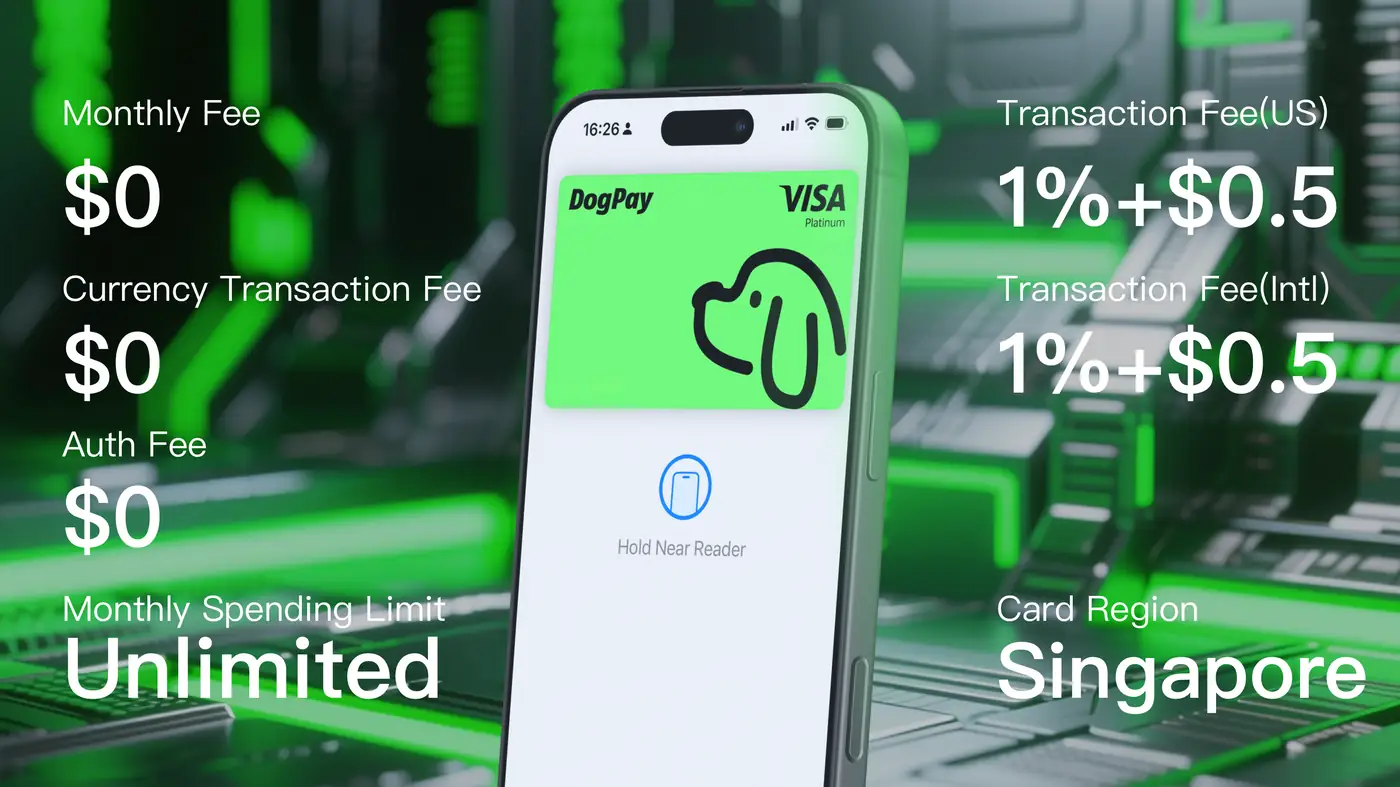
Startups often juggle multiple payment needs: software subscriptions, marketing ads, travel, and contractor payouts. Issuing physical cards to every team member adds friction and risk. DogPay virtual cards offer a practical alternative. A finance lead can create a dedicated virtual card for each recurring service or project, set spending limits, and share the card details with the relevant teammate. Because each card is isolated, a compromised card or overspend affects only that specific allocation, not the entire company balance. DogPay also supports stablecoin settlement, which can speed up funding of cards and reduce dependency on slow bank rails. In practice, startups can use virtual cards for ad accounts, cloud hosting, or vendor payments, while tracking transactions in real time through the DogPay dashboard. This visibility helps finance teams reconcile expenses and spot unusual activity early. DogPay focuses on wallet and payment infrastructure, so businesses can manage funds and cards in one place. While DogPay does not guarantee approval or acceptance at every merchant, virtual cards generally work anywhere standard card payments are accepted. For startups aiming to keep spend controlled and operations lean, DogPay provides the tools to issue, manage, and monitor cards without a complex banking setup. DogPay can help startups transition to a more flexible payment workflow, combining dedicated cards with global account capabilities and stablecoin settlement to support business spend.