
How Can Businesses Use DogPay for Virtual Cards? Real Workflows Explained
 DogPayCard Editorial
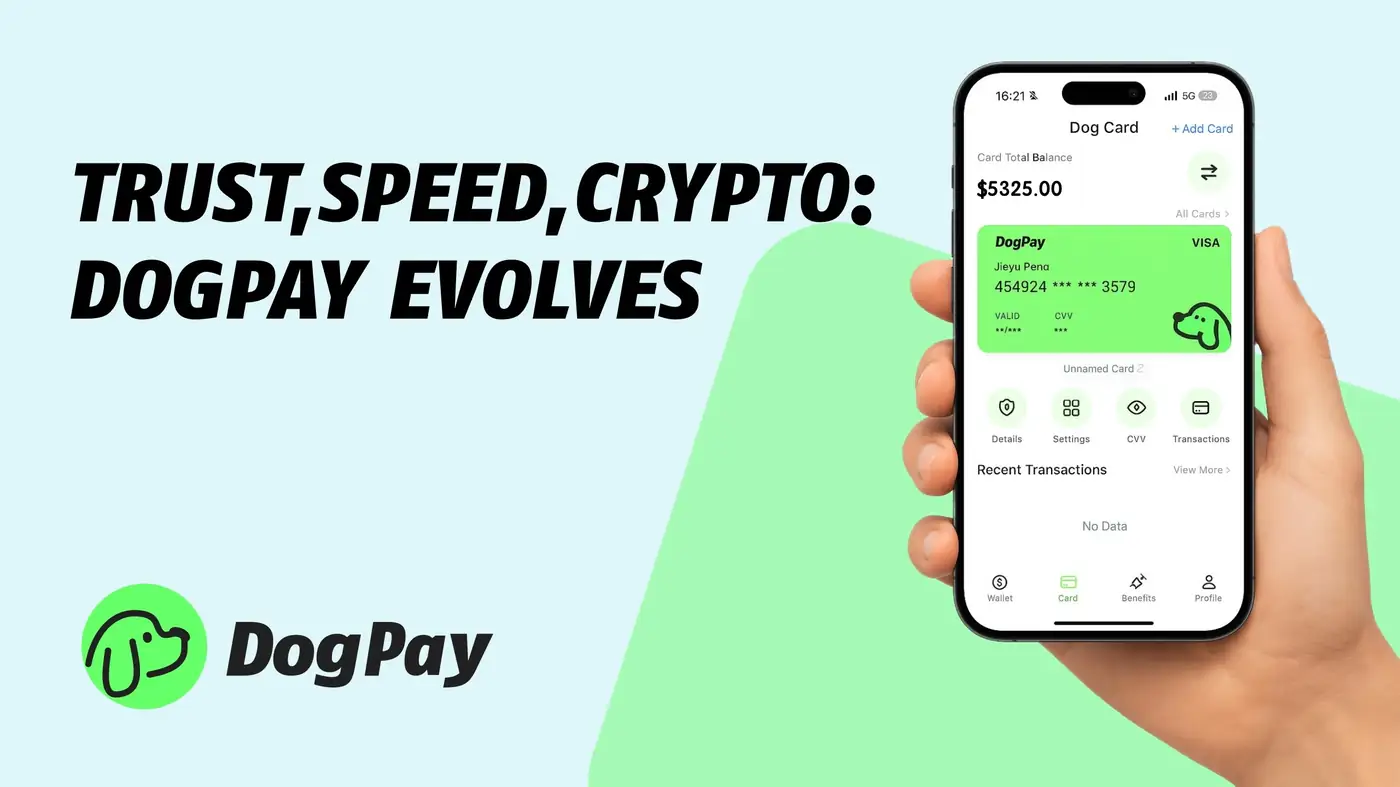
Businesses often ask how they can use DogPay for virtual cards in day-to-day payment operations. The short answer: DogPay can support dedicated virtual cards connected to global accounts and wallet or payment infrastructure, so teams can route different spend types to separate cards.
A common approach is to issue a card per vendor or subscription. That keeps software and AI tool charges apart from ad spend or contractor payouts. Finance teams can review card-level activity, which may improve spend visibility compared with a shared corporate card.
For cross-border needs, DogPay can help with global accounts and stablecoin settlement where supported. This can be useful when a vendor expects a different currency or when settlement timing matters. Card controls and account structure can help teams set clearer boundaries around who spends what.
DogPay is not a guarantee of approval or merchant acceptance, and card performance depends on the issuer, network, and merchant rules. Businesses should treat virtual cards as one part of a broader payment operations setup, alongside reconciliation and approval workflows.
How DogPay fits: DogPay provides virtual cards, global accounts, stablecoin settlement, and wallet or payment infrastructure that can help businesses organize spend, improve visibility, and manage payment operations across teams and borders.