
DogPay Prepaid vs Virtual Card: Which Should Your Business Use?
 DogPayCard Editorial
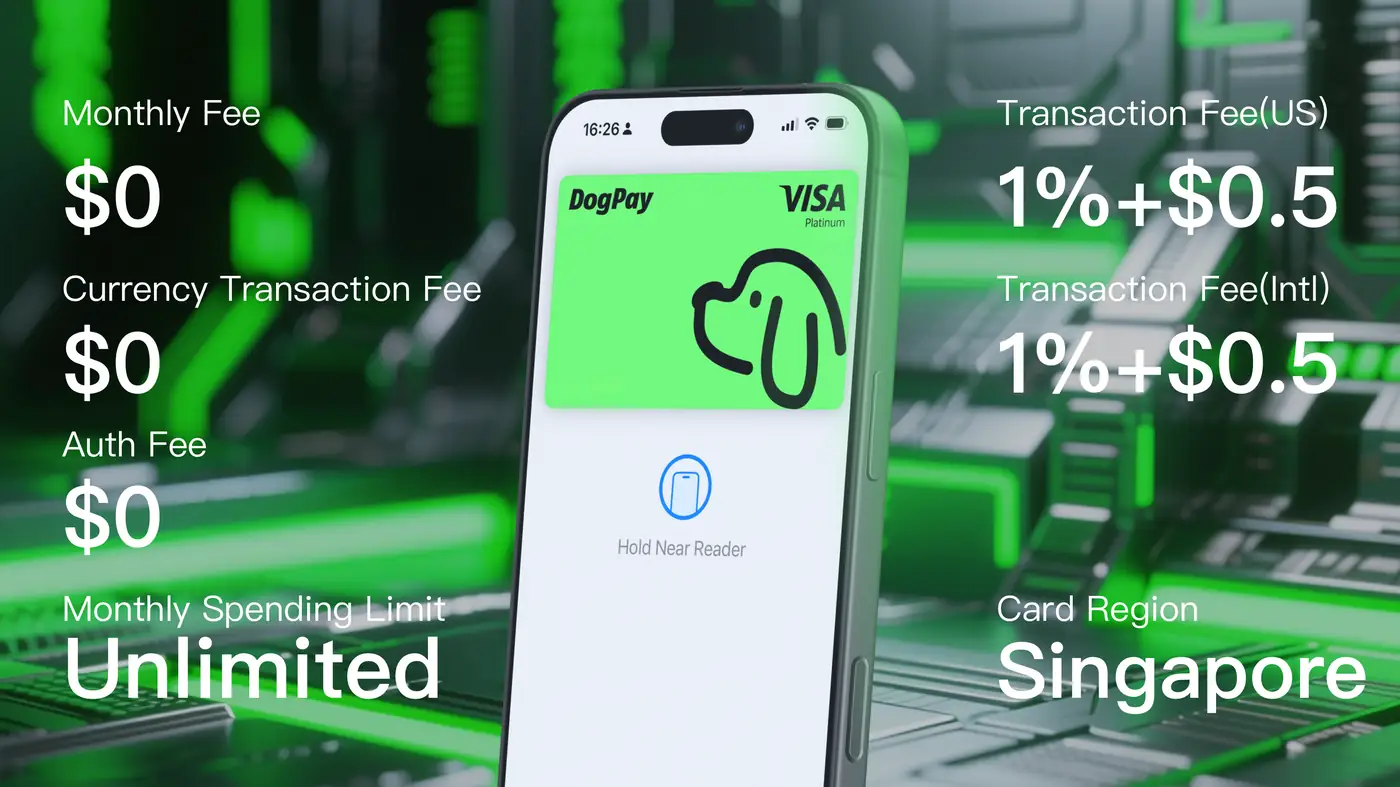
When deciding between a DogPay prepaid card and a virtual card, consider your spending scenario and control needs. Both options support business spend, but each fits different workflows.
Prepaid cards work well when you want to load a fixed amount for a specific purpose, like team travel or one-off vendor payments. They can help contain budgets because the available balance is limited to what you add. Prepaid cards may also suit offline or in-person purchases where a physical card is needed.
Virtual cards are often better for online transactions, subscriptions, and repeat payments. Each virtual card can be assigned to a specific vendor or project, which helps with tracking and reconciliation. They can also be generated quickly for one-time or single-use payments, reducing the risk of card number misuse.
Businesses often use virtual cards for digital advertising, SaaS subscriptions, and cloud services. If you need to manage several online payments without issuing physical cards, virtual cards offer faster setup and easier control. For expenses that require a physical presence, prepaid cards might be more practical.
DogPay offers both options within a single platform. You can use virtual cards for everyday digital spend and prepaid cards for physical or occasional needs. This flexibility helps you match the right card type to each expense category. DogPay can help streamline payment operations with dedicated cards, global accounts, and stablecoin settlement, giving your finance team improved visibility and control over spending.