DogPayCard
For businesses paying overseas vendors, contractors, or SaaS providers, international payments often come with friction: high fees, slow transfers, and currency conversion headaches. A USD virtual card can simplify this process, and DogPay offers a practical solution for companies looking to streamline cross-border spend.
DogPay lets you create dedicated virtual cards linked to your global account. Instead of using a single corporate card for everything, you can issue individual cards for specific vendors or projects. This gives you clearer spend visibility and control, helping you manage budgets more effectively.
With stablecoin settlement, DogPay can speed up funding of your account and card transactions. You can top up using supported stablecoins, and the system converts to USD for card payments. This approach can reduce reliance on traditional banking rails and may lower cross-border transaction costs.
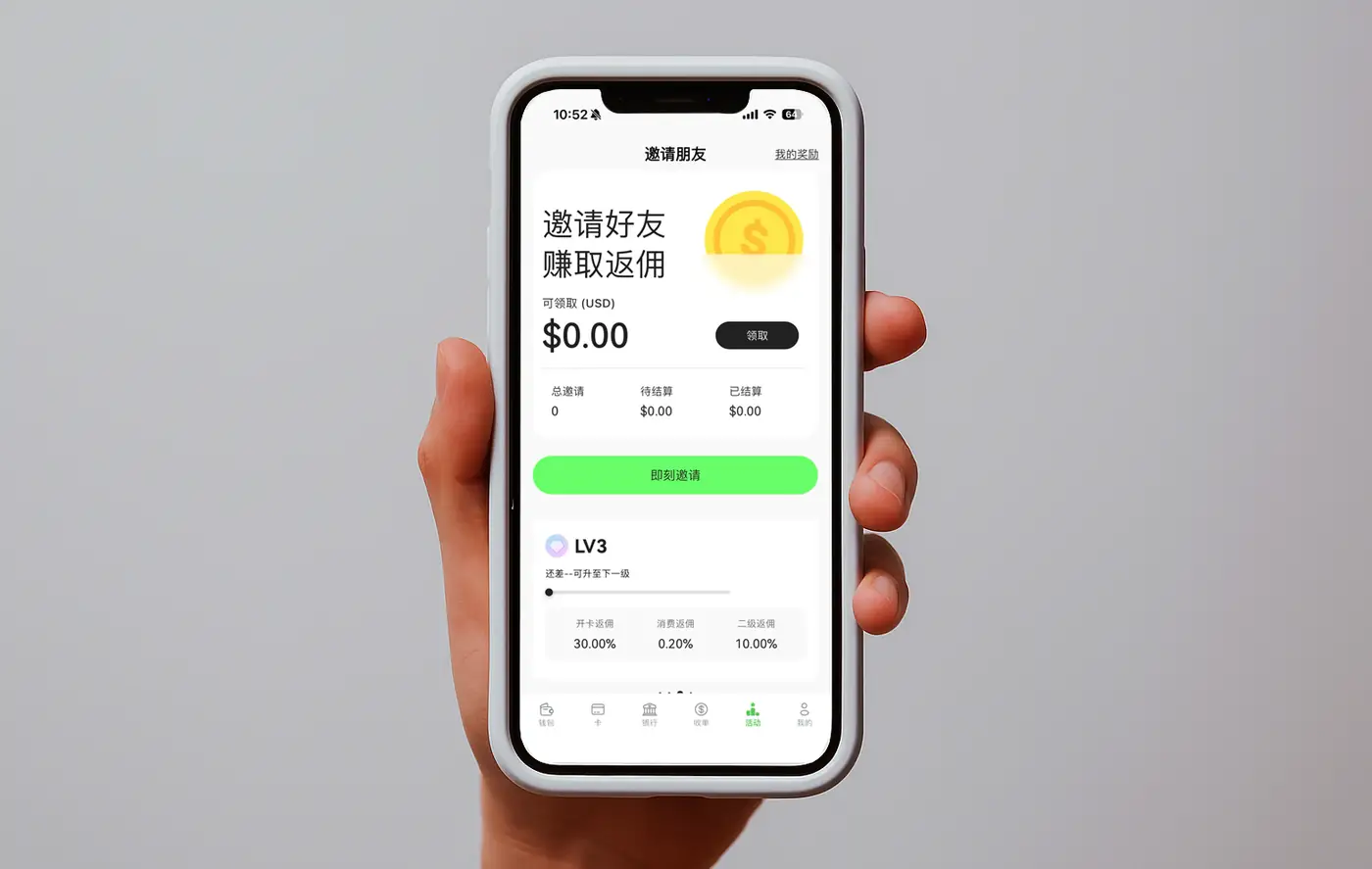
DogPay also provides wallet and payment infrastructure that helps you manage card issuance, track expenses, and reconcile payments. You can set spending limits and freeze or close cards when needed, which adds a layer of security for recurring payments to new or untrusted suppliers.
While DogPay doesn't guarantee acceptance everywhere or eliminate all payment failures, it offers a flexible framework for international payments. By combining virtual cards, global accounts, and stablecoin settlement, businesses can gain more control and efficiency in their global spend.
DogPay fits into your payment workflow by offering a digital platform where you can manage cards, funds, and transactions in one place. Whether you're paying a freelance developer in Europe or a cloud service in Asia, DogPay can help you handle international payments with greater transparency and operational ease.