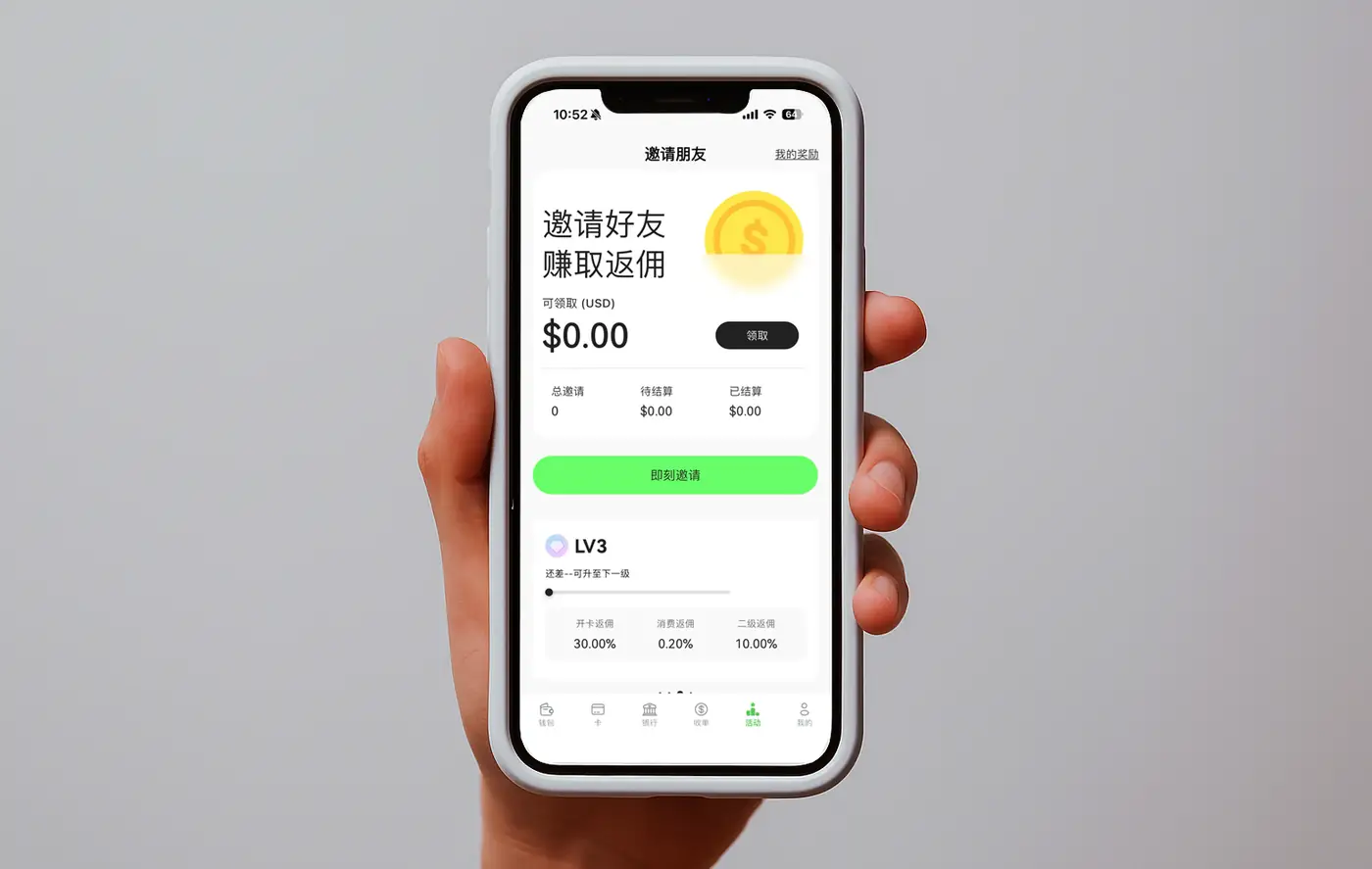
DogPayCard
Many businesses hold USDT but need a practical way to spend it on everyday services like software subscriptions, ad platforms, or contractor payments. Virtual cards offer a bridge: they provide card details that work almost anywhere online, while the underlying balance is settled in stablecoins.
With DogPay, a business can move USDT from its wallet into a dedicated virtual card or a global account linked to cards. The process typically involves creating an account, verifying the business (KYC/KYB), funding the balance with USDT, and then issuing virtual cards for team members or specific projects. Each card can have its own spending limits and purpose, which helps with tracking and controlling expenses.
One key advantage is the speed of stablecoin settlement. Instead of waiting for traditional bank transfers, USDT transactions can be processed quickly, allowing businesses to act faster on opportunities. Additionally, using virtual cards reduces the need to share primary bank details or expose the main treasury account to online merchants.
For global SaaS companies, this setup supports spending on cloud services, advertising, and development tools across borders without the friction of currency conversion and high cross-border fees. DogPay provides wallet and payment infrastructure, spend visibility, and operational tools to manage stablecoin-based payments. It is important to note that while DogPay can help with dedicated cards and stablecoin settlement, actual card acceptance depends on the merchant and the card network. Businesses should also verify that their use case complies with applicable regulations and DogPay's policies.
In summary, DogPay fits into the payment workflow as a platform that enables USDT to virtual card spending, offering a practical way to manage global business expenses with stablecoins.