DogPayCard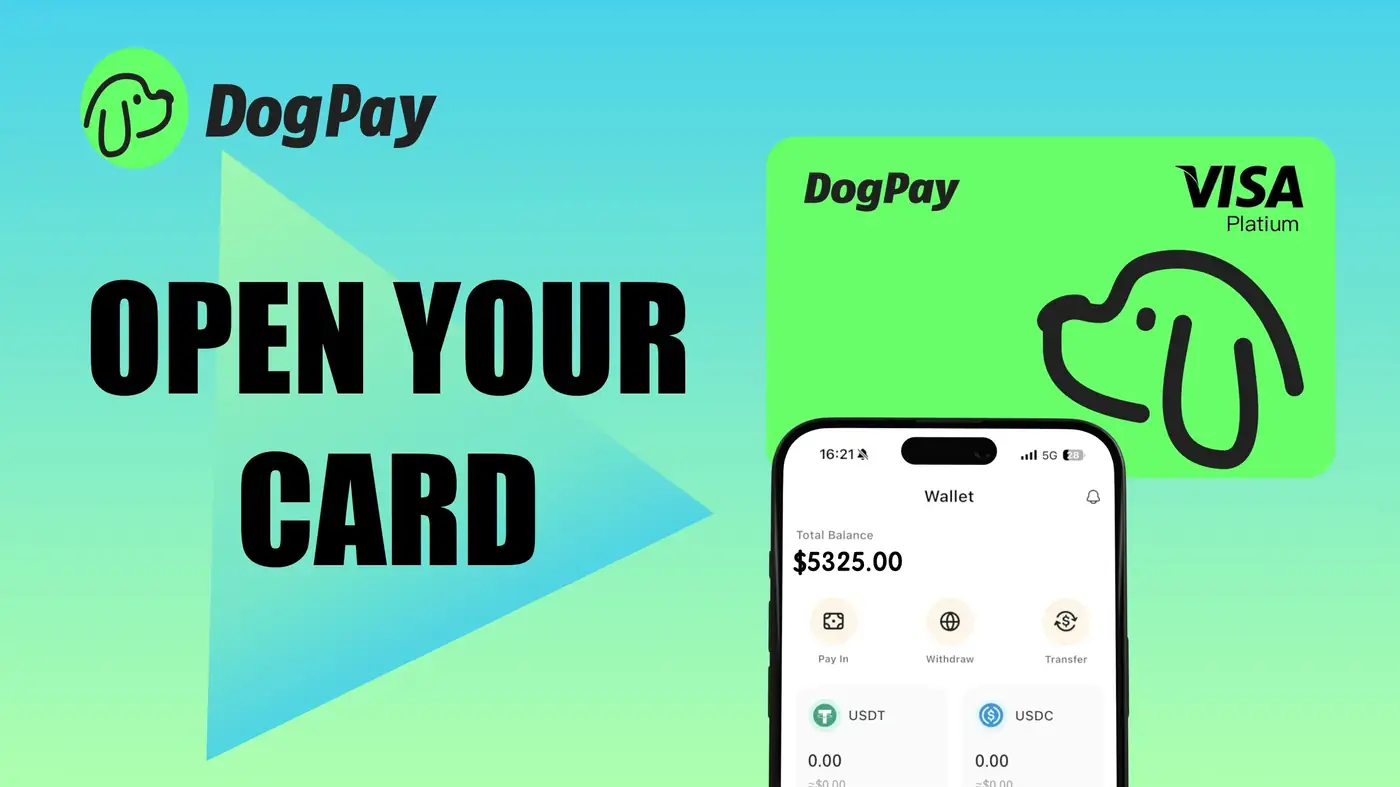
Ecommerce businesses often face payment stack challenges: slow cross-border supplier payouts, high transaction fees, and limited spend control. DogPay offers a practical alternative by combining virtual cards, global accounts, and stablecoin settlement.
DogPay virtual cards can be created instantly for specific suppliers or marketing platforms. Each card can have custom spending limits and be frozen or closed at any time, giving businesses granular control. For suppliers that accept USDC or USDT, stablecoin settlement near-instantly at low cost, bypassing traditional banking delays and currency conversion markups.
Global accounts allow businesses to hold, send, and receive funds in multiple currencies via both fiat rails and on-chain. This makes it easier to pay international suppliers without separate banking relationships.
DogPay provides real-time transaction data and dashboards for spend visibility. CFOs can monitor payment flows per team, project, or supplier without manual reconciliation.
A typical workflow: A business loads DogPay wallet with USDC, then either sends stablecoins directly to a supplier’s wallet or uses a virtual card for SaaS subscriptions or advertising. For suppliers needing fiat, DogPay can convert stablecoins to local currency before settlement.
DogPay fits into an ecommerce payment stack as a payments infrastructure layer for payouts and spend management. It does not replace payment gateways like Stripe for customer checkout but complements them by handling the B2B side of payments. By using DogPay, ecommerce businesses can reduce settlement times, lower costs, and maintain better budget control.