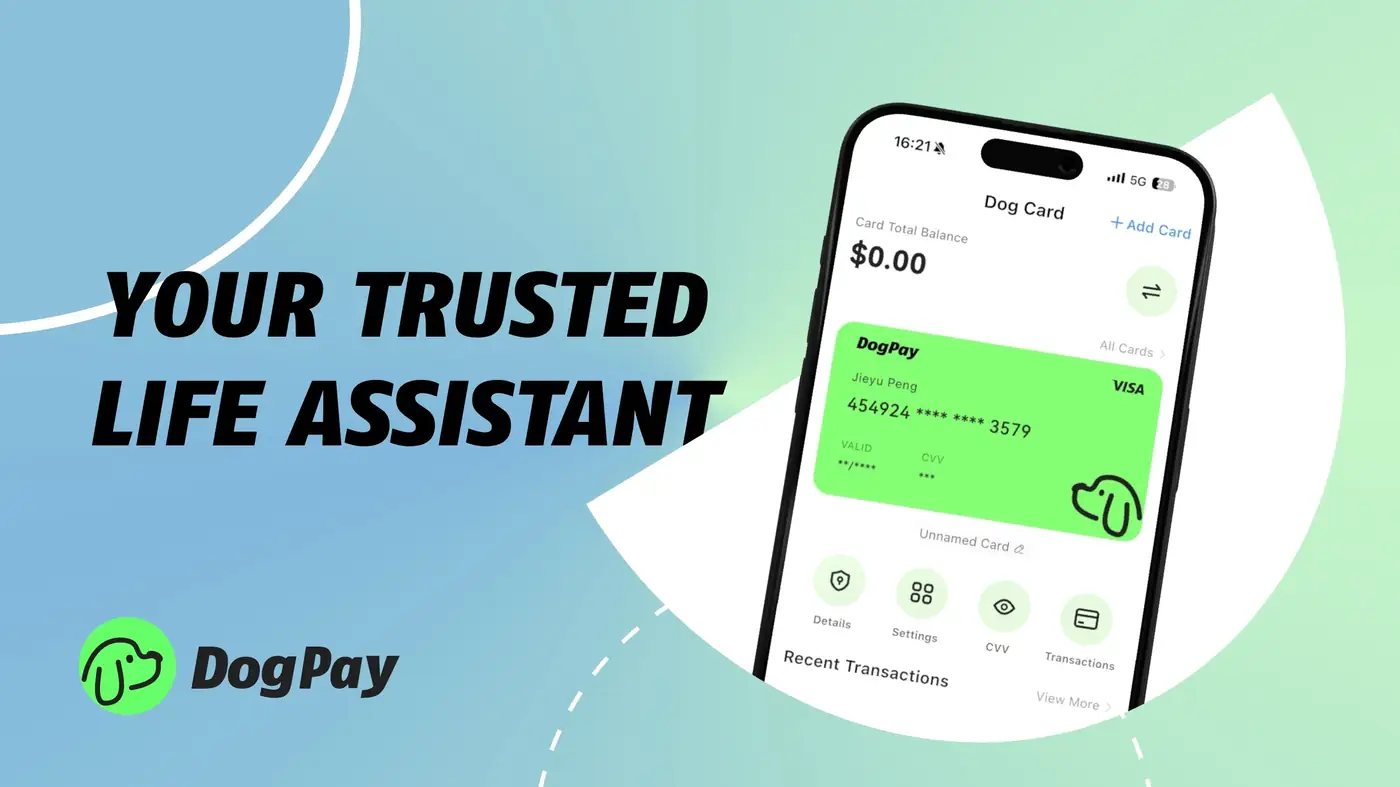
Many businesses face card declines when trying to pay international merchants. Reasons include strict bank fraud filters, mismatched billing addresses, currency conversion issues, and limited card network acceptance abroad. These declines can delay payments, frustrate suppliers, and harm business relationships. DogPay virtual cards offer a practical solution. Each card can be set with a specific spending limit and merchant category, reducing the chance of false declines. Since DogPay operates on stablecoin settlement and global account infrastructure, funds can be held in multiple currencies and converted at competitive rates, avoiding traditional bank friction. Virtual cards can be generated instantly for each vendor, with unique card details that match the transaction context. This flexibility helps businesses route payments through networks with higher acceptance. While DogPay cannot guarantee zero declines, it provides more control over payment parameters. Businesses also gain spend visibility through real-time transaction logs, making it easier to resolve issues quickly. For international payments, DogPay supports approved merchants and can help reduce the common causes of decline. By using dedicated virtual cards per vendor and leveraging stablecoin rails, businesses can improve payment success rates. DogPay fits into the payment workflow as a virtual card issuer and wallet infrastructure provider. It offers businesses the ability to create multiple virtual cards, fund them via stablecoins or fiat, and manage spend through a dashboard. This setup is particularly useful for companies paying contractors, SaaS platforms, or ad networks abroad. While not a guaranteed fix, DogPay cards are designed to minimize decline triggers and give businesses more control over their international payment operations.
Virtual Cards / 5 min read
Why Do Business Cards Get Declined Internationally & How DogPay Virtual Cards Help
Discover why international merchant card declines happen and how DogPay virtual cards can help businesses pay global vendors with better routing and stablecoin settlement.

DogPayCard Editorial