
How Can Businesses Use DogPay Virtual Cards for Multi-Team Spend?
 DogPayCard Editorial
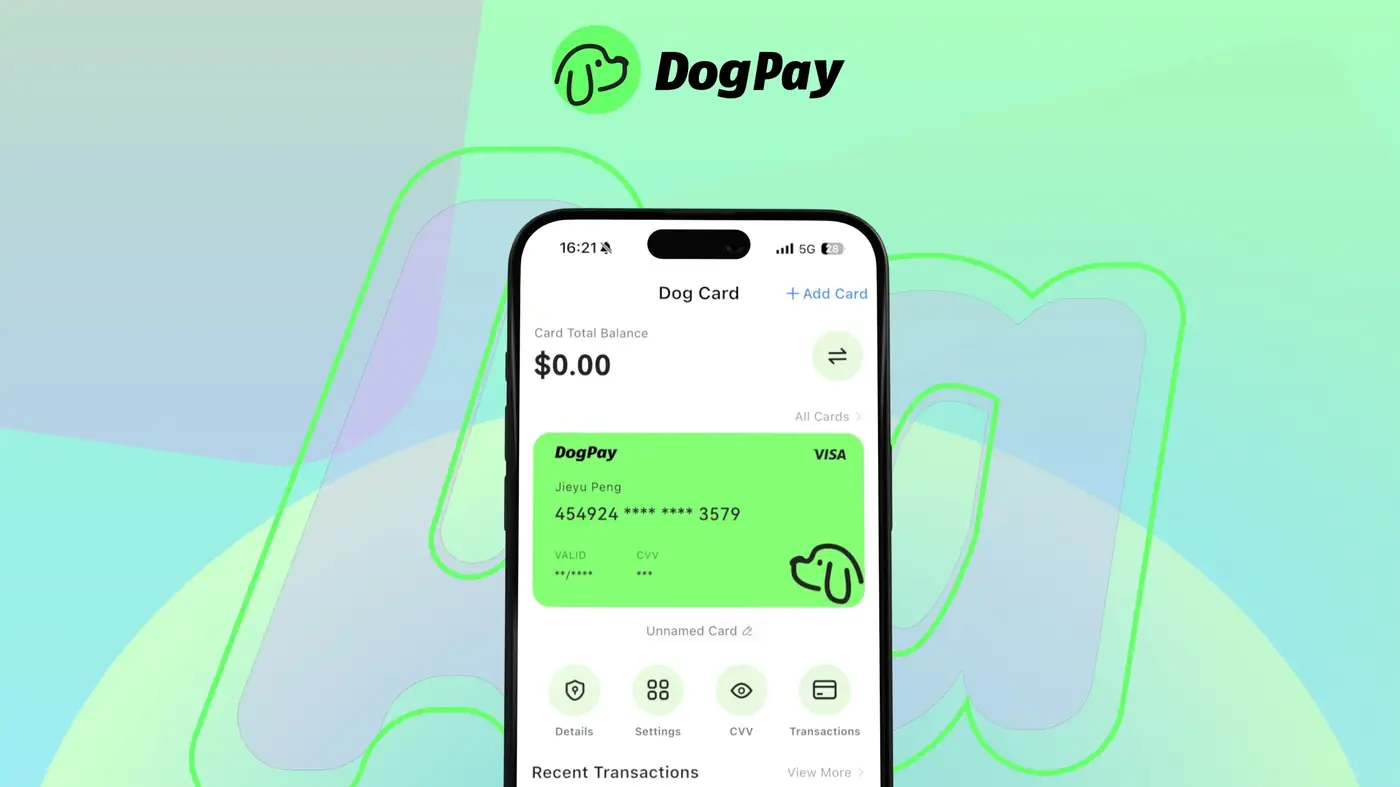
Businesses often need more than one payment method. A single shared card can blur ownership, hide where money goes, and make reconciliation harder. DogPay virtual cards can help teams create dedicated card details for specific budgets, vendors, departments, or subscription categories. Each card can be issued for a defined purpose, so spend stays easier to review and manage.
A common approach is to assign virtual cards to recurring software, ad platforms, or vendor accounts. Instead of using one corporate card everywhere, finance teams can separate charges by team or project. This makes it easier to spot unused subscriptions, compare actual spend against budget, and understand which card belongs to which workflow.
DogPay can also support global payment operations through global accounts, stablecoin settlement, and wallet or payment infrastructure. For cross-border teams, that can mean more flexible funding paths and clearer visibility into card activity. Businesses can keep operational funds in a structure that fits their workflow while using virtual cards for day-to-day payment needs.
Spend visibility matters. Virtual cards can be paired with internal rules, such as spending limits or card ownership, so managers know who is responsible for each charge. When a subscription changes or a vendor relationship ends, the related card can be reviewed or closed without disrupting other payments.
DogPay fits into this workflow as a payment operations layer for businesses that want dedicated virtual cards, global account support, stablecoin settlement, and clearer spend oversight. It is not a guarantee of approval or acceptance, but it can help teams organize payments, separate budgets, and maintain more control over how funds move across vendors and teams.