 DogPayCard
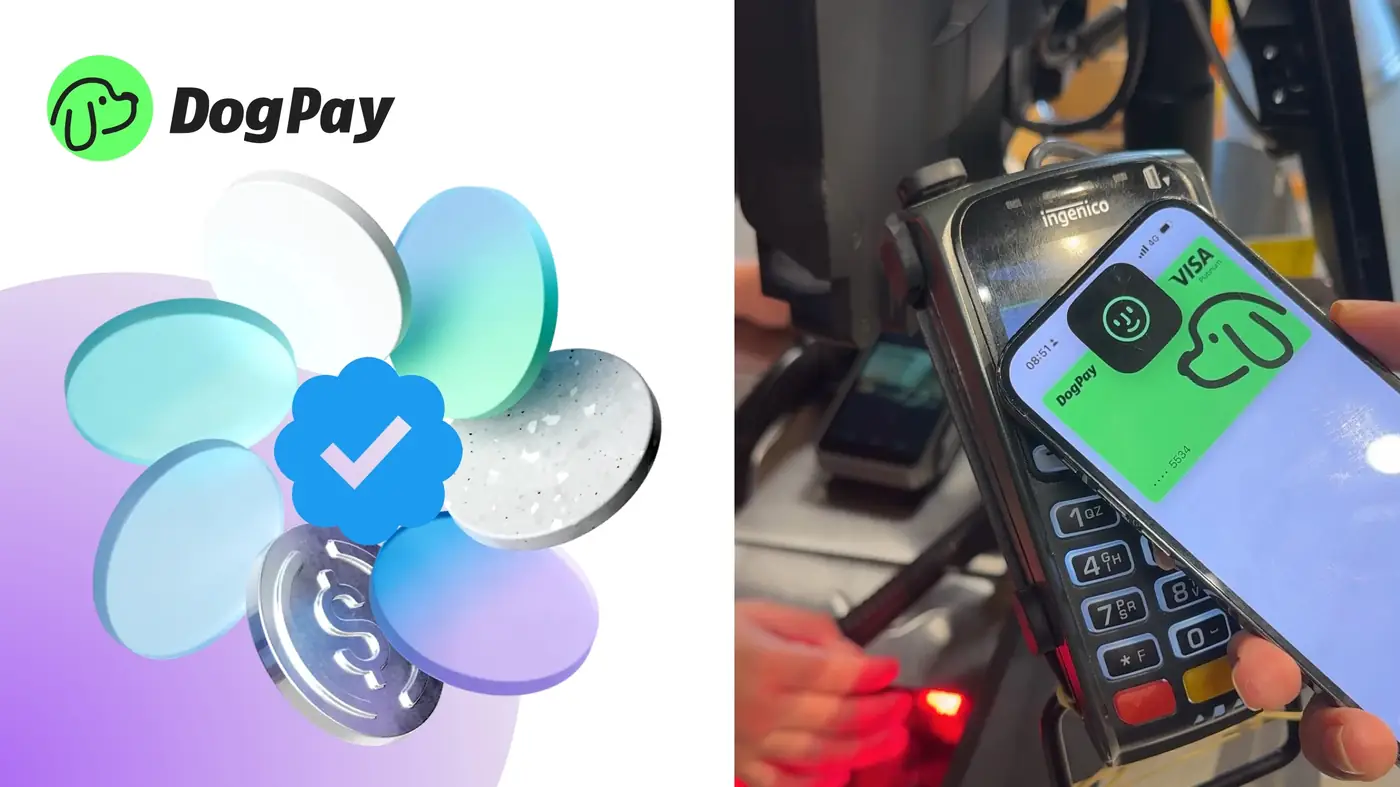
Before using stablecoin settlement services, an eligible business should verify who provides each service, what legal and regulatory status that provider holds, and how funds, records and disputes are handled. It should also confirm in writing which party is the financial institution, which is the technical platform, and which is an affiliate-provided virtual-asset service.
This checklist is written for finance, treasury and compliance teams evaluating stablecoin settlement. It separates questions you can answer from public documents from questions that must be confirmed directly with the relevant financial institution or service provider. Nothing here guarantees approval, availability, cost, speed or coverage.
1. Map every party in the arrangement before anything else Start by naming each entity and its role. A digital finance and payment infrastructure platform is not the financial institution that provides a business account. For example, DogPay is a digital finance and payment infrastructure platform, not the financial institution that provides a business account. The relevant financial institution provides and independently approves each account, and its opening documents determine account type, holder and terms. Copy-ready fields to record for each party: Legal entity name and registration number Role: financial institution, platform, or affiliate-provided virtual-asset service Regulatory status and licence references, as stated by that party Contract or terms document that governs the relationship Named contact for compliance and for operational escalations Where a role is unclear, treat it as unconfirmed until the provider states it in writing.
2. Confirm eligibility, jurisdiction and product scope Eligibility is decided by the provider, not by the applicant. USD and supported stablecoin conversion or settlement and crypto payment gateway services are provided by DogPay affiliates to eligible customers, subject to provider terms, applicable law and geographical availability. Actual currencies, payment rails and functions depend on the institution, account, product and jurisdiction. Verify: which entity contracts with you; which jurisdictions are served; which stablecoins and currencies are supported; which settlement rails apply; and whether any feature depends on a separate account approval. Ask for the current terms rather than relying on marketing pages.
3. Test the control environment against your own obligations Your business remains responsible for its own anti-money-laundering and sanctions obligations. The FATF guidance on a risk-based approach to virtual assets and virtual asset service providers is a useful reference for structuring questions about customer due diligence, transaction monitoring and recordkeeping. Use it to frame questions, not as evidence about any specific provider. Ask each provider to describe: onboarding and periodic review requirements; sanctions and screening approach; how suspicious activity is escalated; who can freeze or reverse a transaction and on what authority; and what audit or assurance reports exist. Request the answers in writing and keep them with your vendor file.
4. Reconcile the money flow and the record flow Settlement is only usable if your ledger can follow it. Confirm what transaction records, statements, reconciliation files and reporting are available, in what format, and on what schedule. For account-based services, available features after approval may include international collections, cross-border payments, currency management, transaction records, reconciliation and reporting, but the actual set depends on the institution, account, product and jurisdiction. Checklist rows to complete with the provider: Reference data carried on each payment and whether it reaches your ledger Statement and report formats, fields and delivery timing Treatment of conversions, fees and rounding in records How corrections, returns and failed settlements are reported
5. Stress-test limits, exceptions and exit Ask what happens when something goes wrong. Confirm how disputes, failed settlements, chain or network congestion, and counterparty errors are handled, and who bears the loss in each case. Confirm any limits on volume, value or counterparties, and whether limits can change. Also confirm exit terms: notice periods, how balances are returned, how long records remain accessible, and what happens if a provider or affiliate changes its terms or withdraws a service in your jurisdiction. No account approval, payment acceptance, fee, exchange rate, speed, coverage or business outcome is guaranteed, so plan for change.
6. Document the decision Close the review with a signed summary recording what was verified, what remains open, and who owns each open item. Re-review on a fixed cycle and whenever a provider changes terms, ownership or jurisdiction. If any item cannot be confirmed, record it as a limitation rather than an assumption.
FAQ Is the platform the same as the financial institution? No. A platform such as DogPay provides digital finance and payment infrastructure and is not the financial institution that provides a business account. The institution approves accounts independently and its opening documents govern the account. Who provides stablecoin settlement? USD and supported stablecoin conversion or settlement and crypto payment gateway services are provided by DogPay affiliates to eligible customers, subject to provider terms, applicable law and geographical availability. Can I assume a specific currency, rail or feature is available? No. Actual currencies, payment rails and functions depend on the institution, account, product and jurisdiction. USD transfers may use ACH, SWIFT or Fedwire only where the relevant account and service arrangement support them. Does completing due diligence guarantee approval? No. Approval, acceptance, fees, exchange rates, speed, coverage and outcomes are not guaranteed and are decided by the relevant provider.
Source and verification note DogPay-specific statements in this article are drawn from the official product page at https://dogpay.com/hk/global-bank. The supporting reference used for framing risk questions is the FATF guidance on a risk-based approach to virtual assets and virtual asset service providers at https://www.fatf-gafi.org/en/publications/Fatfrecommendations/Guidance-rba-virtual-assets.html. No other sources were used, and no browsing beyond these references should be inferred. Verify current terms, eligibility and availability directly with the relevant financial institution or service provider.
Scope and limitations: this article is a general due-diligence framework, not legal, tax, regulatory or investment advice. It does not describe any specific licence, fee, settlement time, integration or geographic coverage, and it makes no claim that any business will be approved or that any service is available in a given market. Requirements differ by jurisdiction and change over time; confirm all specifics with the relevant financial institution or service provider before relying on them.