DogPayCard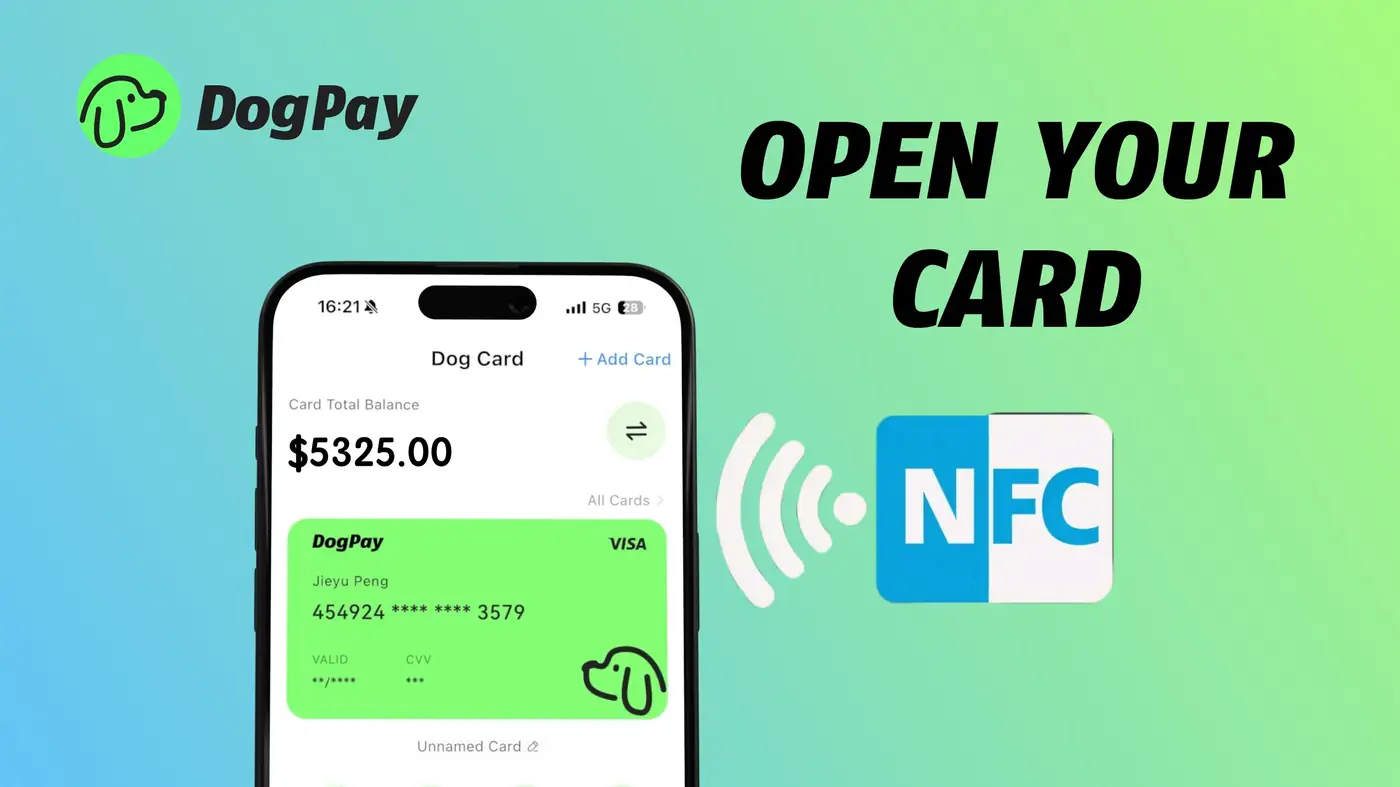
Cloud billing models like pay-as-you-go and monthly subscriptions are convenient for scaling infrastructure, but they introduce payment variability. Businesses often juggle multiple cloud providers—each with separate invoices, due dates, and currency requirements. A dedicated payment method for cloud billing can reduce friction and improve oversight.
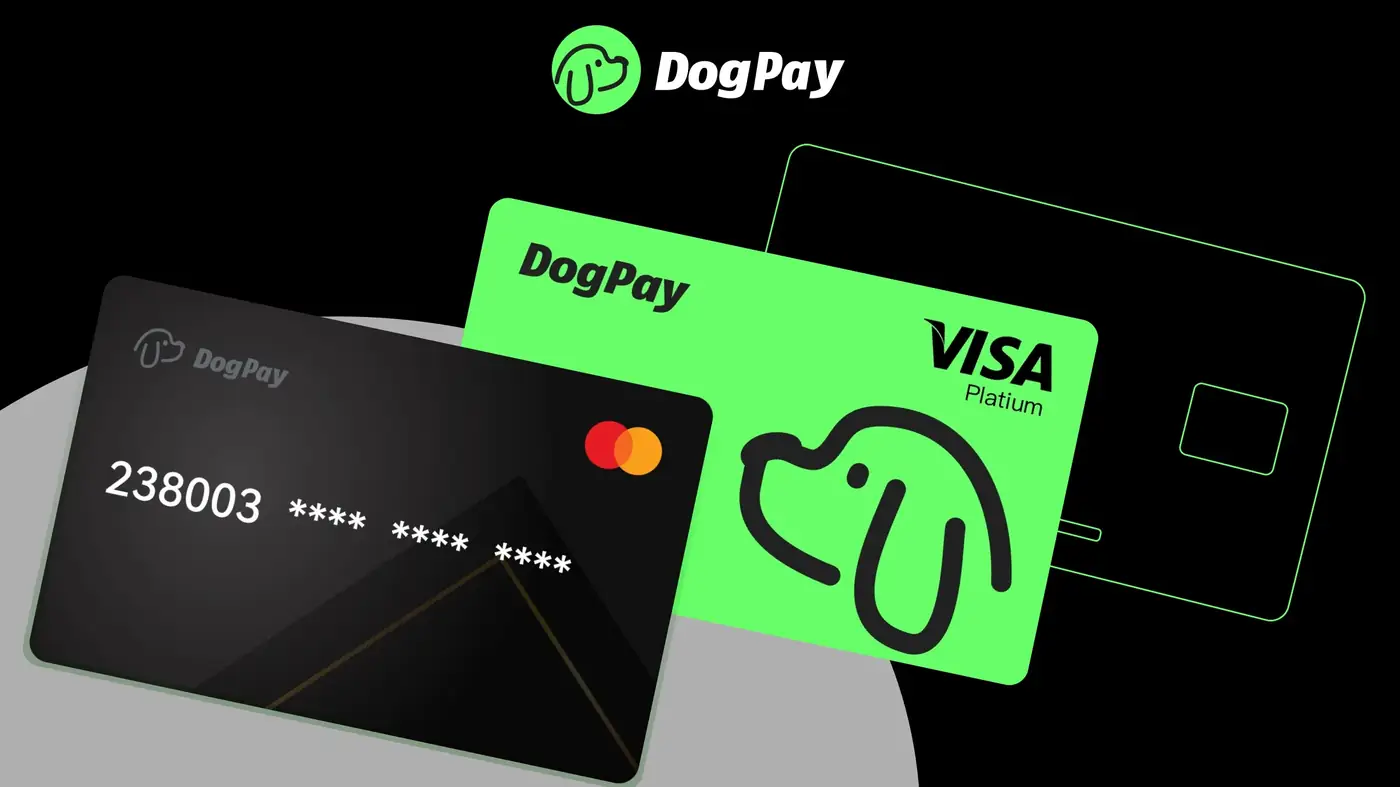
DogPay offers virtual cards and global accounts that can be used to pay for cloud services. Virtual cards let finance teams set specific spending limits per provider or per project, making it easier to track cloud spend in real time. Global accounts support transactions in multiple currencies, which helps when cloud vendors bill in USD, EUR, or other local currencies. For businesses using digital assets, DogPay’s stablecoin settlement option provides an alternative way to fund payments without converting fiat first.
By giving each cloud provider its own card, businesses can see exactly what each service costs and avoid mixing unrelated expenses. This visibility supports clearer budgeting and forecasting. If a card is compromised or no longer needed, it can be paused or closed quickly, reducing exposure.
DogPay integrates into the payment workflow through its wallet and payment infrastructure. Finance teams can add funds, issue cards, and monitor transactions from one dashboard. While DogPay does not guarantee that every cloud provider will accept its cards, it aims to support a wide range of online merchants. For businesses that need flexible, controllable payment methods for cloud billing, DogPay provides a practical option.
Always verify with your cloud provider that virtual card payments are accepted. DogPay works best as part of a broader payment strategy that includes clear internal policies and regular reconciliation.