
How Can Businesses Use DogPay for Corporate Card Payments in Practice?
 DogPayCard Editorial
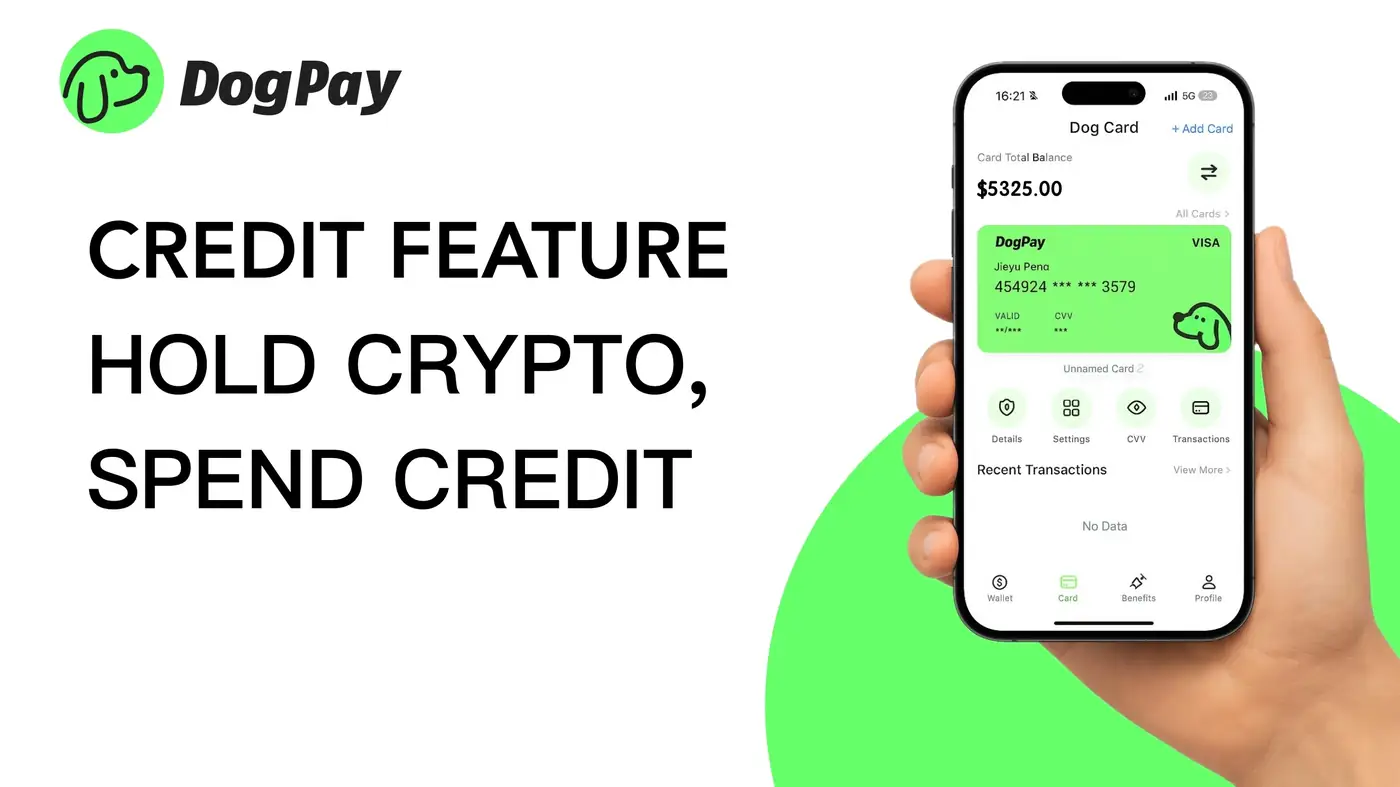
Corporate card payments often break down when teams need cards for software, ads, travel, or vendor bills but finance still lacks clear spend context. DogPay can help businesses structure corporate card payments through virtual cards, global accounts, and payment operations designed around practical controls.
A common starting point is issuing dedicated virtual cards for specific use cases. Instead of sharing one physical card across departments, a business can assign a virtual card to a vendor, subscription, or team. This can make it easier to review charges and map spending back to an owner. Cautious wording matters here: DogPay can help with dedicated cards and spend visibility, but approval and acceptance depend on the provider and merchant.
Businesses can also use DogPay global accounts and wallet/payment infrastructure to support cross-border payment flows. For companies working with stablecoin settlement, DogPay can fit into a workflow where funds are held, converted, or settled according to the business's operational model. This is not a guarantee of success or acceptance, but it can reduce some friction in payment operations.
A practical setup usually follows a simple cycle: define the spend owner, issue or assign a card, set a clear purpose, monitor transactions, and reconcile activity against internal records. DogPay can help with corporate card payments by keeping cards, accounts, and payment operations in one place rather than spreading them across disconnected tools.
For teams, the value is not only speed. It is having a repeatable way to manage vendor payments, SaaS spend, ad accounts, and global payouts. DogPay fits the payment workflow by supporting dedicated cards, global accounts, stablecoin settlement, and spend visibility so finance and operations can work from the same payment infrastructure.