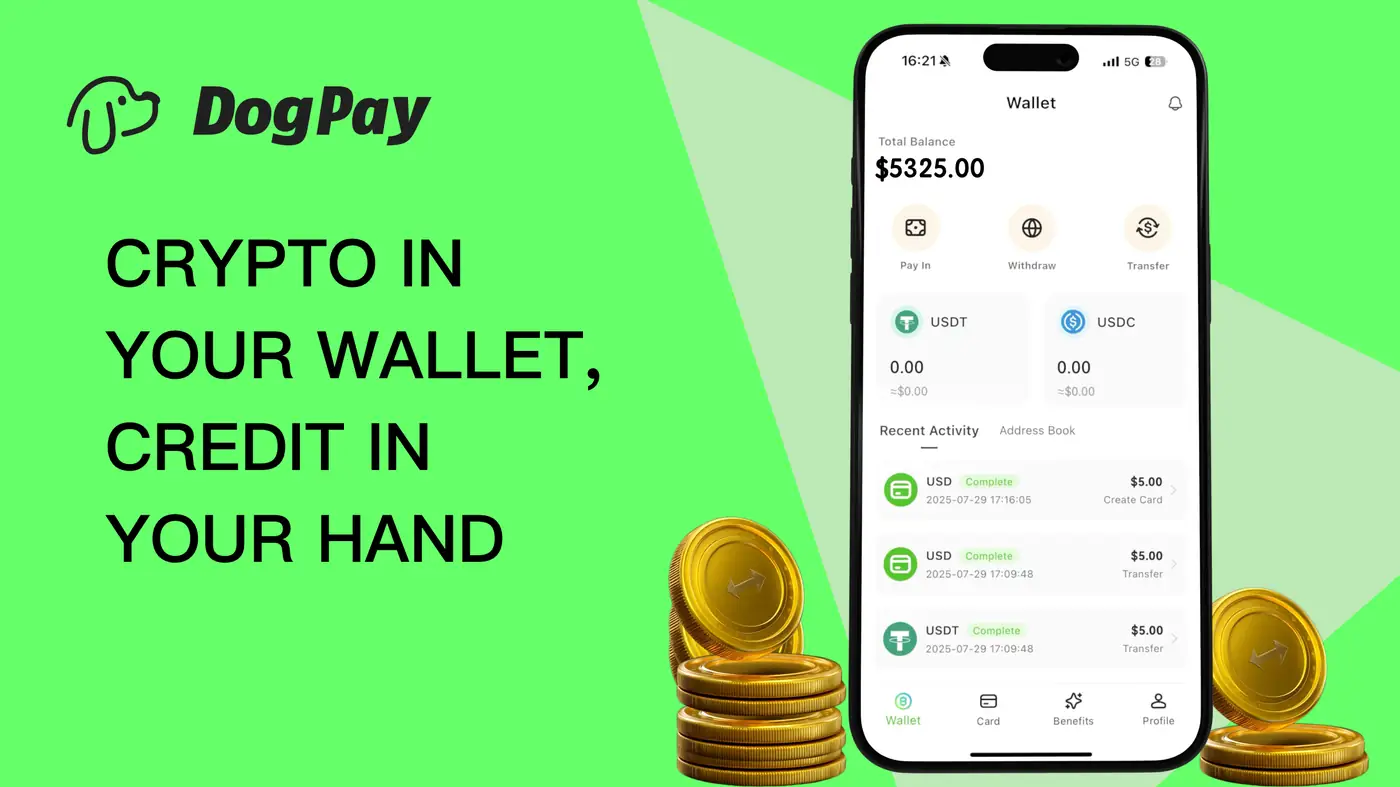
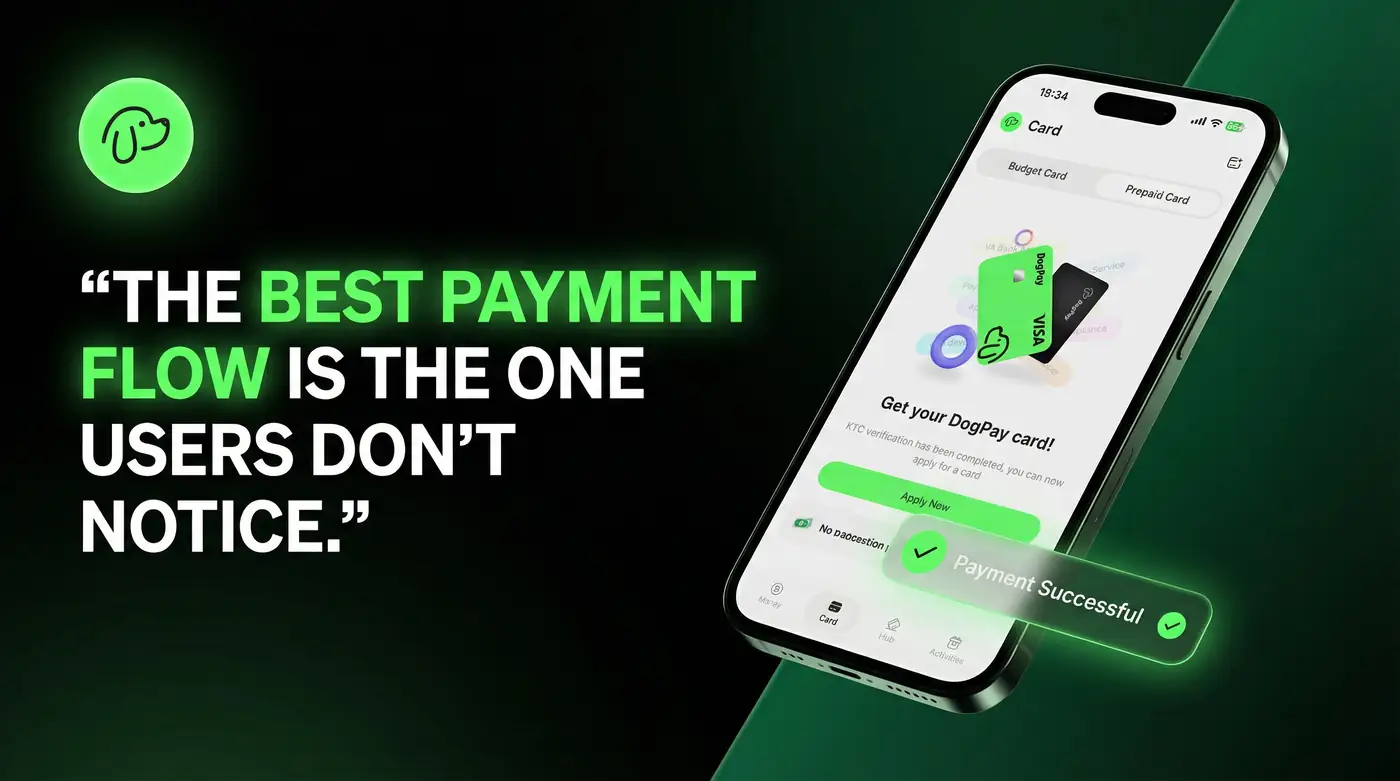
Businesses often face delays and high costs when paying international suppliers. DogPay offers a practical solution using virtual cards and stablecoin settlement. Here is a typical workflow: First, you fund your DogPay global account via bank transfer or crypto. Then, you issue a virtual card with a specific limit and assign it to a supplier. The supplier receives a card number for payment. When the transaction settles, DogPay converts funds from USDC or USDT to fiat (if needed) and completes the payment. This approach reduces reliance on traditional banking networks and can speed up settlement. DogPay provides spend visibility through transaction logs and allows you to set per-card limits. For recurring supplier payments, you can create dedicated cards for each vendor. This helps maintain separation of expenses and simplifies reconciliation. DogPay supports multi-currency accounts, so you can hold and pay in different currencies. The platform offers wallet infrastructure that integrates with your existing payment operations. DogPay is not a bank and does not guarantee acceptance by all merchants, but its virtual cards are widely accepted where Visa/Mastercard are. By using stablecoins, businesses can avoid some currency conversion fees and delays. DogPay can help streamline supplier payments by providing dedicated virtual cards, global accounts, stablecoin settlement, and spend visibility. This allows businesses to manage payment operations more efficiently.
Ecommerce Tools / 5 min read
Paying Suppliers with DogPay: Virtual Cards & Stablecoins
Discover how businesses use DogPay virtual cards and stablecoins for secure, fast supplier payments. Learn the workflow and benefits for global B2B transactions.

DogPayCard Editorial