DogPayCard
Many businesses today hold USDT and need a practical way to spend it with merchants that accept traditional card payments. DogPay offers a workflow that can help bridge the gap between your stablecoin balance and everyday business expenses.
First, you need to understand the basics. DogPay provides virtual cards that are linked to your DogPay account. You can fund these cards with USDT, which is converted to the card's currency at the time of transaction. This allows you to pay for services like cloud hosting, advertising, software subscriptions, and other vendor bills without needing a traditional bank account.
To get started, you would create a DogPay account, complete the necessary verification, and then generate a virtual card. You can set spending limits and control where the card can be used. Once your card is ready, you can transfer USDT from your wallet or exchange to your DogPay balance, and then allocate funds to the virtual card.
The main advantage is that you can keep your business operations running smoothly even if you operate primarily in crypto. You avoid the delay of converting USDT to fiat and then moving it to a bank account. Instead, you use your stablecoin directly for card payments.
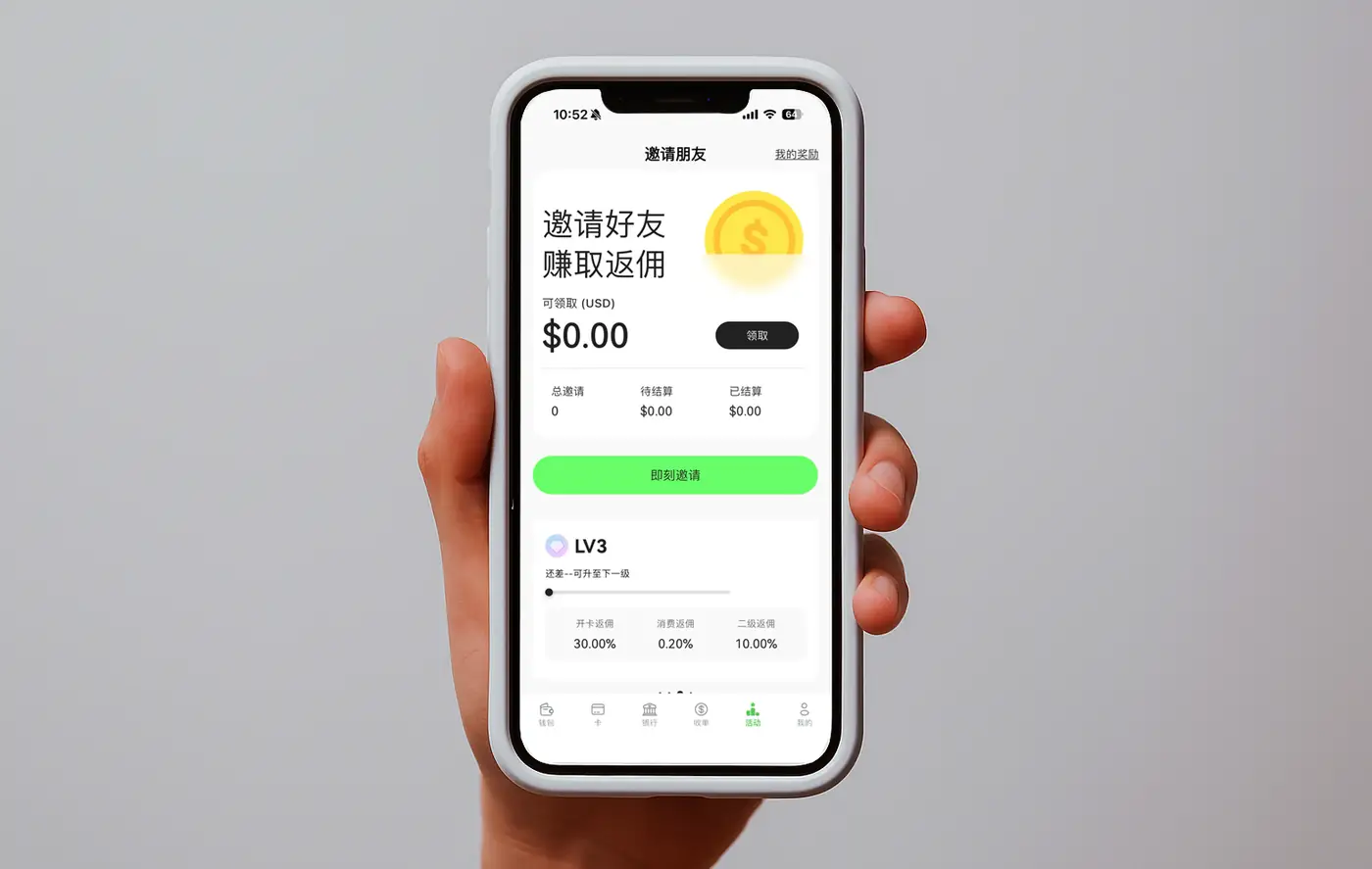
DogPay can help with dedicated cards for different teams or projects, giving you clearer visibility into spending. You can manage multiple cards within a single dashboard, making it easier to track expenses and reconcile them with your accounting.
It is important to note that DogPay does not guarantee that every merchant will accept the card, nor does it ensure that all transactions will succeed. However, for businesses that need a flexible way to spend USDT, DogPay provides a payment infrastructure that supports stablecoin settlement and virtual card issuance.
In summary, DogPay fits into your payment workflow as a bridge between your USDT holdings and the traditional card network. It offers a practical solution for businesses looking to use their crypto assets in day-to-day operations without relying on a bank.