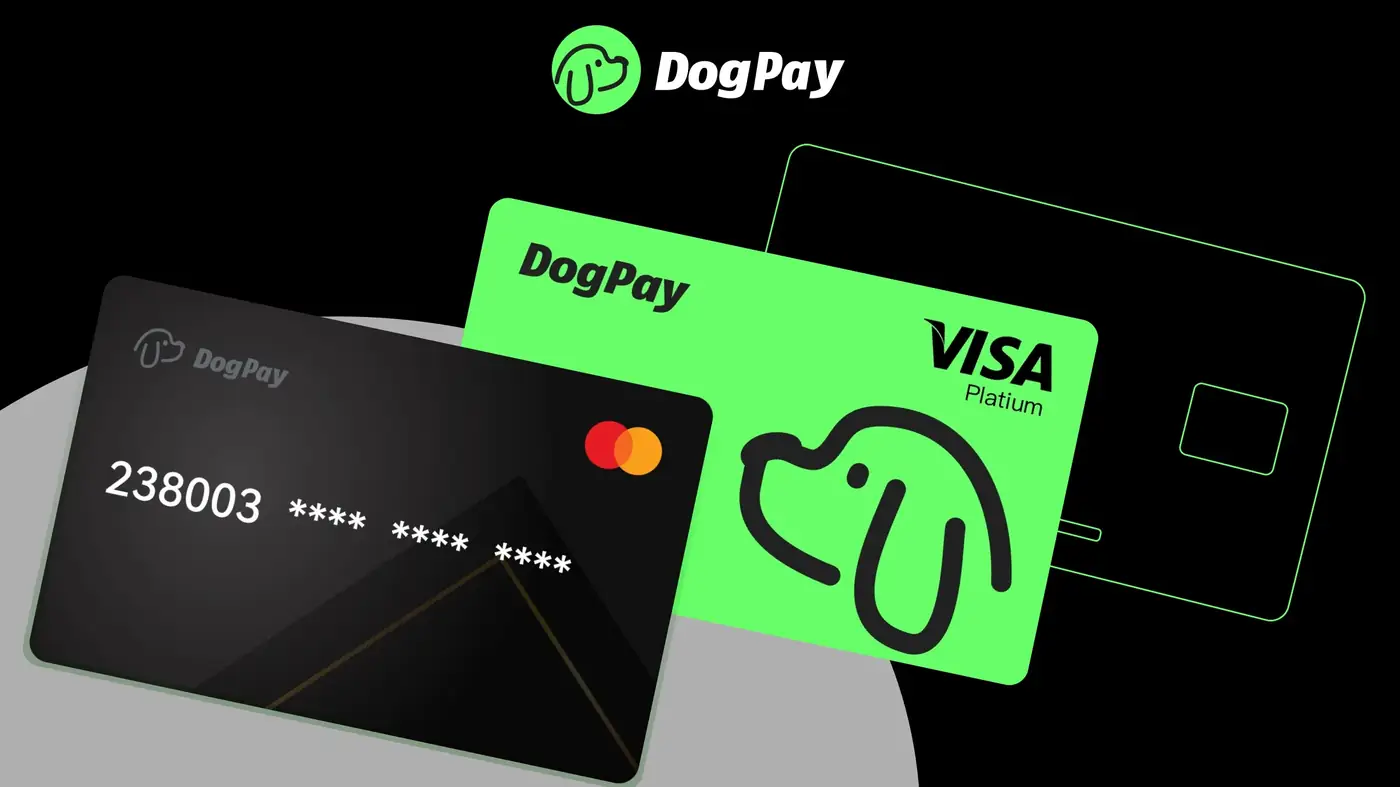
Cloud billing invoices from providers like AWS, Azure, or Google Cloud often require a reliable payment method that supports recurring charges. DogPay offers virtual cards and global account capabilities that can be used to pay these invoices. By setting up a virtual card with appropriate limits, you can route cloud payments through DogPay's infrastructure. This approach can help you keep cloud costs separate from other expenses, making tracking simpler. DogPay supports stablecoin settlement, which can be useful if you operate with crypto assets. It's important to note that card acceptance depends on the cloud provider and your card details. While DogPay can help streamline payments, there is no guarantee of approval for every transaction. The platform also provides wallet infrastructure and spend visibility tools, letting you monitor where funds go. To get started, fund your DogPay account, generate a virtual card, and add it as a payment method in your cloud billing portal. Always verify that the provider accepts virtual cards. DogPay is best used as part of a broader payment operations strategy, not as a guaranteed fix. For businesses that deal with multiple cloud subscriptions, DogPay can act as a central hub for managing those payments. With dedicated cards per vendor, you can track expenses more clearly and avoid mixing funds. Remember that while DogPay offers useful tools, you should maintain sufficient balance and check provider compatibility. Overall, DogPay fits into your cloud billing workflow by providing a flexible payment method and enhanced oversight.
Cloud Billing / 5 min read
Using DogPay for Cloud Billing Payments: A Practical Guide
Learn how to use DogPay for cloud billing payments. Virtual cards and stablecoin settlement can simplify vendor payments, with better spend visibility.

DogPayCard Editorial