
How Can Businesses Use DogPay for Business Virtual Cards?
 DogPayCard Editorial
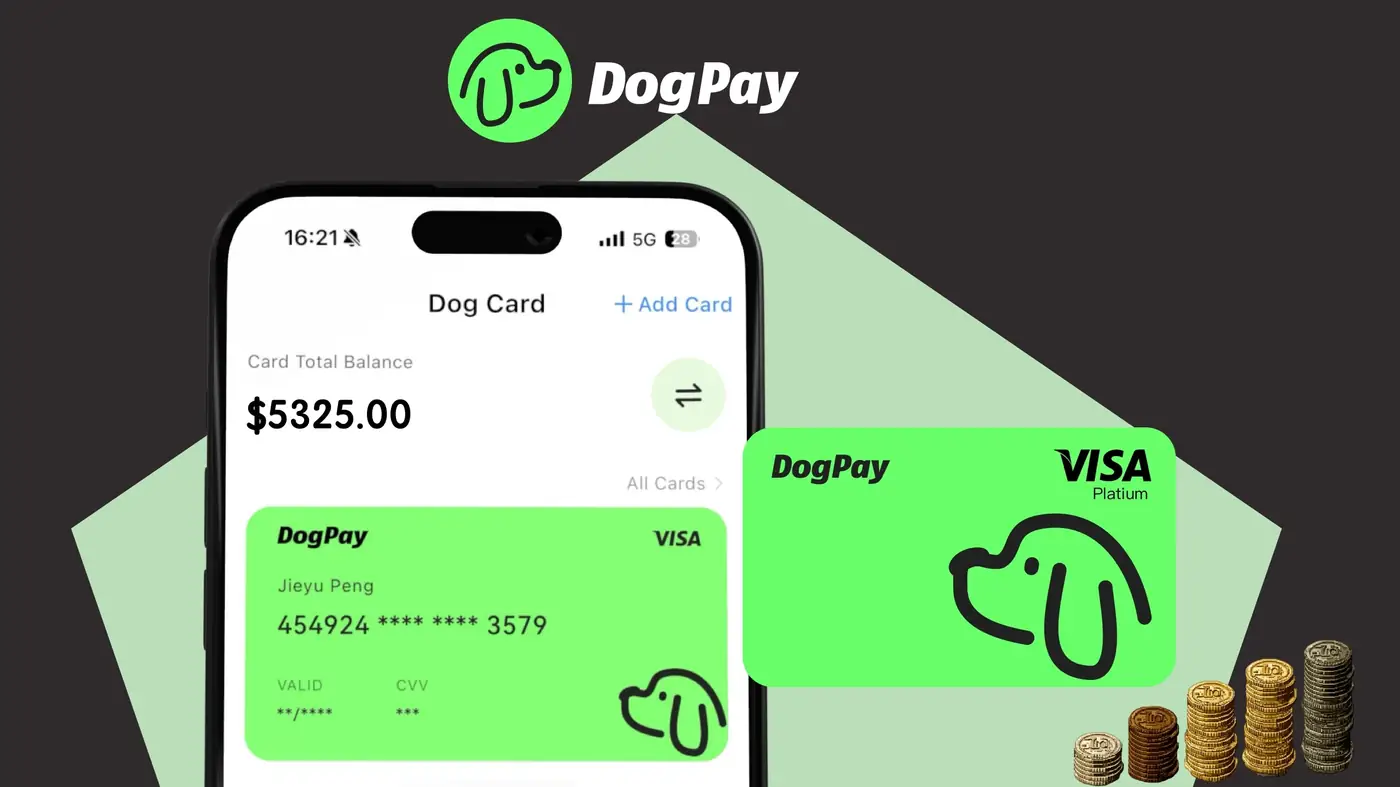
Business virtual cards offer a practical way to manage online spending without exposing a primary bank account. DogPay provides a payment workflow that lets you issue dedicated virtual cards for different purposes, which can support better spend control and clearer tracking.
One common use is for advertising and marketing spend. You can set a card for a specific ad platform with a set limit, helping to keep campaign costs predictable. For subscriptions, teams can assign separate cards to each vendor—like software tools or cloud services—making it easier to spot renewals and manage recurring charges.
Another use case is for vendor or supplier payments. Businesses can generate a card for a single transaction or a specific supplier, reducing the need to share main account details. This can add a layer of control, as each card has its own limits and can be paused if needed.
For global operations, DogPay supports stablecoin settlement, which can help when paying international contractors or service providers who prefer digital assets. The platform includes a global account and wallet infrastructure, allowing you to hold and convert funds in different currencies. While DogPay does not guarantee acceptance everywhere, virtual cards generally work anywhere standard cards are accepted online.
DogPay also emphasizes spend visibility. With dedicated cards, you can see transactions in real time, making it easier to reconcile budgets across teams. This is useful for finance teams that need to allocate spending to specific projects or departments.
To get started, you would create a DogPay account, fund it via supported methods (including stablecoins), and then issue virtual cards through the dashboard. You can set limits per card, and team members can use them for approved purchases. DogPay does not claim automatic top-ups or direct accounting integrations, but the manual controls are straightforward.
Overall, DogPay can help businesses streamline payment operations with dedicated virtual cards, global accounts, and stablecoin settlement—combining card convenience with crypto flexibility. It is a practical option for companies looking to manage online spend more carefully.