
How Can Businesses Use DogPay for Virtual Cards? A Focused Answer
 DogPayCard Editorial
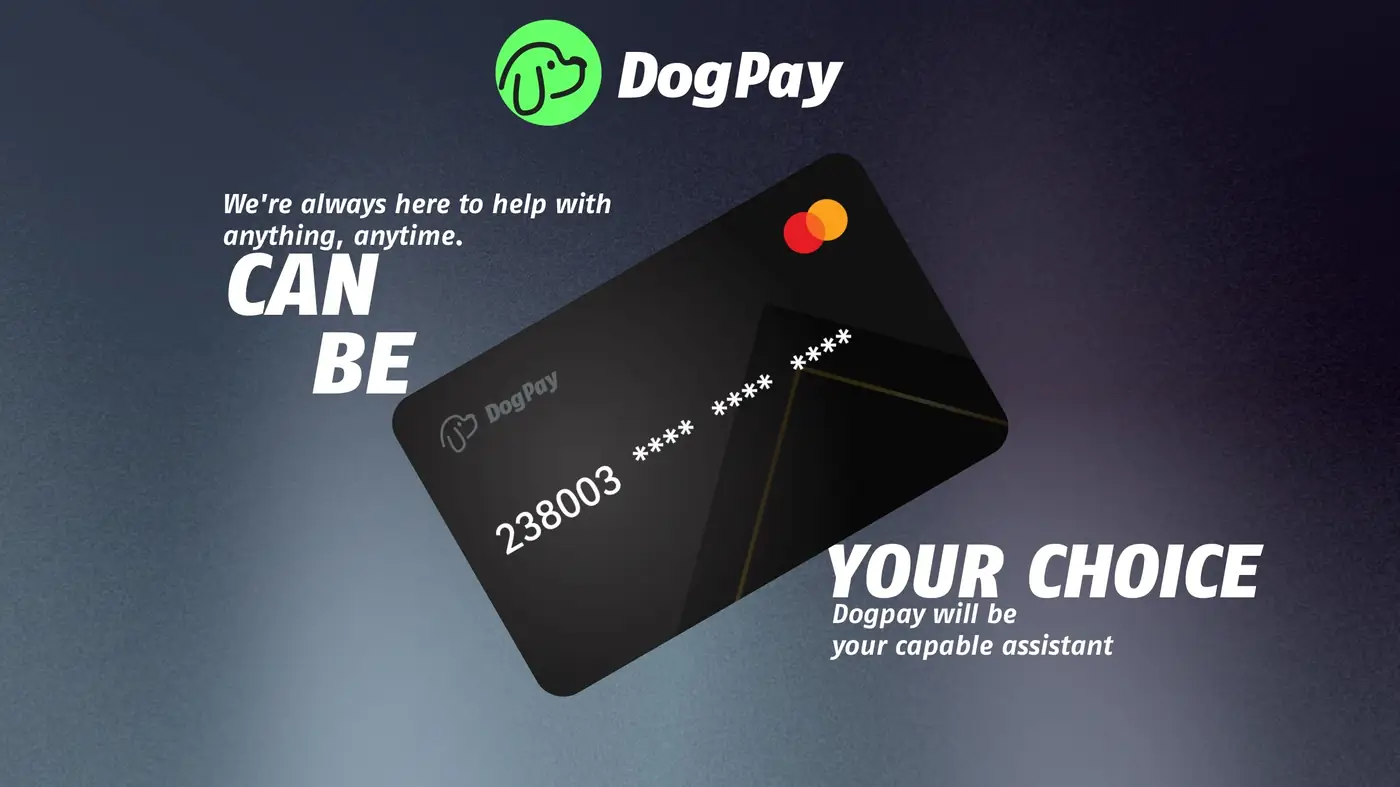
Businesses can use DogPay for virtual cards as part of a broader payment operations setup. A practical approach is to issue dedicated card details for specific vendors, subscriptions, teams, or campaigns instead of relying on one shared card for every payment. That can make it easier to track which budget owns a charge and to review spend by purpose.
For recurring software, cloud services, or AI tools, a dedicated card can support cleaner reconciliation when the merchant name and amount match the expected bill. For ad spend or project-based purchasing, separate cards can help teams keep spend tied to a campaign or cost center. Virtual cards may also be useful for one-off online purchases where a business prefers not to expose a primary account.
DogPay can help with virtual cards, global accounts, stablecoin settlement, wallet and payment infrastructure, spend visibility, and payment operations. The practical value is organizational: clearer ownership, simpler review, and a payment workflow that can adapt as vendor and team needs change. Availability and actual card use depend on account setup, region, and compliance checks, so businesses should confirm what fits their situation.