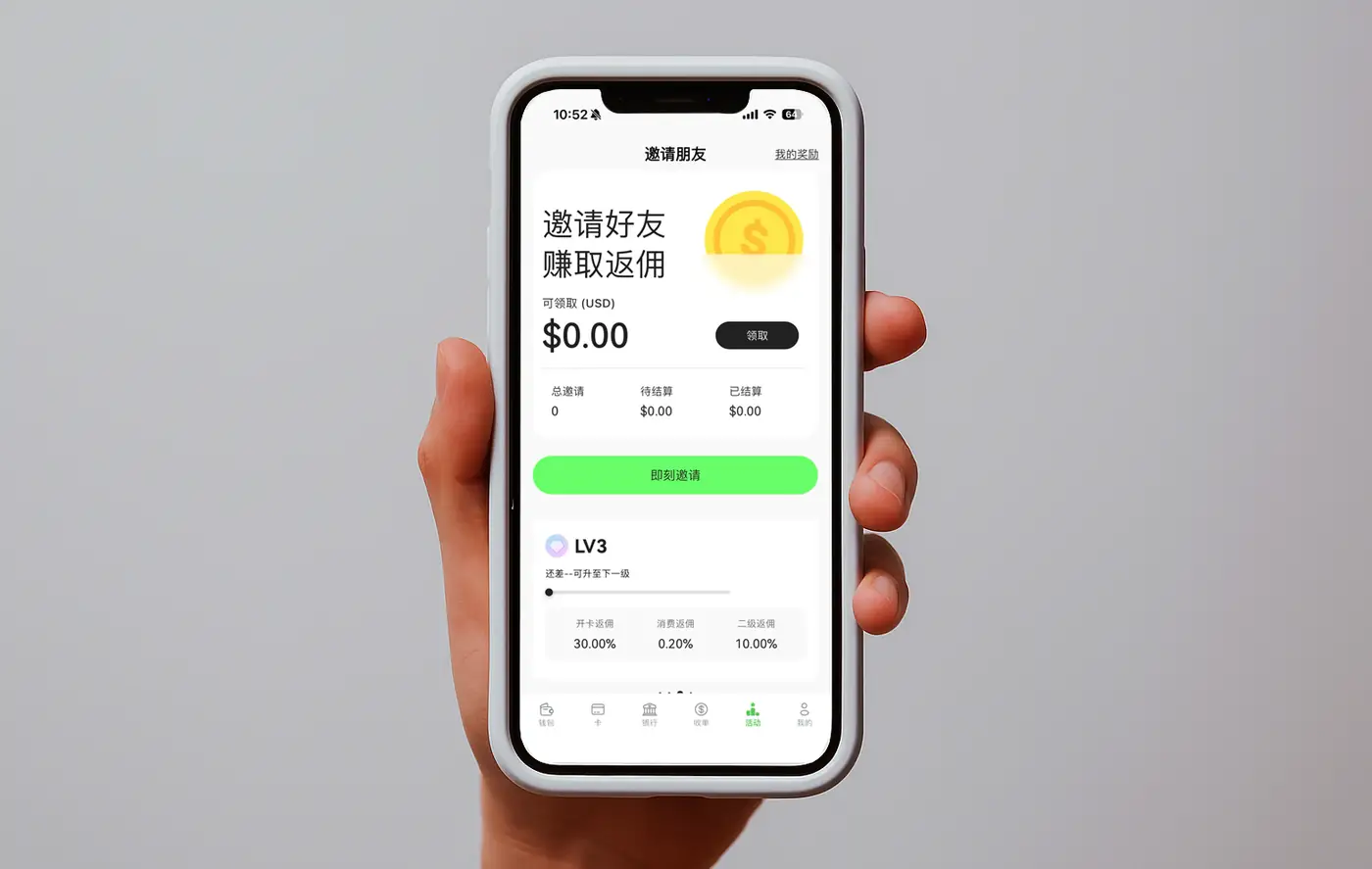
DogPayCard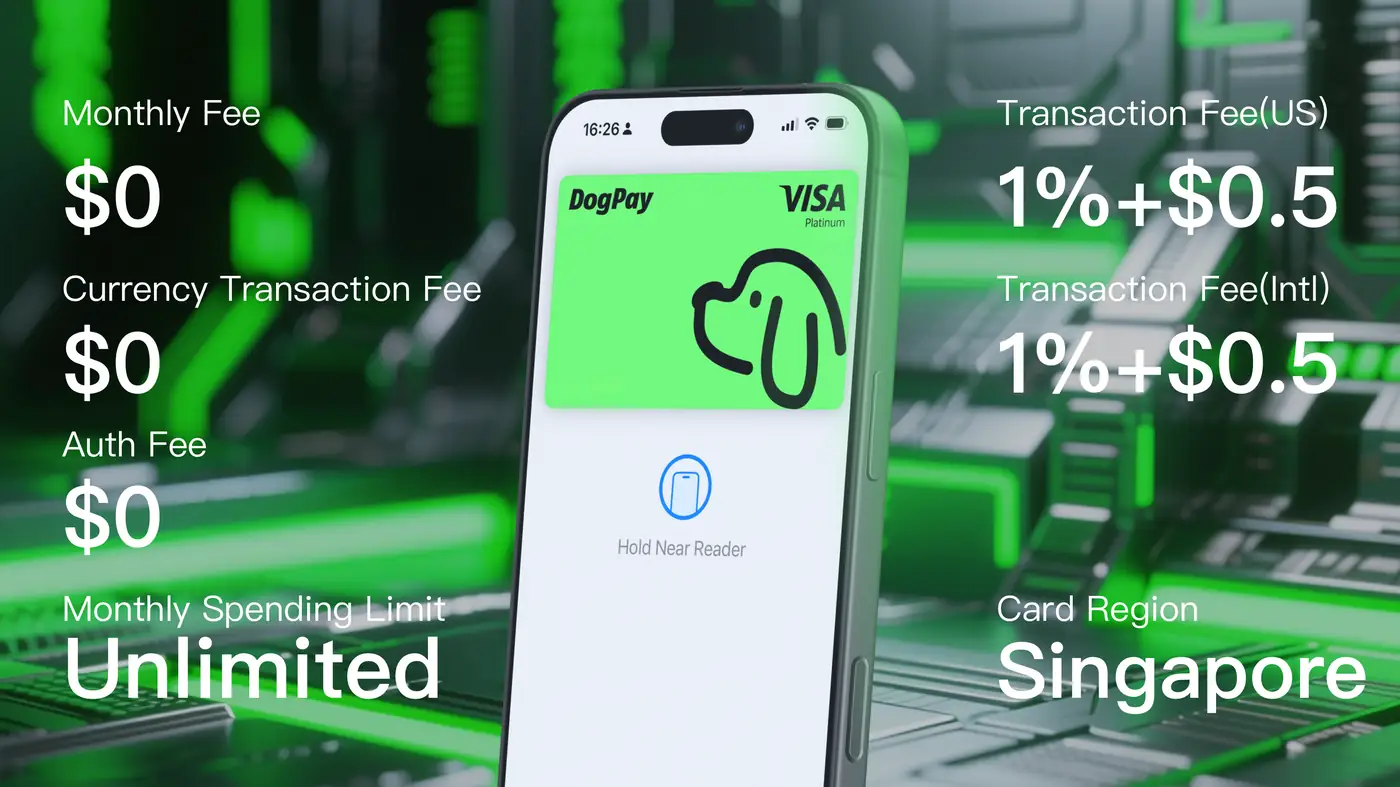
For businesses managing international payments, DogPay offers a practical approach through virtual cards and global accounts. Here’s how it works.
DogPay provides dedicated virtual cards that can be used for cross-border transactions. These cards are linked to global accounts that support stablecoin settlement, allowing you to hold and spend digital assets like USDC. This can simplify currency conversion and reduce reliance on traditional banking networks.
When making a cross-border payment, you can fund your DogPay global account with stablecoins, then use the virtual card to pay for services or subscriptions. The card details are generated instantly, and you can set spending limits per card, which helps control expenses and reduce fraud risk.
DogPay’s infrastructure also offers spend visibility through real-time transaction data. This helps finance teams track where money goes and reconcile payments more efficiently. The web3-based system works alongside existing payment operations, giving businesses an alternative for regions or use cases where traditional cards face friction.
Importantly, DogPay does not guarantee approval or acceptance at every merchant. Businesses should test card usage with their key vendors. Also, compliance and KYC are part of the onboarding, so be prepared to provide business documentation.
In summary, DogPay can help businesses streamline cross-border payments by combining virtual cards, global accounts, and stablecoin settlement. It offers a flexible payment layer that supports spend control and operational efficiency, making it a viable option for companies looking to modernize their international payment workflows.