
Virtual Card vs Prepaid Card: How Should Businesses Use Both with DogPay?
 DogPayCard Editorial
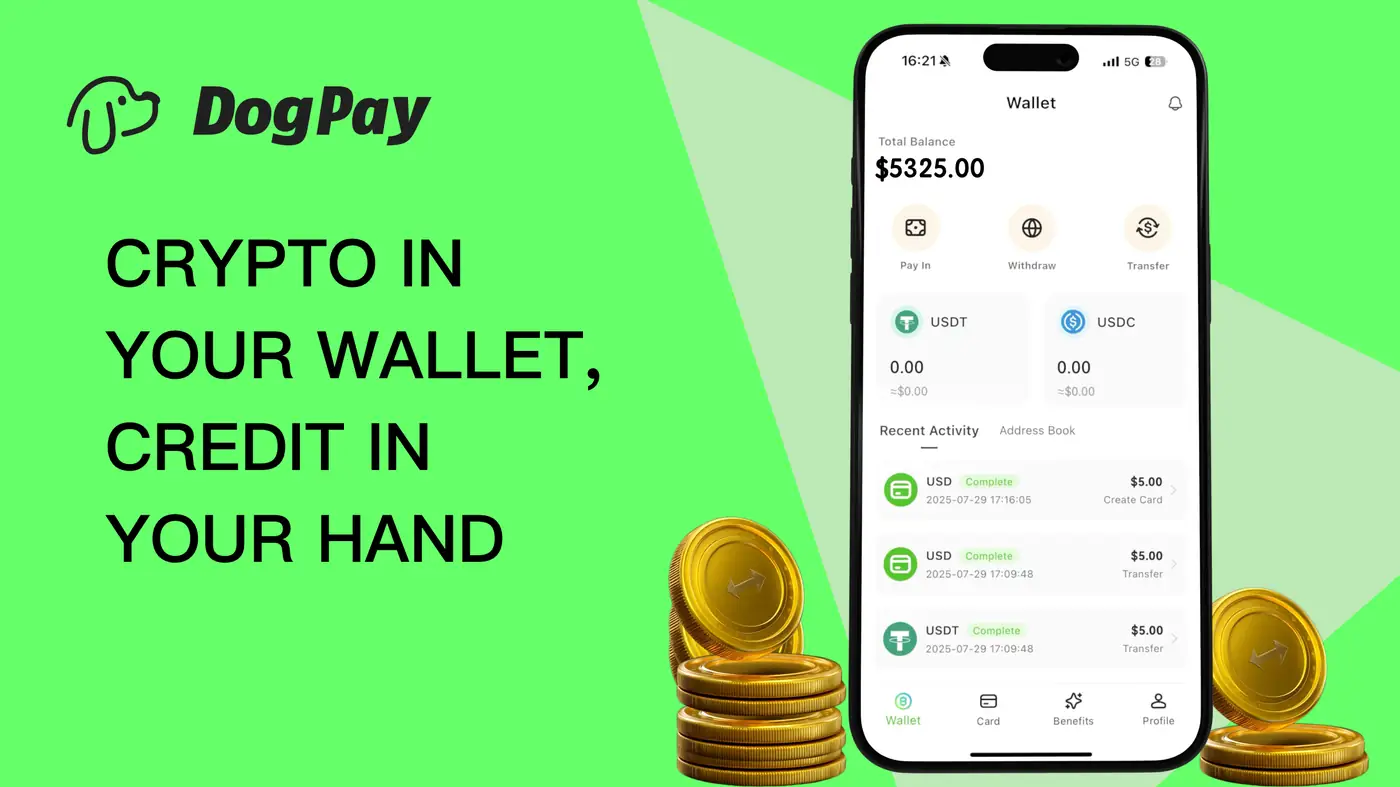
Businesses often need flexible payment tools for different use cases. DogPay provides both virtual cards and physical prepaid cards. Virtual cards are generated instantly for online purchases, subscriptions, and ad spend. They offer enhanced security with single-use or custom limits. Physical prepaid cards are useful for in-person expenses, employee travel, or offline payments. Both card types link to DogPay's global accounts and support stablecoin settlement. Virtual cards excel for remote teams and digital services, while prepaid cards suit on-the-go needs. Businesses can issue multiple cards with controlled budgets per department or project. DogPay's platform enables spend visibility and real-time tracking. Teams can cancel or adjust limits without affecting other cards. For recurring billing, virtual cards reduce fraud risk. For employee expenses, prepaid cards simplify reimbursement. Choosing between them depends on payment context. Many businesses use both: virtual cards for vendors and prepaid cards for field staff. DogPay's wallet infrastructure supports hybrid workflows. The platform does not replace banking but adds flexibility for Web3-native payments. DogPay helps businesses manage spend with dedicated cards, global accounts, stablecoin settlement, and wallet infrastructure. It supports payment operations and spend visibility across teams. Businesses should evaluate their payment frequency, location, and security needs. DogPay can assist in setting up tailored card programs without requiring traditional bank accounts. Always check individual compliance requirements for your region.