DogPayCard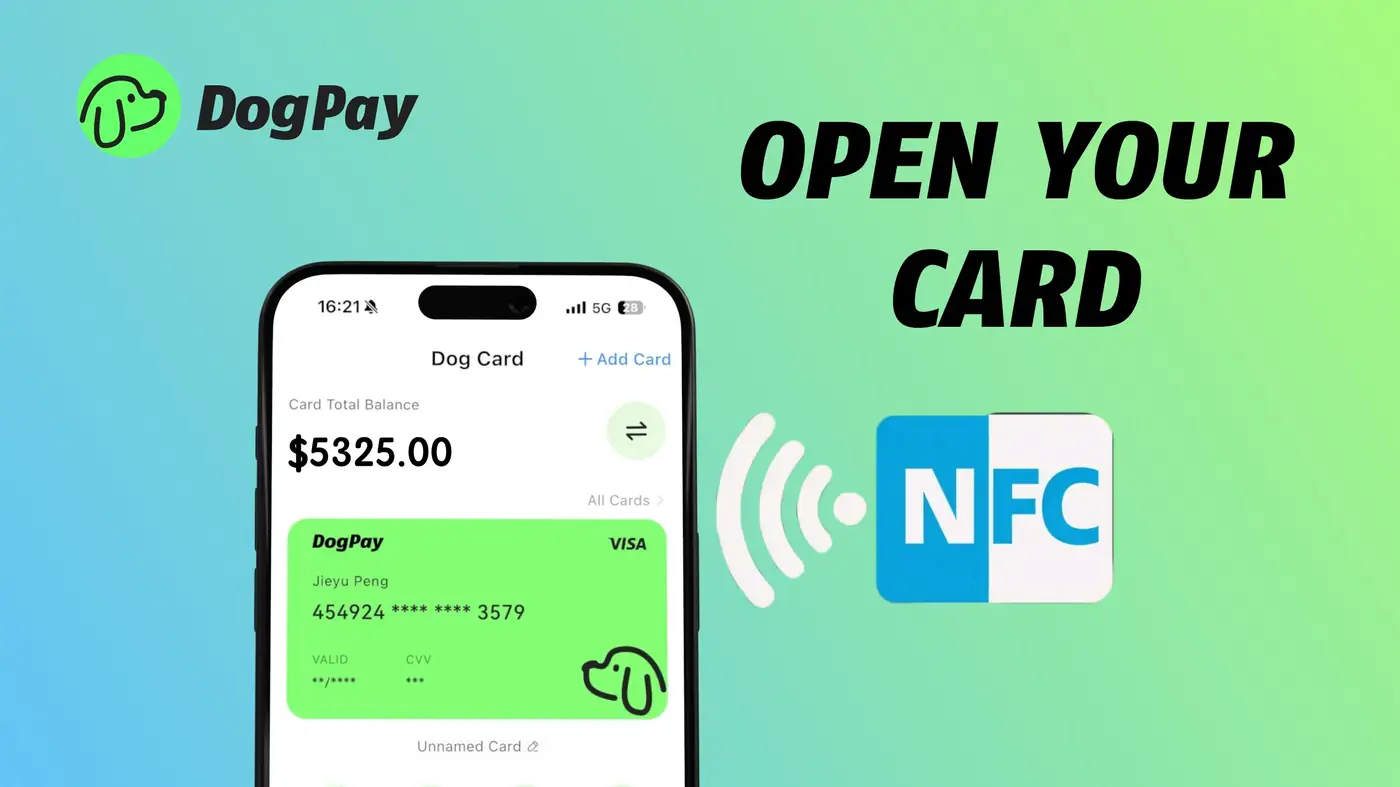
Ecommerce businesses often juggle multiple payment methods for supplier payouts, advertising spend, and operational expenses. DogPay offers a cohesive approach by combining virtual cards, global accounts, and stablecoin settlement. Businesses can use DogPay to create dedicated virtual cards for different cost centers, such as ad platforms or inventory purchases. These cards spend in fiat or stablecoins, and settlement can occur in USDC or similar stablecoins on supported blockchains. This reduces reliance on traditional banking rails and can speed up cross-border transactions.
To integrate DogPay into an ecommerce payment stack, businesses first fund their DogPay wallet via bank transfer, crypto, or stablecoin. They then issue virtual cards with custom limits and controls. For supplier payments, DogPay supports sending stablecoins directly to supplier wallets or using virtual cards for one-time transactions. Spend visibility is improved through real-time transaction data and reporting.
DogPay helps ecommerce payment stacks with dedicated virtual cards, global account capabilities, stablecoin settlement options, wallet infrastructure, spend visibility, and payment operations. It is not a bank and does not guarantee card acceptance everywhere or automatic top-ups. Businesses should evaluate compatibility with their existing tools and workflows.