
How businesses can use DogPay to offer Wallet-as-a-Service features
 DogPayCard Editorial
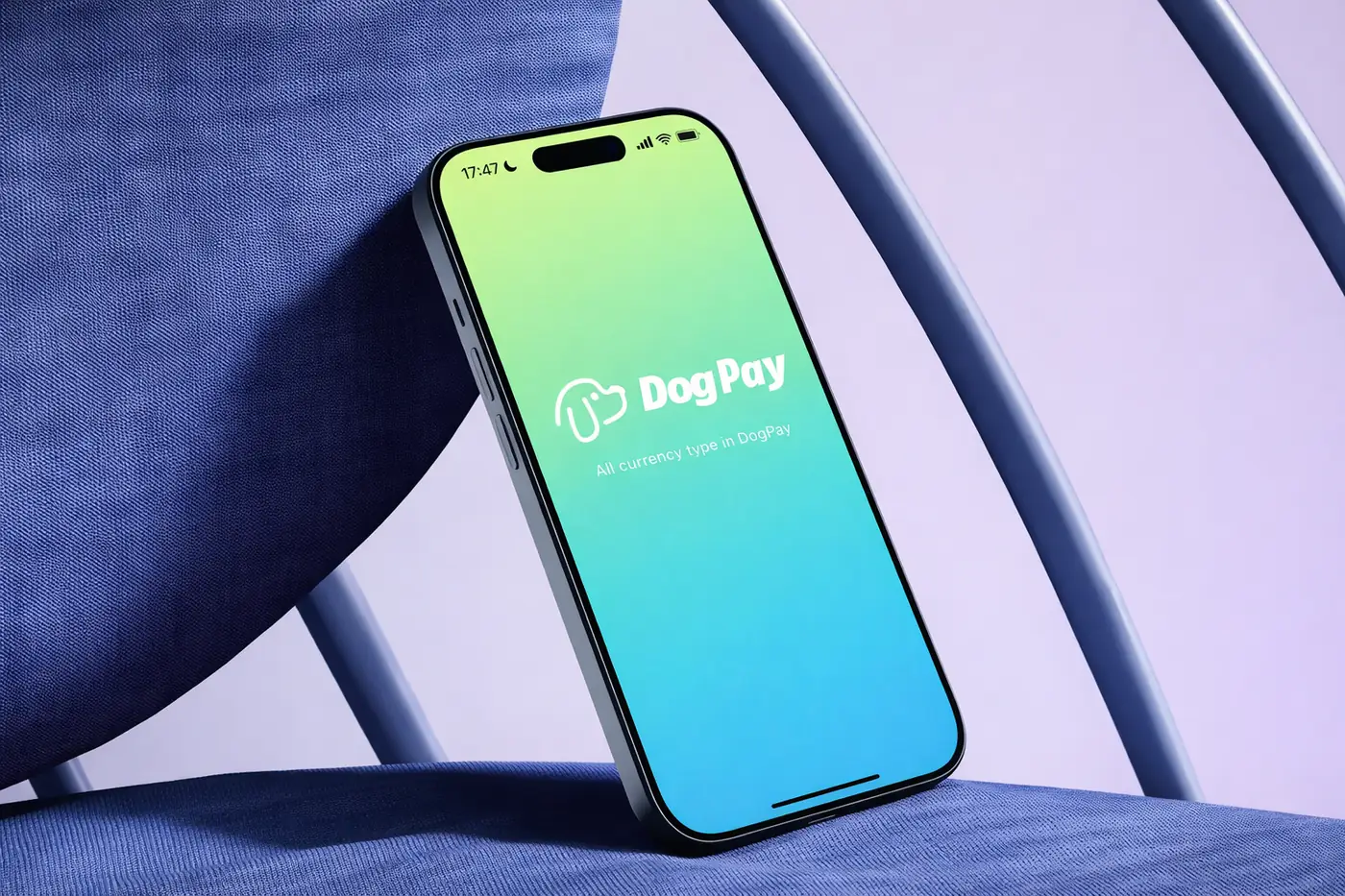
For businesses looking to embed financial services into their product, DogPay provides Wallet-as-a-Service capabilities. This allows companies to offer customers dedicated wallets, virtual cards, and global account features without building banking infrastructure from scratch. With DogPay, businesses can create sub-wallets for each user, enabling them to hold and manage funds in multiple currencies. Virtual cards can be issued directly from these wallets, giving customers spending power while keeping corporate funds separate. DogPay supports stablecoin settlement, which can reduce cross-border friction and settlement delays. Businesses can also use DogPay to provide spend visibility and control features such as transaction logs, balance alerts, and card limits. This is especially useful for platforms serving freelancers, remote teams, or gig economy workers who need flexible payment methods. DogPay fits into the payment workflow by acting as the backend payment infrastructure that connects wallets, cards, and settlement rails. It helps businesses offer financial services under their own brand, with compliance features like KYC/KYB checks. By using DogPay, companies can focus on their core product while delivering a seamless payment experience to their users.