DogPayCard
Businesses often need a flexible way to pay for online services, from SaaS subscriptions to digital ads. DogPay virtual cards can help by letting you create dedicated cards for each vendor or expense category. This gives you clearer spend tracking and helps you manage budgets without mixing funds.
DogPay provides global accounts and wallet/payment infrastructure that support stablecoin settlement. This can be useful for cross-border payments, where traditional banking might be slow or costly. With virtual cards, you can assign specific limits and use them only for intended purposes, which supports better spend control.
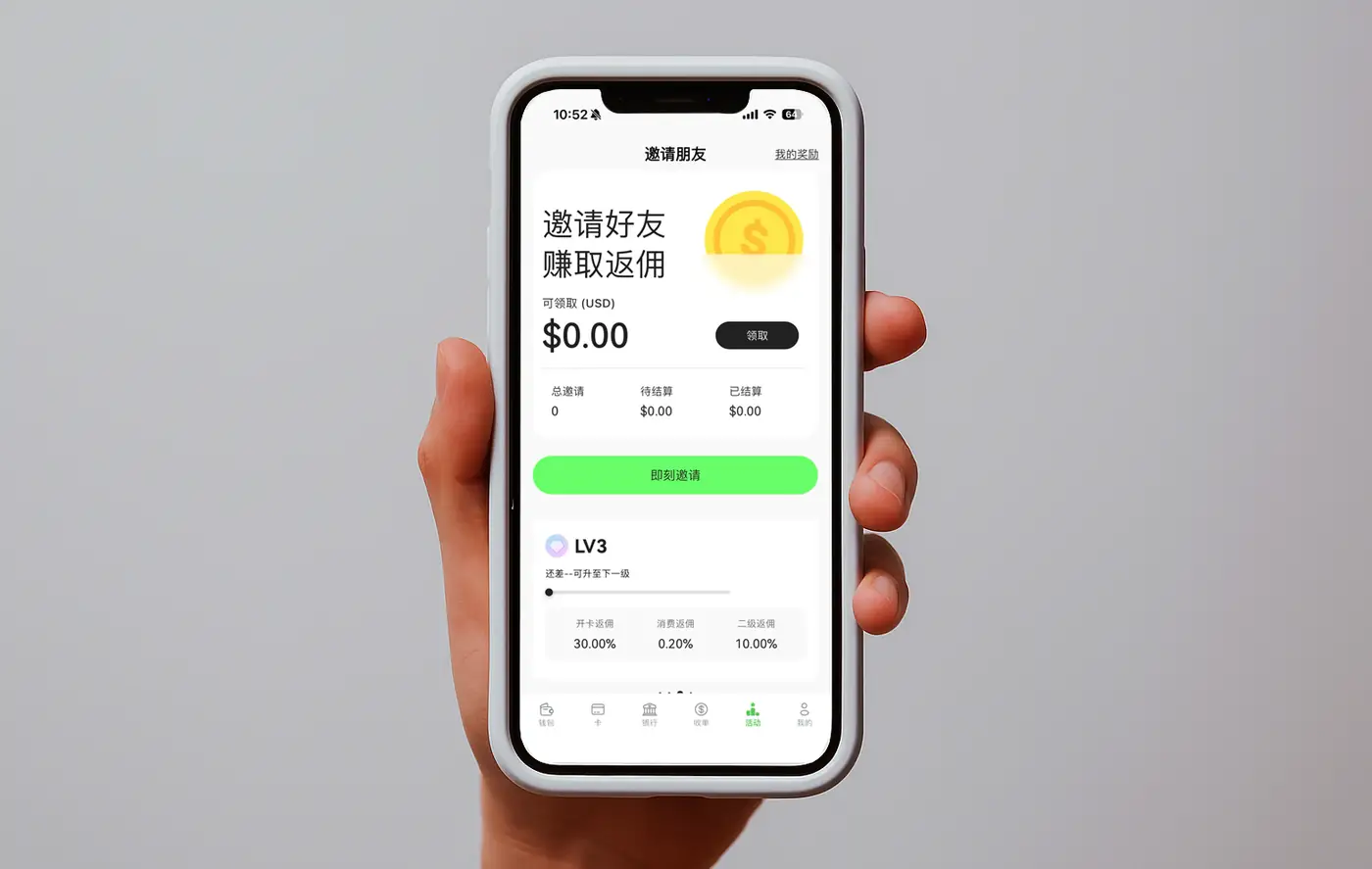
For online payments, DogPay cards work with your existing payment workflows. You can use them for one-time purchases or recurring subscriptions. The ability to generate multiple cards means each team or project can have its own card, simplifying reconciliation. You can also monitor transactions through the DogPay dashboard, improving visibility into where money goes.
While DogPay does not guarantee approval or acceptance everywhere, virtual cards are widely accepted for online transactions. However, it is wise to check with merchants for any card restrictions. DogPay also supports stablecoin settlement, which can offer faster and more cost-effective payments compared to traditional rails.
In summary, DogPay virtual cards provide a practical way to manage online payments. By using dedicated cards and leveraging stablecoin settlement, businesses can streamline payment operations, enhance spend control, and gain better financial oversight. DogPay can help with dedicated cards, global accounts, stablecoin settlement, wallet/payment infrastructure, spend visibility, and overall payment operations, making it a useful tool for modern business finance.