
Card Declined Online? How Businesses Can Use DogPay to Keep Operations Moving
 DogPayCard Editorial
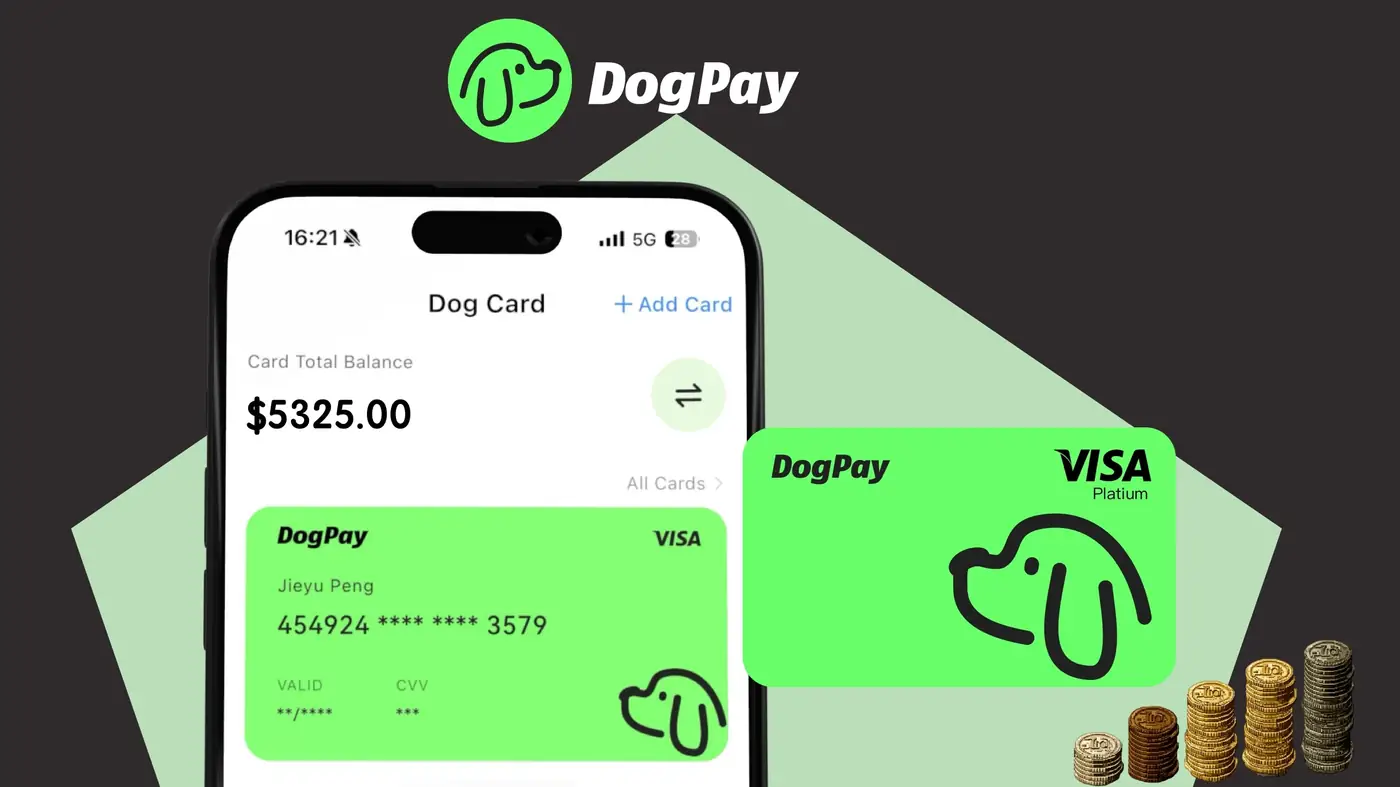
An online payment card decline often happens at the worst time: a SaaS renewal, a cloud bill, an ad account top-up, or a supplier charge. The decline may come from issuer risk rules, insufficient balance, mismatched billing data, regional restrictions, or merchant fraud checks. Businesses need a practical response, not panic.
Start by identifying the decline reason. Check the payment dashboard, issuer message, and whether the card is active. Confirm billing address, currency, and merchant category. If the decline is tied to one card or one merchant, a different payment method can help isolate the issue.
DogPay can support this workflow through dedicated virtual cards for specific teams, vendors, or software categories. Instead of one shared corporate card, businesses can issue separate cards with clearer ownership and spend visibility. That makes it easier to see which payment failed, pause a card, or route a recurring charge to another card.
For cross-border payments, DogPay global accounts and stablecoin settlement can help businesses hold and move funds in supported contexts. Wallet and payment infrastructure can connect funding, card issuance, and transaction records so finance teams can review declines and reconcile spend.
A useful process is: review the decline, verify card and merchant details, try an alternative approved payment route, document the outcome, and adjust card controls or funding. DogPay can help with dedicated cards, global accounts, stablecoin settlement, wallet and payment infrastructure, spend visibility, and payment operations. It does not guarantee approval, acceptance, or success, and third-party integrations depend on what is explicitly supported.
DogPay fits into the payment workflow as a layer for issuing and managing virtual cards, funding them through supported account and settlement rails, and giving teams better visibility into where payments fail. When an online payment card is declined, businesses can use DogPay to keep operations organized while resolving the underlying cause.