
How Can Businesses Use DogPay for Virtual Cards? Practical Setup and Spend Flow
 DogPayCard Editorial
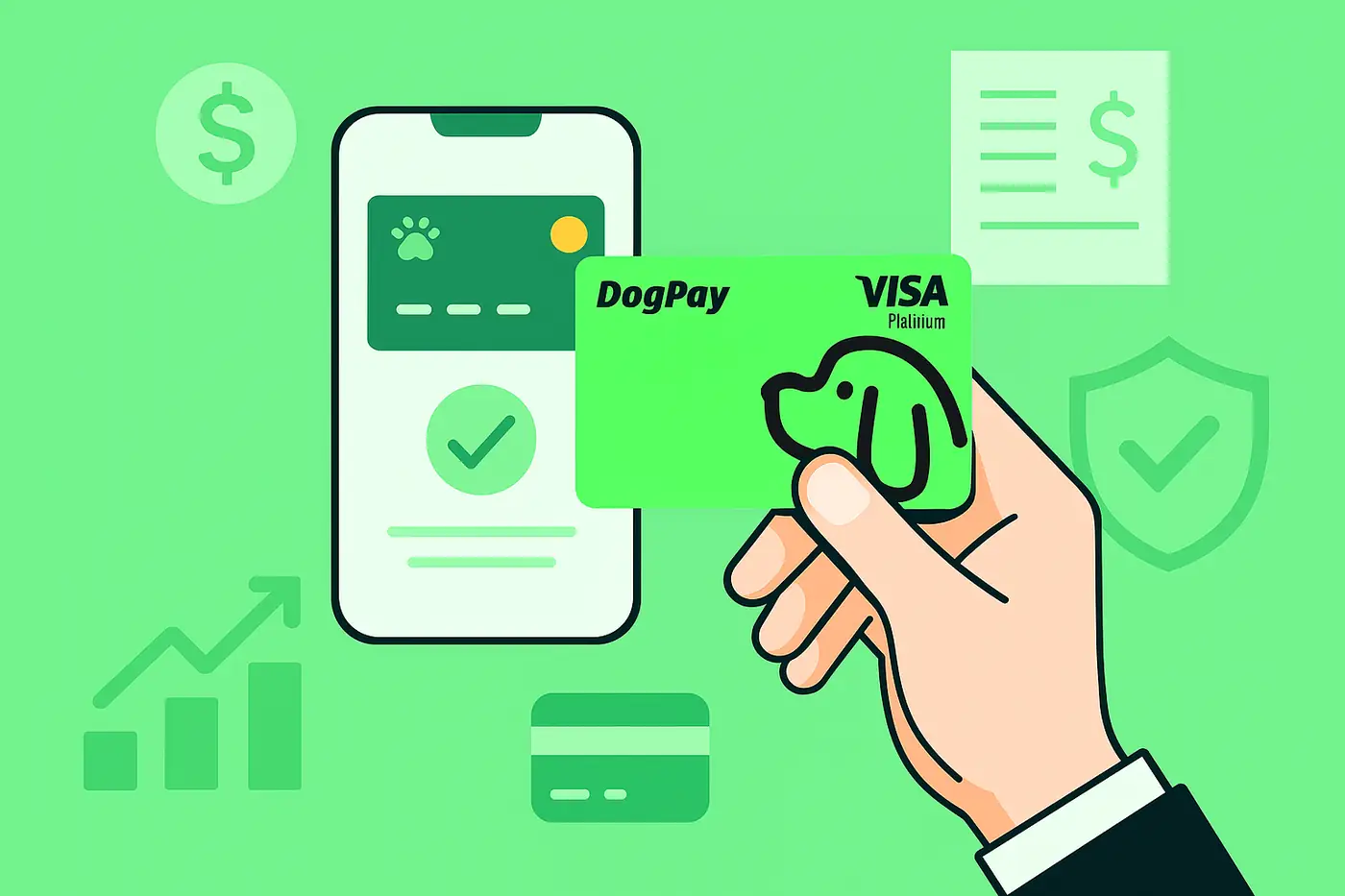
How can businesses use DogPay for virtual cards? The short answer: treat DogPay as payment infrastructure that can issue or support dedicated virtual cards, fund them through global accounts or stablecoin settlement where available, and give finance teams clearer spend visibility.
A practical workflow looks like this. First, define the payment purpose: software subscriptions, ad accounts, contractor payouts, or one-off online purchases. Second, create a dedicated card or payment credential for that purpose so it is easier to track and reconcile. Third, set internal limits and approval rules based on your own finance policy. Fourth, fund the account through the available DogPay account and settlement routes. Fifth, review transactions in the spend view and adjust limits or card usage as needed.
This structure helps businesses separate vendors, reduce shared-card confusion, and make it easier to see which team or project is spending. It can also support global payments when a merchant or platform expects card details, while stablecoin settlement may help with treasury movement in supported contexts.
Keep expectations realistic. Card acceptance depends on the merchant, card network, region, and risk checks. Approval and funding are subject to DogPay's onboarding, compliance review, and available features. Not every merchant or subscription will accept every card type. Businesses should test small payments first, keep backup payment methods, and document internal controls.
For teams comparing options, the value is not a promise of zero declines. It is a clearer payment workflow: dedicated cards, global account funding, stablecoin settlement where supported, and spend visibility that helps finance teams act faster.
DogPay fits into this workflow by providing virtual card and global account infrastructure that businesses can use to organize online payments, separate spend by purpose, and review activity in one place. Teams can pair DogPay cards with internal approval rules and reconciliation habits, then adjust as vendors and regions change.