
How Businesses Use DogPay Physical Cards for In-Store Spend
 DogPayCard Editorial
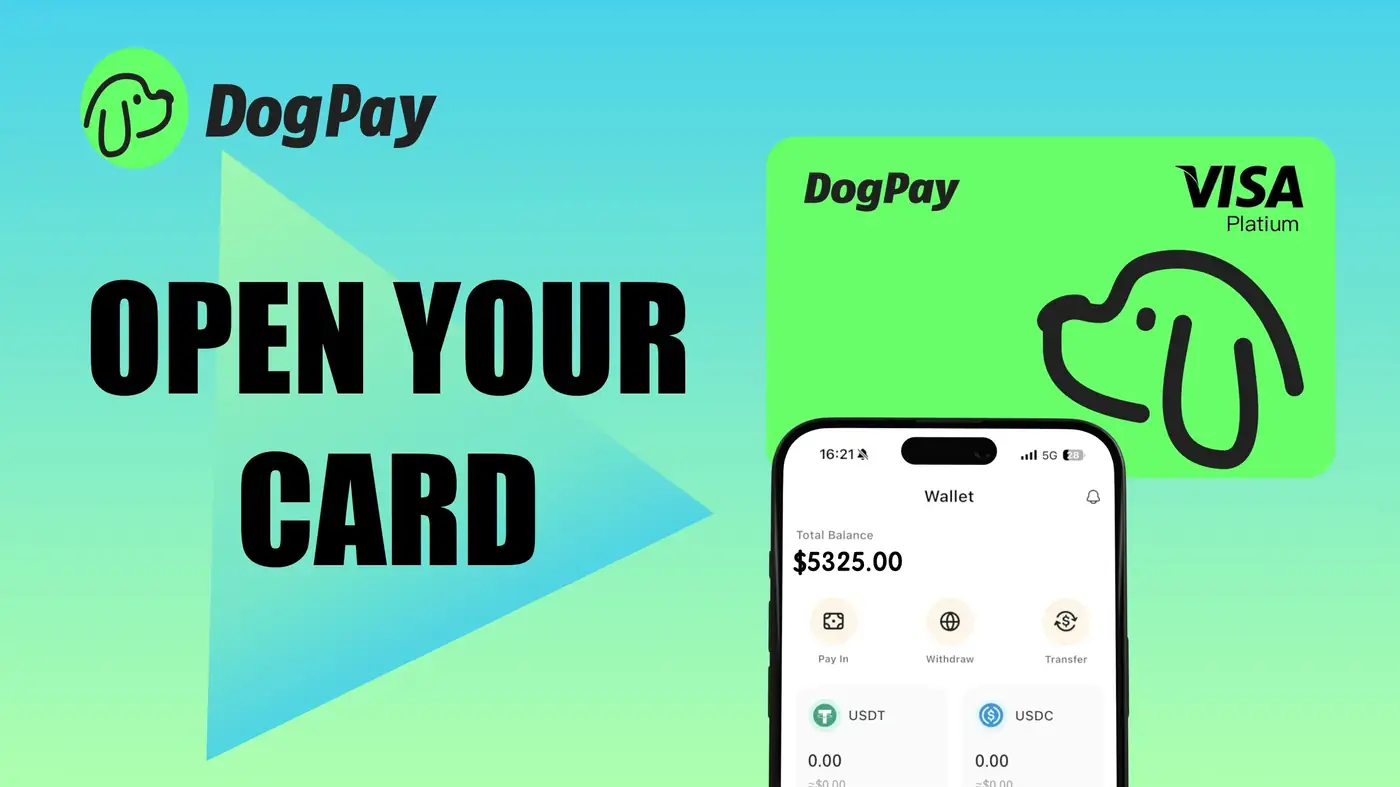
Businesses use DogPay physical cards to handle in-store purchases, especially when they rely on stablecoin funds or want to reduce reliance on traditional bank accounts. A DogPay physical card works at any merchant that accepts standard card payments, allowing teams to spend directly from their DogPay wallet. This is useful for everyday business expenses like office supplies, client meetings, and travel.
DogPay provides a web-based dashboard where you can issue multiple physical cards, set spending limits per card, and monitor transactions in real time. You can also create virtual cards for online or recurring payments. All cards draw from a global account that supports stablecoin settlement, which can simplify cross-border spending and reduce currency conversion costs.
For in-store use, the physical card functions like a typical debit or prepaid card. DogPay does not guarantee acceptance at every merchant, as some may decline prepaid or non-bank-issued cards. However, many major retailers and service providers accept them. Combining physical cards with virtual cards gives businesses flexible spend control across offline and online channels.
DogPay can help with dedicated cards, global accounts, stablecoin settlement, wallet/payment infrastructure, spend visibility, and payment operations. By using DogPay, businesses can unify their spending under a single platform, with clear transaction records that simplify expense tracking and reconciliation. This workflow is especially beneficial for remote teams or companies operating in multiple countries, as DogPay’s infrastructure supports global payments without requiring a traditional bank account for each region.