
How Can Businesses Use DogPay Prepaid Cards vs Virtual Cards?
 DogPayCard Editorial
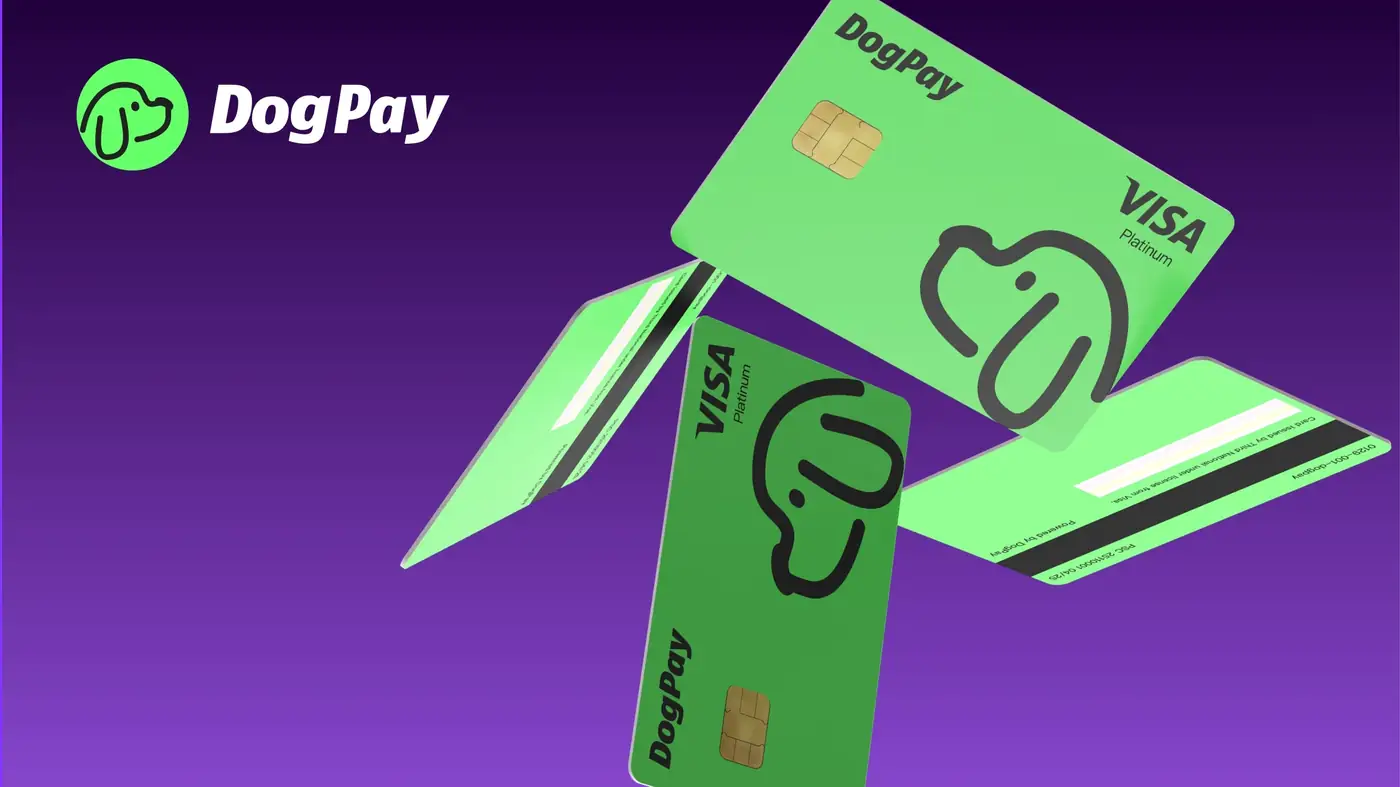
Businesses often ask whether to use a prepaid card or a virtual card with DogPay. Both run on stablecoin settlement and global account infrastructure, but serve different spending scenarios.
A DogPay prepaid card is a physical card that can be used at point-of-sale terminals, ATMs, or anywhere cards are accepted. It works well for employees who need to make in-person purchases, travel expenses, or one-time payments where a physical card is required. The card is loaded with funds from a global account, providing spend visibility and control.
A DogPay virtual card exists only digitally and is ideal for online transactions, subscriptions, ad spend, and software billing. Virtual cards can be created quickly with custom limits and expiration dates. They help reduce the risk of fraud because the card details are not physically exposed. Businesses can issue multiple virtual cards for different vendors or teams, each with its own spending rules.
For spend control, prepaid cards are best for tangible, on-the-go purchases, while virtual cards excel in digital, recurring, or single-purchase scenarios. Both types offer real-time transaction data and can be managed via DogPay's dashboard.
DogPay supports both prepaid and virtual cards through its wallet and payment infrastructure. Using stablecoin settlement, DogPay can help businesses manage global payments, allocate funds to cards, and track spending across teams. By integrating virtual and prepaid cards into one platform, DogPay enables businesses to choose the right tool for each payment need without compromising oversight.