DogPayCard
Managing Vercel billing as a business often means dealing with recurring charges, multiple projects, and tight budget oversight. DogPay offers a practical approach by providing virtual cards that can be dedicated to specific cloud services. When you set up a DogPay card for Vercel, you gain a clear, isolated payment method for your infrastructure costs. This separation helps with tracking and reconciling expenses, as each card transaction appears distinctly in your records.
DogPay supports stablecoin settlement, allowing you to fund your cards using digital assets. This can be useful for businesses that prefer to manage treasury in crypto or need to settle international payments without traditional banking delays. The DogPay platform includes a wallet and payment infrastructure that lets you create cards, monitor balances, and view spending in real time.
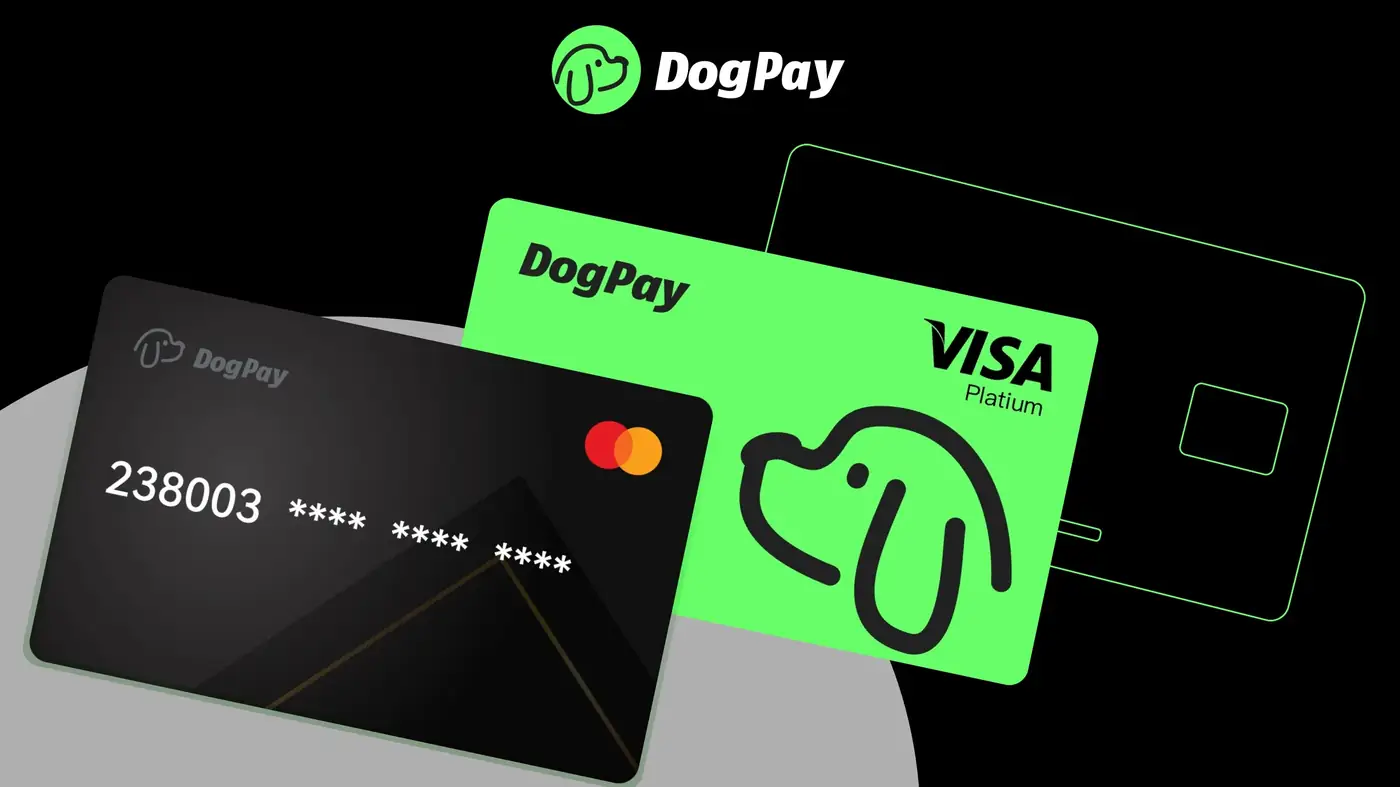
To use DogPay for Vercel, you simply generate a virtual card, add it as a payment method in your Vercel dashboard, and allocate funds as needed. The card works like any standard debit card, so it can handle recurring billing cycles. For teams, DogPay helps with spend visibility, as you can assign different cards to different projects or departments, making it easier to control costs and prevent overspending.
It's important to note that while DogPay provides the tools to manage payments efficiently, actual transaction approval depends on Vercel and the card networks. DogPay does not guarantee acceptance or automatic top-ups. You will need to ensure sufficient balance and monitor for any issues.
In summary, DogPay can help businesses streamline Vercel billing by offering dedicated virtual cards, stablecoin settlement, and robust spend management. By integrating DogPay into your payment operations, you can improve visibility and control over cloud infrastructure costs, supporting more efficient financial workflows.