
Virtual Card vs Physical Card for Business: Which Does DogPay Offer?
 DogPayCard Editorial
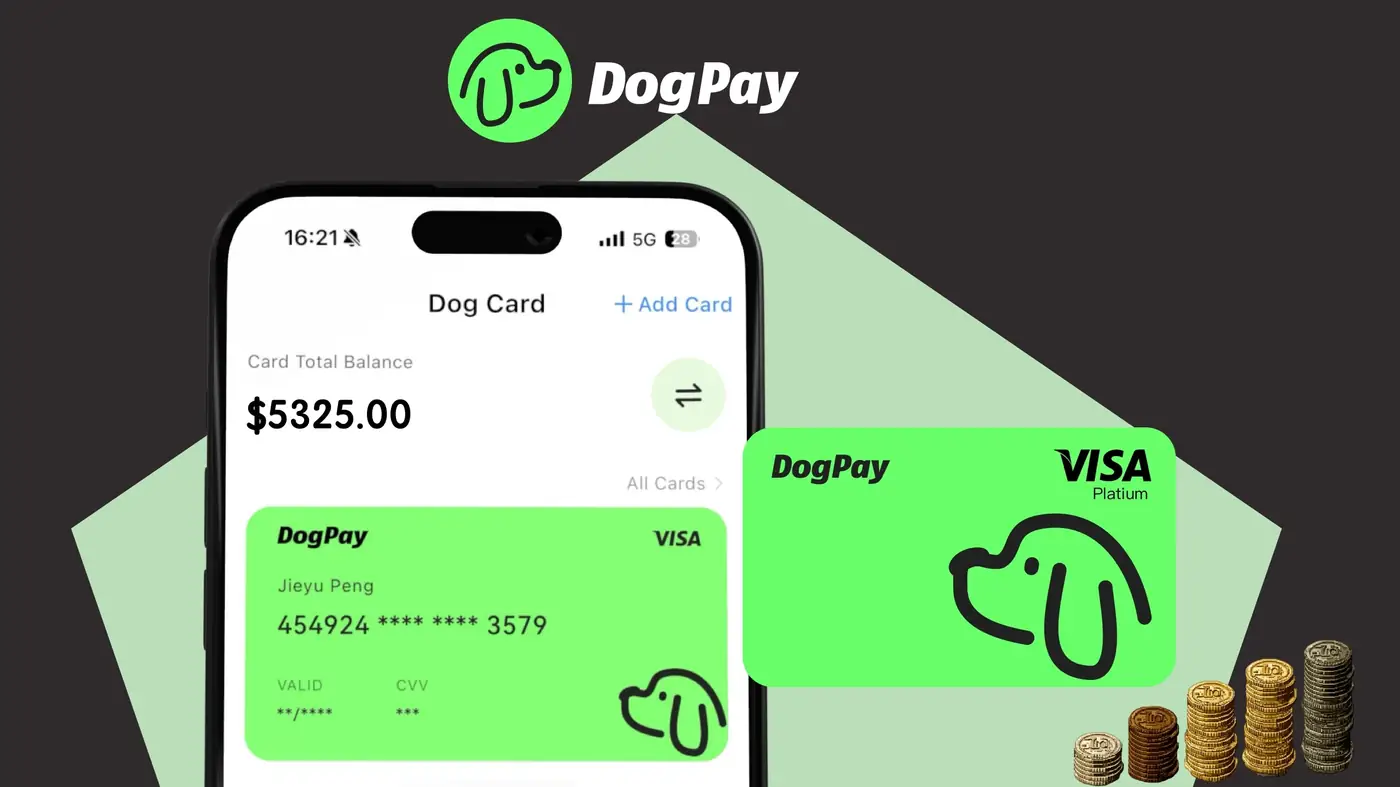
When evaluating DogPay card options, businesses often ask: should we use a virtual card, a physical card, or both? The answer depends on the use case. Virtual cards are digital payment credentials instantly generated and used for online transactions. They support remote team spend, recurring subscriptions, and ad platforms. Physical cards, on the other hand, serve point-of-sale purchases, travel expenses, or any in-person need. DogPay can help with both dedicated card types, but the choice should align with where your spend happens. For example, a marketing team might prefer virtual cards for ad accounts and SaaS tools, while a sales team might use physical cards for client lunches. Virtual cards can also be issued per project or vendor, simplifying reconciliation. Physical cards offer the familiarity of plastic for offline situations. Neither type is universally superior; many operations use both to separate spend categories. A practical approach is to assign virtual cards to software subscriptions and physical cards to employee travel or office supplies. This segmentation supports clarity in bookkeeping and control. DogPay can support dedicated virtual and physical cards in combination with global accounts and stablecoin settlement, giving finance teams tools to manage varied spend types. However, acceptance depends on merchant networks, so always verify with your vendor. By aligning card type to transaction context, businesses can improve spend visibility and operational efficiency.