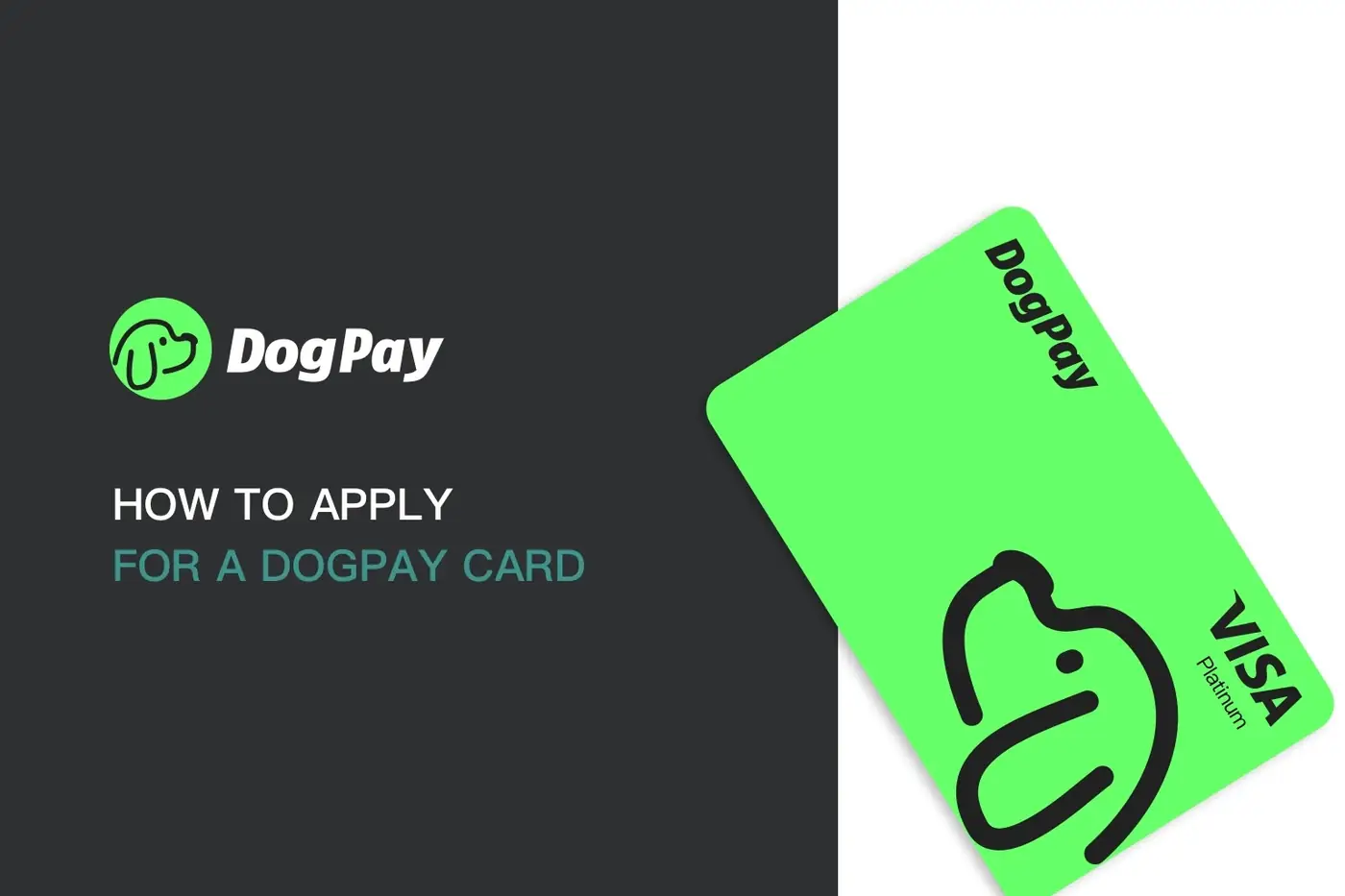
DogPayCard
Global SaaS teams often face friction when paying vendors across borders—currency conversion delays, high fees, and slow bank transfers. Stablecoin settlement offers a faster, more cost-efficient alternative, and DogPay provides the infrastructure to put it to work.
DogPay lets you hold and manage stablecoin funds in a global account, then use dedicated cards for everyday expenses. This setup can work well for paying contractors, cloud services, or ad platforms that accept crypto. The process typically involves loading your DogPay account with stablecoins, converting to fiat when needed, and making payments via card or transfer.
A key benefit is spend visibility. DogPay gives you transaction-level data, helping finance teams track where money goes across projects and departments. This can simplify reconciliation and budgeting for distributed teams.
It's important to note that not all vendors accept stablecoin payments directly. DogPay bridges the gap by allowing you to spend stablecoins through card networks, but merchant acceptance can vary. Always verify that a vendor supports the payment method you plan to use.
For SaaS teams dealing with global contractors or subscription services, DogPay can streamline payment operations. By keeping funds in stablecoins, you reduce exposure to fiat volatility and lower cross-border costs. However, stablecoin value can fluctuate, so consider your risk tolerance.
DogPay fits into your payment workflow by providing a dedicated card and global account—both linked to your stablecoin balance. You can manage funds, issue cards to team members, and monitor spending in real time. This setup can help you settle vendor invoices faster and with greater control.
Before integrating, review your compliance obligations and ensure your team understands the crypto-to-fiat conversion process. With careful setup, DogPay can be a practical part of your global SaaS payments stack.