
How Can Businesses Use DogPay for Corporate Card Spend and Control?
 DogPayCard Editorial
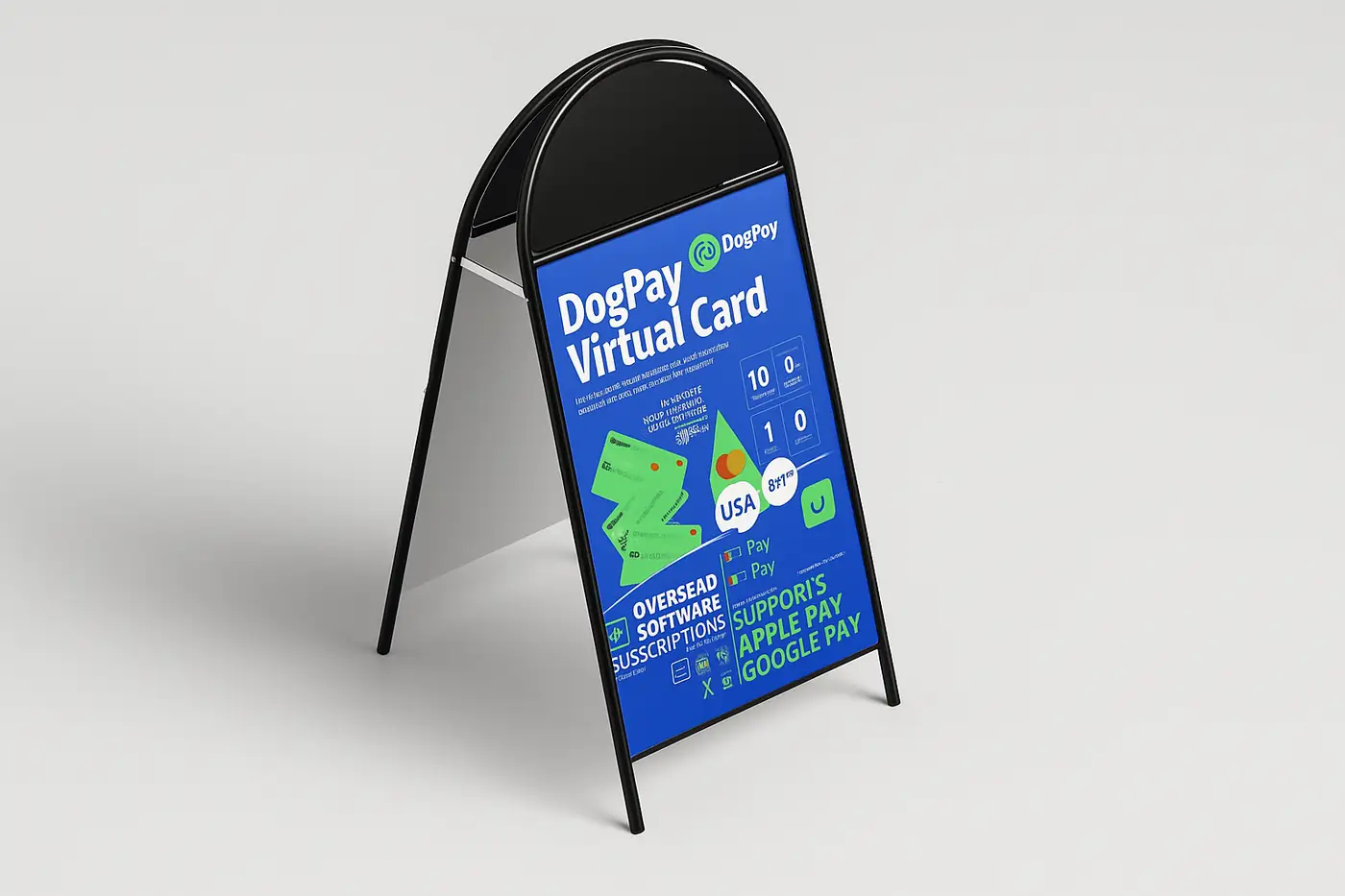
Businesses often ask how a corporate card program can fit into modern payment operations without adding complexity. DogPay can help teams create dedicated virtual cards for specific vendors, teams, or recurring software subscriptions. Instead of sharing one card across the company, finance can issue separate cards so spend stays tied to a clear purpose.
A practical workflow starts with defining who needs a card and what it is for. A marketing team might use a virtual card for ad platforms, while operations uses another for cloud services. DogPay can support global accounts and wallet-based payment infrastructure, which may help teams manage cross-border vendor payments and stablecoin settlement where applicable.
Spend visibility is another part of the workflow. When cards are separated by use case, reviewing transactions becomes more structured. Finance can compare planned vendor spend with card activity and follow up on unusual charges. DogPay can help with payment operations by keeping card usage and account activity in one view, though teams should still maintain their own approval and reconciliation process.
For businesses exploring stablecoin settlement, DogPay can fit into a broader payment stack that includes virtual cards and global accounts. This may suit teams that already work with digital assets or cross-border suppliers. It is not a guarantee of acceptance at every merchant, and card approval depends on the provider's review.
DogPay fits the payment workflow as a way to issue dedicated cards, manage global accounts, and support stablecoin settlement and wallet infrastructure. Teams can use it to organize spend across vendors, teams, and recurring bills while keeping payment operations visible and controlled.