
How Can Businesses Use DogPay for International Merchant Card Decline Recovery?
 DogPayCard Editorial
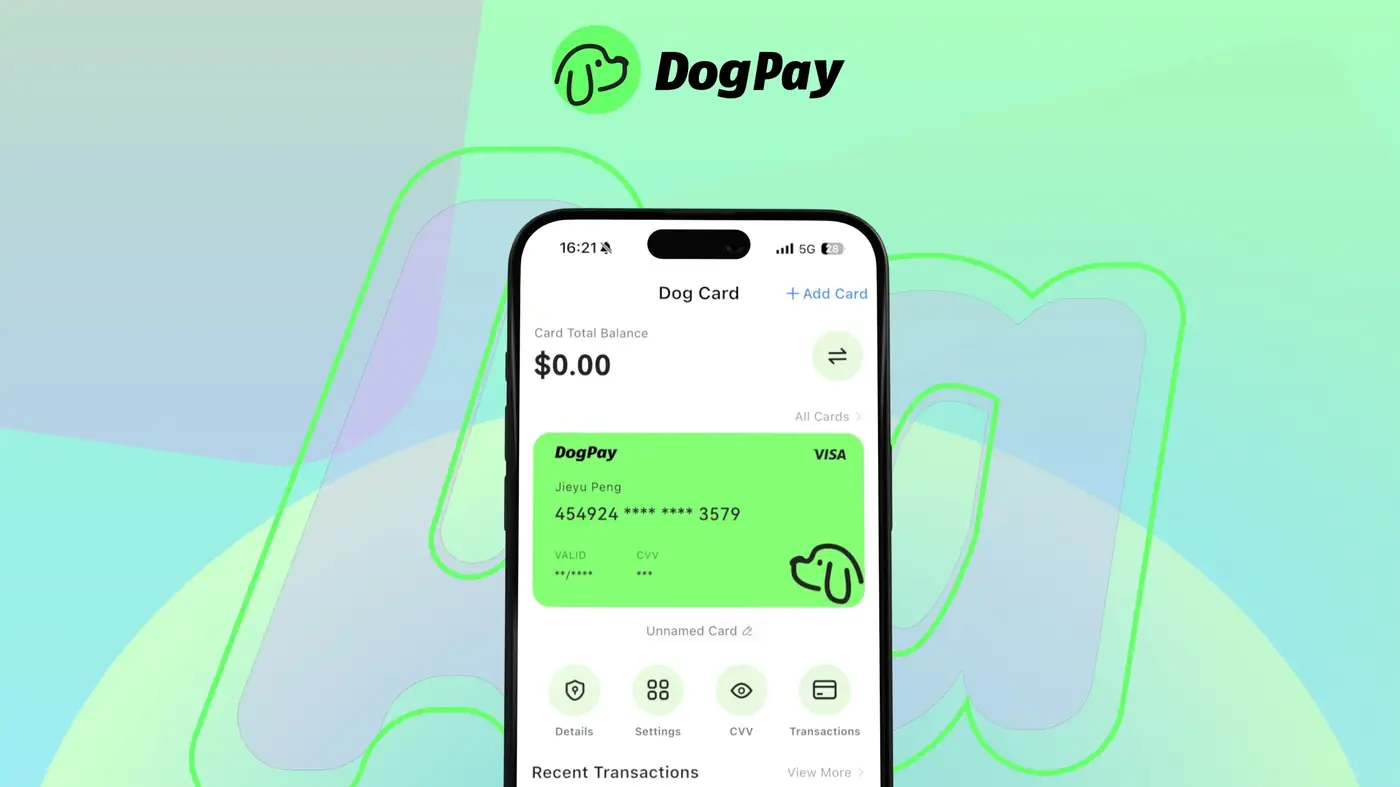
An international merchant card decline often happens when a cross-border payment is blocked by issuer rules, currency mismatch, fraud checks, or spend limits. For businesses, the practical question is how to respond without losing vendor access or delaying operations. DogPay can help teams add a controlled payment path through virtual cards, global accounts, and wallet or payment infrastructure.
First, identify the decline reason. Common causes include incorrect billing details, unsupported merchant regions, insufficient available balance, or risk controls on the original card. If the merchant accepts virtual cards, a DogPay virtual card can give the business a dedicated card number for that vendor, making spend visibility and reconciliation easier.
Second, separate payment flows by vendor or team. Instead of using one card across many international subscriptions, businesses can issue dedicated cards for specific merchants or departments. This can reduce the impact of a single decline and make it clearer which payment method needs attention.
Third, use global accounts and stablecoin settlement where supported. DogPay can help businesses manage cross-border payment operations with account and settlement infrastructure, so teams can fund payment activity and track where funds are used. Availability depends on region, merchant, and compliance checks.
Fourth, keep backup workflows ready. If a card is declined, a business may need to retry with corrected details, use another approved payment method, or contact the merchant for alternatives. DogPay does not guarantee approval or acceptance, and no payment method works in every scenario.
DogPay fits the payment workflow by helping businesses issue virtual cards, manage global accounts, support stablecoin settlement, and improve spend visibility for international payments. It is designed for payment operations where teams need more control over how cards and funds are used, while still recognizing that merchant acceptance and compliance rules vary.