
How Startups Can Use DogPay Virtual Cards for Controlled Team Spend
 DogPayCard Editorial
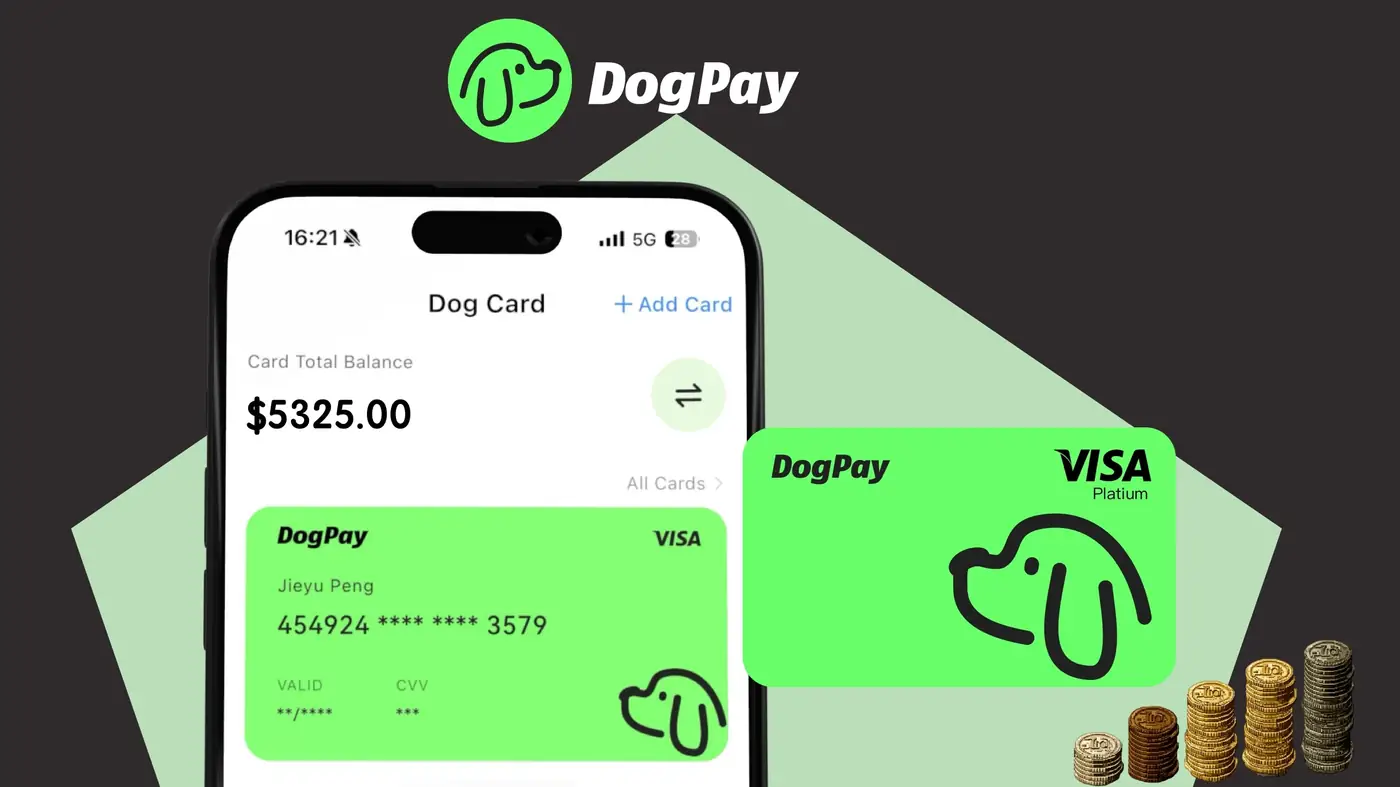
For startups, maintaining control over team spending is crucial, especially as remote and hybrid work expands. DogPay offers a practical solution through corporate virtual cards. Here’s how your startup can use them effectively.
First, you can create dedicated virtual cards for each team member or department. This allows you to set specific spending limits and track expenses in real time. Each card has its own details, making it easier to reconcile charges and identify where funds go.
Second, for recurring subscriptions or vendor payments, consider using a virtual card with a set limit. This reduces the risk of unexpected overages and simplifies budget management. If a vendor changes pricing, you can quickly adjust the card limit or pause it.
Third, when onboarding contractors or freelancers, you can issue a temporary virtual card for a project. Once the project ends, you can deactivate the card, ensuring no further charges occur. This is safer than sharing a single corporate card number.
Additionally, integrating virtual cards with your accounting workflow helps maintain accurate records. While DogPay does not promise automatic sync with third-party tools, you can export transaction data manually to keep your books aligned.
Finally, for cross-border payments, virtual cards can be used where card networks are accepted. DogPay supports stablecoin settlement and global accounts, which can streamline international transactions and reduce currency conversion friction.
With DogPay, you gain a comprehensive payment infrastructure that includes wallet services, card issuance, and stablecoin settlement. This allows startups to manage spend efficiently, with clear visibility and control, all within a single platform.