
How Businesses Use DogPay Webhooks for Reconciliation During Card Setup
 DogPayCard Editorial
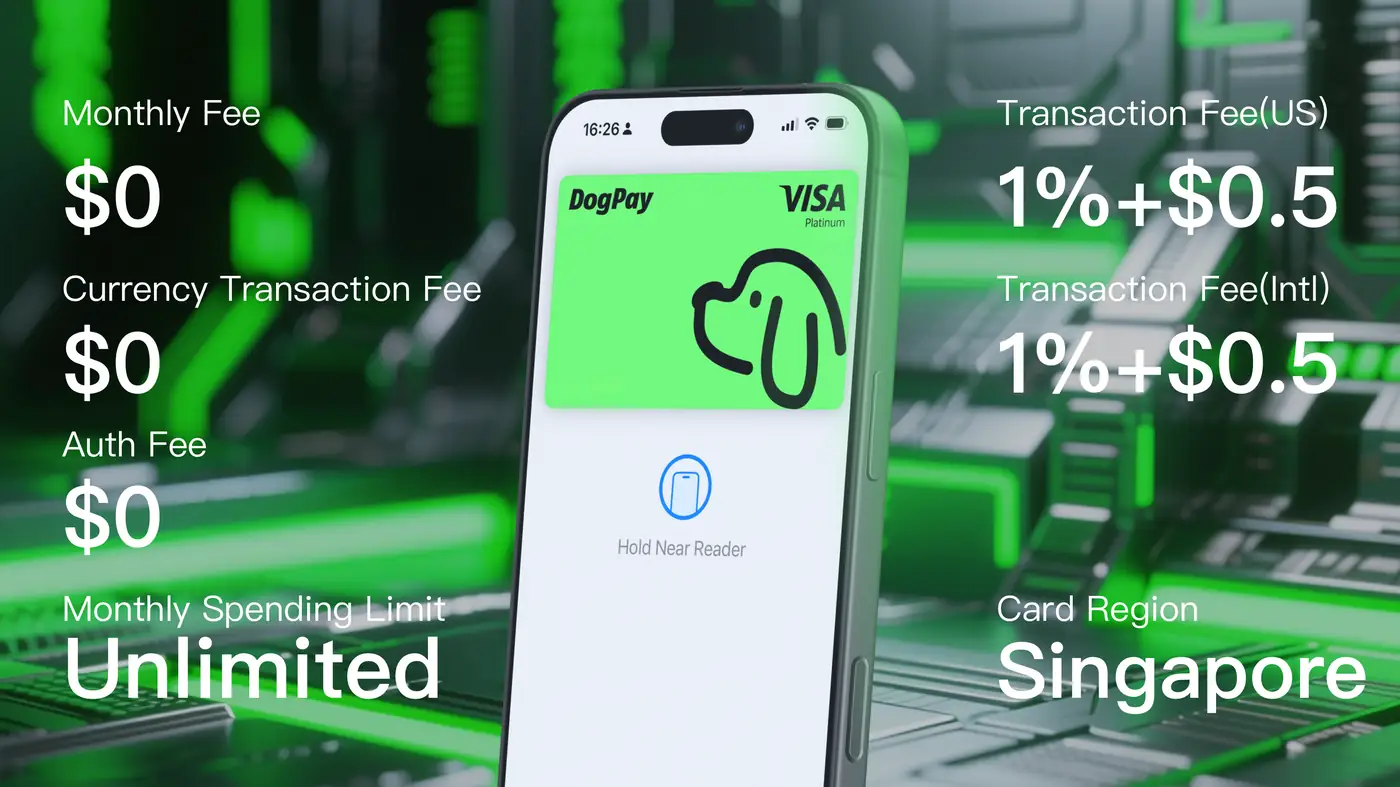
Reconciling card spend is a common challenge for businesses using virtual cards. DogPay webhooks provide a practical solution by delivering transaction events in real time to your backend. When a card transaction is processed, DogPay sends a webhook payload containing details such as transaction ID, amount, currency, merchant, and timestamp. Your system can ingest these payloads to automatically match card spend against purchase orders, budgets, or accounting entries. This reduces manual effort and human error. During card setup, you can configure webhook endpoints for your account. Specify a secure URL where DogPay will send POST requests with transaction data. Handle the events by updating your ledger or reconciliation tool. DogPay supports multiple webhook events including transaction.created, transaction.settled, and transaction.failed. Ensure your endpoint responds quickly and logs events for audit. By integrating webhooks early in your card setup, you establish a reliable reconciliation process that scales with your business spend. DogPay webhooks are ideal for finance teams managing multiple cards, as they enable automated reconciliation without constant manual checks. With DogPay, businesses can use dedicated virtual cards, global accounts, and stablecoin settlement as part of a broader payment workflow. DogPay provides wallet and payment infrastructure, spend visibility tools, and webhook capabilities to support reconciliation and payment operations. This allows teams to focus on growth rather than manual data entry. DogPay does not guarantee automatic reconciliation or integration with all accounting software; it provides the raw transaction data via webhooks for you to process as needed.