
Prepaid vs Virtual Cards for Business: How to Use DogPay
 DogPayCard Editorial
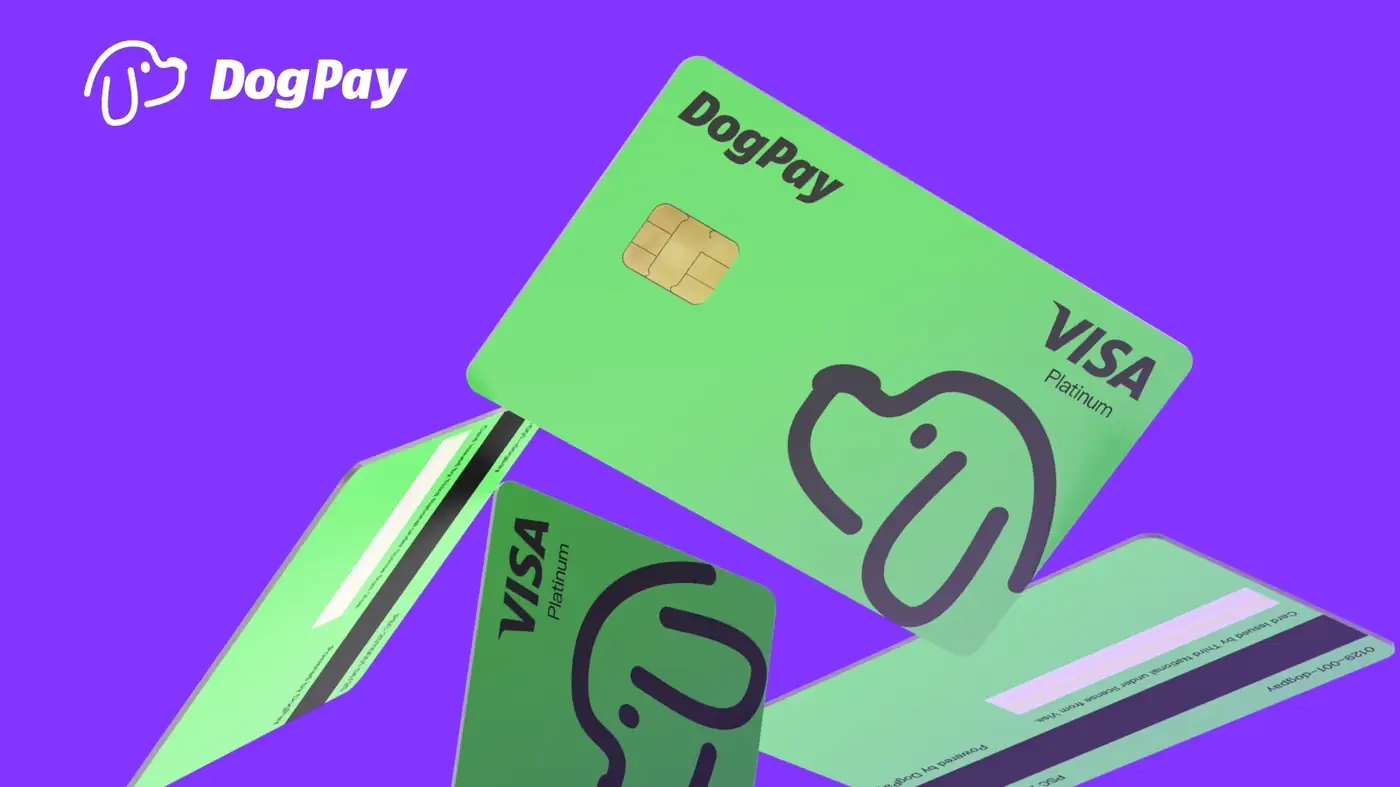
When managing business spending, choosing between a prepaid card and a virtual card depends on your workflow. DogPay offers both, but they serve different purposes.
A virtual card is generated instantly and exists only online. It is ideal for recurring subscriptions, ad platforms, or one-time vendor payments. You can set spending limits per card, which helps control team expenses and reduce the risk of unauthorized charges. Since there is no physical form, virtual cards work well for remote teams and digital-first operations.
A prepaid card, on the other hand, is loaded with funds in advance. It can be used anywhere cards are accepted, including in-person purchases. This is useful for travel, offline expenses, or when a vendor requires a physical card. However, you need to manage the balance carefully to avoid declined transactions.
How should you decide? For online services, software subscriptions, or ad spend, virtual cards offer flexibility and easier control. For physical purchases or situations where a card must be presented, prepaid cards are more practical.
DogPay provides dedicated cards, global accounts, stablecoin settlement, and wallet infrastructure. This setup supports payment operations, spend visibility, and controlled card issuance. While DogPay does not guarantee acceptance or automatic top-ups, the platform can help you streamline workflows with clear card limits and account oversight.
Choose virtual cards for digital and recurring payments, and prepaid cards for offline or one-time needs. With DogPay, you can manage both through a unified system, aligning your payment strategy with your business goals.