
How Startups Can Use DogPay Corporate Virtual Cards for Team Spend
 DogPayCard Editorial
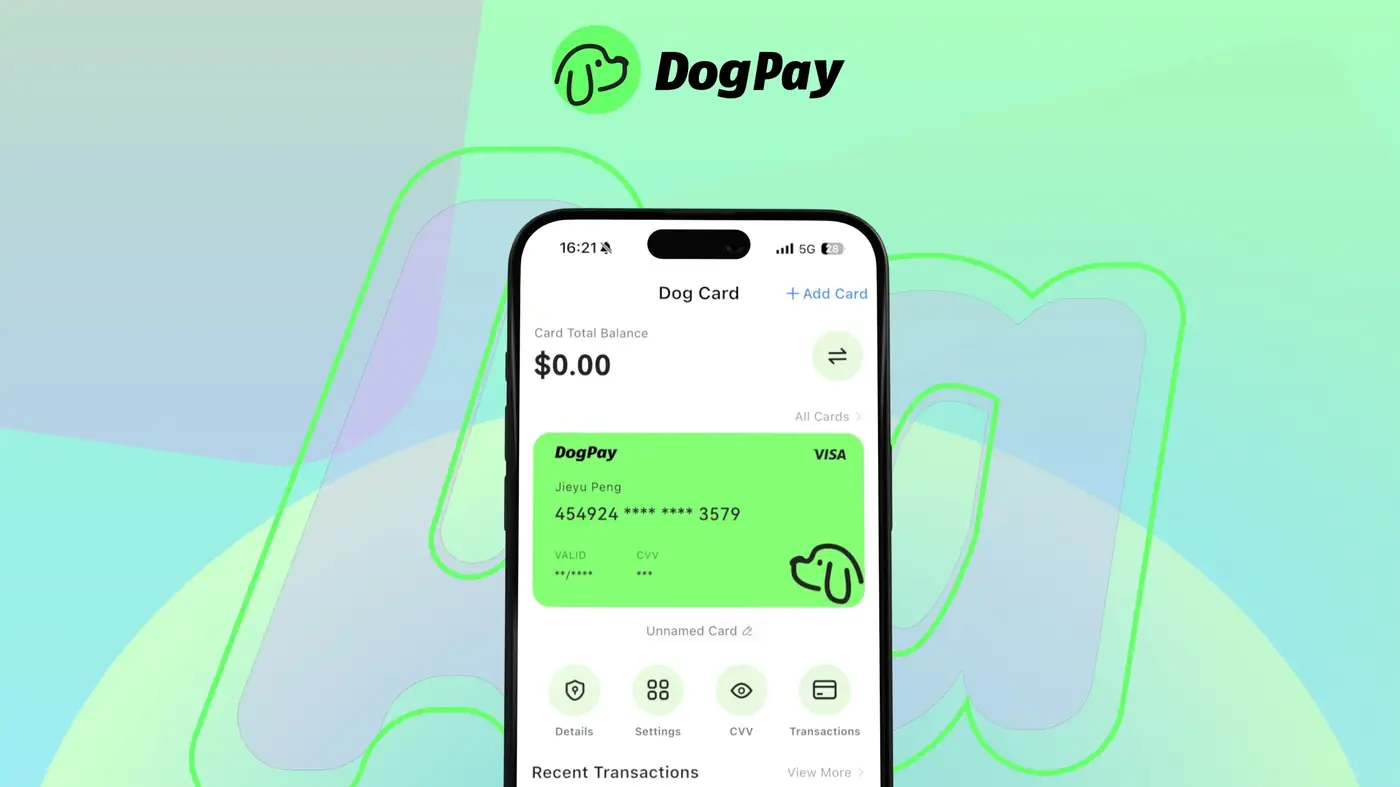
Startups often juggle multiple spending categories—software subscriptions, marketing, travel, and contractor payments. Corporate virtual cards from DogPay can help streamline this process. Instead of sharing a single card, startups can issue dedicated virtual cards for each team member or project. This approach provides clearer spend visibility and helps prevent unauthorized transactions.
DogPay supports stablecoin settlement, which can be useful for startups managing cross-border payments. With DogPay, you can fund a global account and create virtual cards with set limits. This setup is particularly beneficial for teams that need to make recurring payments or ad spend without exposing the main company account details.
One practical use is assigning a virtual card to the marketing team for ad campaigns. You can set a monthly limit, and the card can be paused or closed at any time. Similarly, developers can use virtual cards for cloud services or API costs. This reduces the risk of overspending and simplifies reconciliation.
When using DogPay, keep in mind that card acceptance depends on the merchant, and virtual cards may not work everywhere. Also, DogPay is not a bank, and services are subject to compliance checks. For global spending, stablecoin settlement can reduce some friction, but you should verify that your vendors accept such payments.
DogPay provides the infrastructure—wallets, global accounts, and virtual cards—to support your payment operations. By integrating DogPay into your workflow, you can achieve better spend control and streamline your team's payment processes, all while maintaining flexibility for growth.