
How Can Businesses Use DogPay for Virtual Cards in Global SaaS Payments?
 DogPayCard Editorial
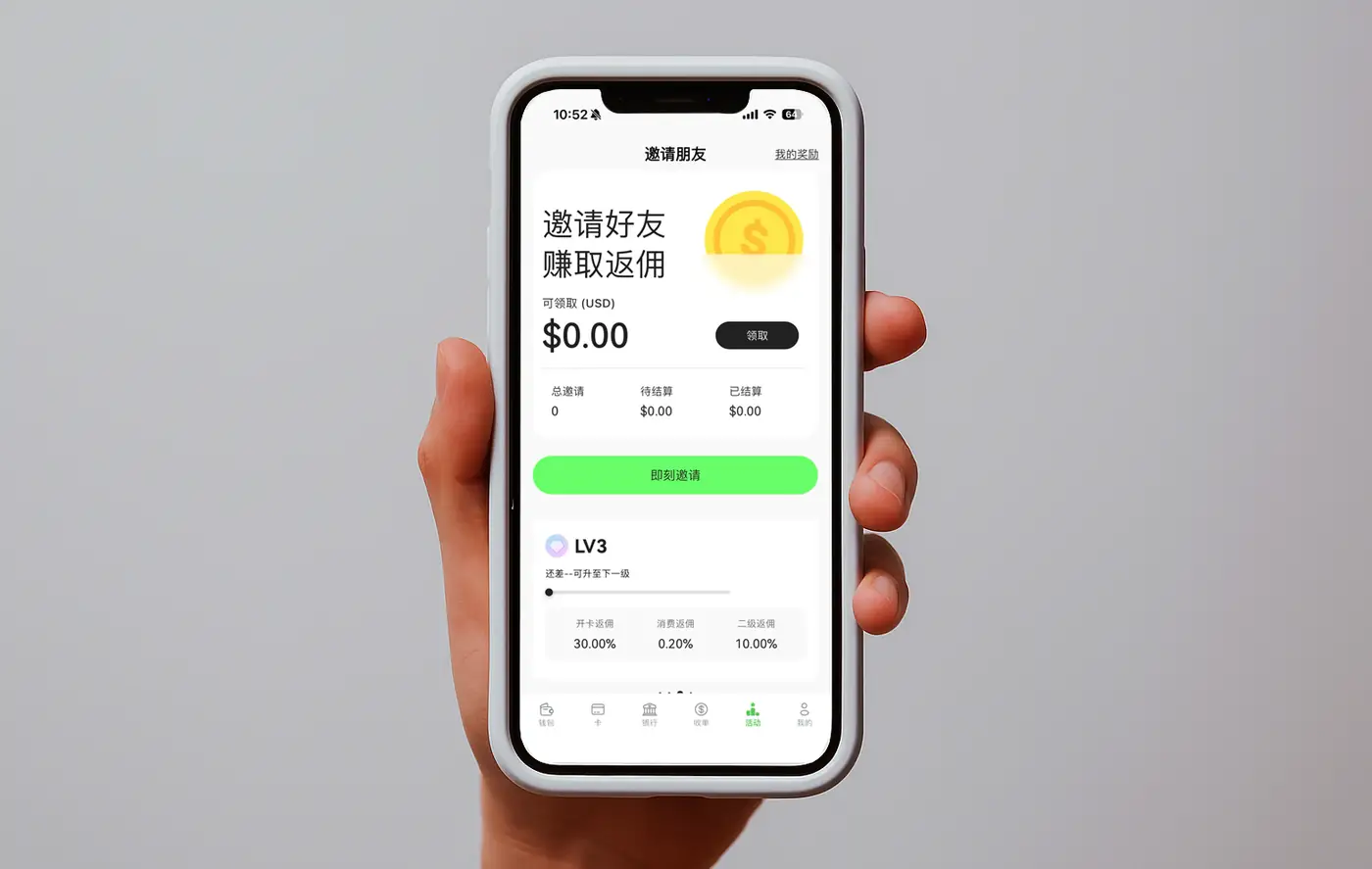
Businesses often ask how they can use DogPay for virtual cards when paying global SaaS tools, cloud providers, ad platforms, and vendors. The short answer is that DogPay can support virtual card workflows designed to separate payment methods by team, vendor, or budget, while keeping transactions visible in one payment operation.
A common approach is to create dedicated virtual cards for specific recurring subscriptions. Instead of sharing one corporate card across many services, finance teams can issue a card per vendor or per department. This can make it easier to see which tool is charging what, and to review spend before renewals. DogPay can help with card setup and spend visibility, but final card approval and merchant acceptance depend on the provider and merchant policies.
For global payments, DogPay can support global accounts and stablecoin settlement in certain workflows. That can help businesses manage cross-border SaaS billing where local card acceptance or currency conversion is a consideration. Teams may use virtual cards for software subscriptions, AI tools, cloud billing, and ad accounts, while keeping the payment method separate from the main operating account.
Operationally, virtual cards can help with reconciliation because each card can be tied to a known purpose. Finance can review statements, match charges to vendors, and pause or replace a card when a subscription changes. DogPay can help with payment operations, but it does not guarantee approval, acceptance, or that a payment will never fail. Businesses should still monitor card status, billing details, and vendor requirements.
DogPay fits into this workflow as payment infrastructure for virtual cards, global accounts, stablecoin settlement, and wallet-based operations. It can help businesses organize SaaS and vendor payments with more control and visibility, while leaving final approval and acceptance to the relevant card network, issuer, and merchant.