
How to Use DogPay Webhooks for Virtual Card Spend Reconciliation
 DogPayCard Editorial
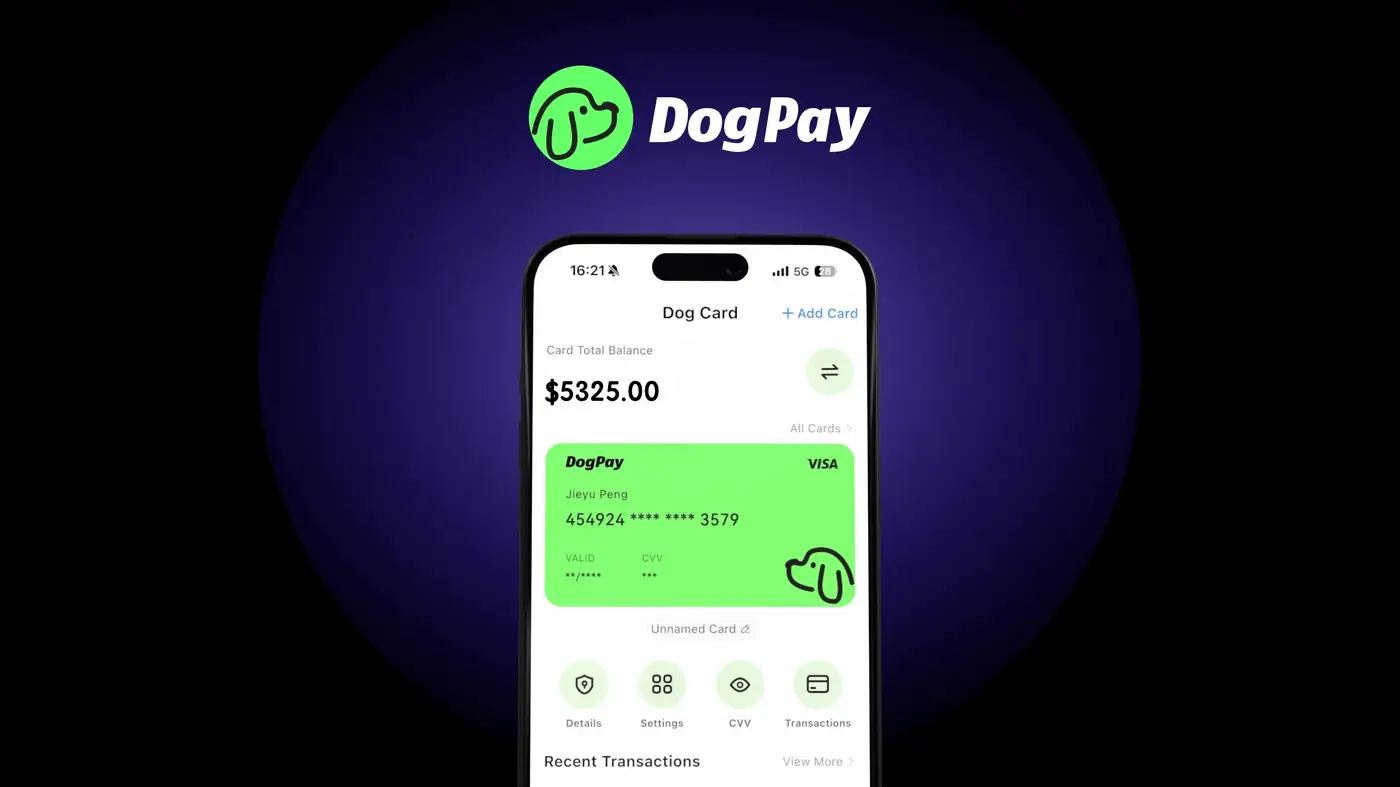
Reconciling virtual card spend can be tedious. DogPay webhooks allow businesses to receive real-time transaction notifications, including authorization, settlement, and refund events. By setting up a webhook endpoint, you can automatically sync transaction details — such as amount, merchant, and timestamp — into your accounting or ERP system. This minimizes manual data entry and errors. To get started, configure a webhook URL in your DogPay dashboard and select the events you want to receive. Your endpoint must respond with a 200 status within 10 seconds to confirm receipt. DogPay retries failed deliveries up to three times. The payload includes transaction ID, card ID, amount in settlement currency, and status. You can map this data to your ledger entries. DogPay supports stablecoin settlement, so amounts may be in USDC or USDT. For multi-currency reconciliation, note the exchange rate applied. Webhooks can also alert you to declines or expired cards, helping you maintain spend visibility. DogPay does not store your accounting data; it simply forwards events. Ensure your endpoint is secure (HTTPS) and validates signatures to prevent spoofing. With DogPay, businesses can streamline payment operations using virtual cards, global accounts, and stablecoin settlement. DogPay provides a wallet and payment infrastructure that gives you spend visibility and control. By leveraging webhooks, you can integrate transaction data into your existing workflows, making reconciliation efficient and reliable.