
Virtual Card vs Prepaid Card: How Does DogPay Help Businesses Control Spend?
 DogPayCard Editorial
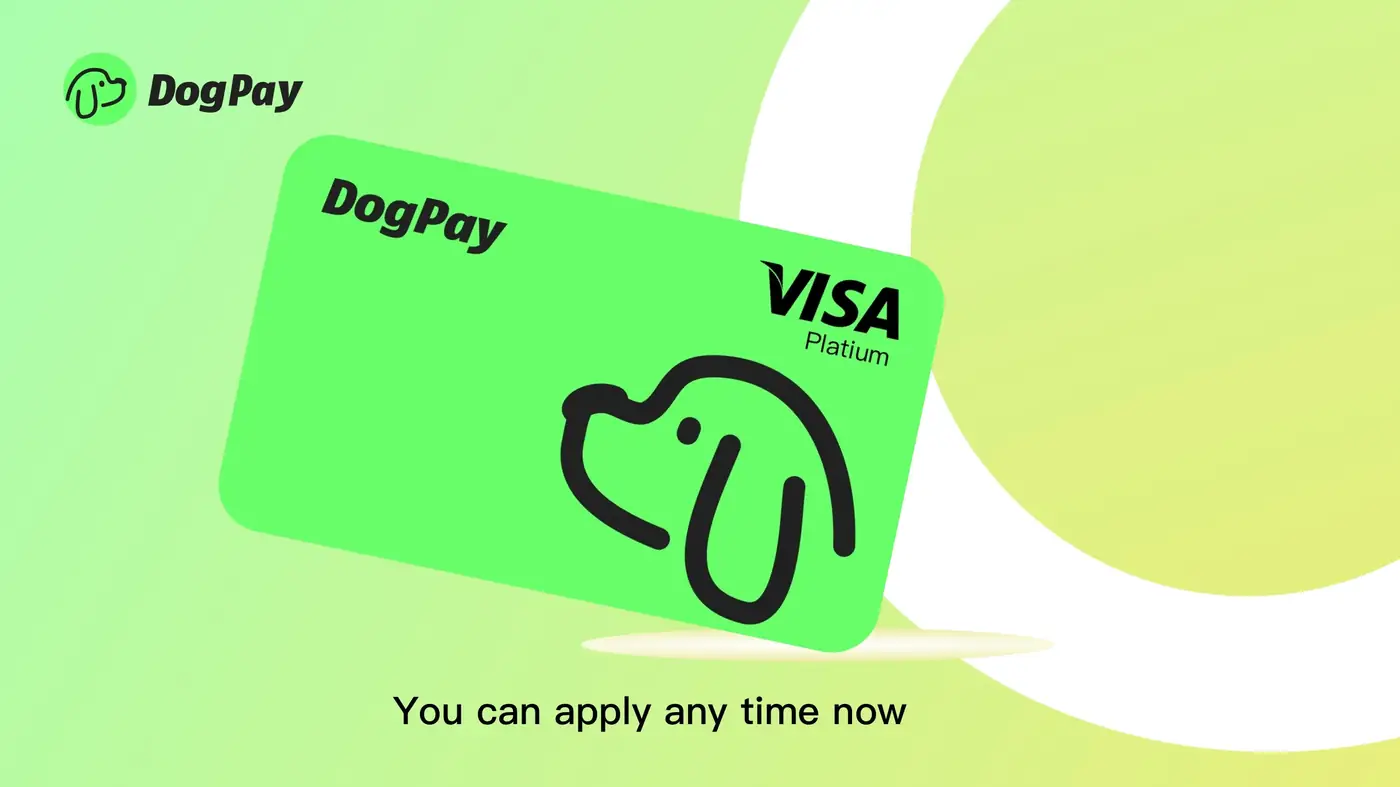
Businesses often choose between virtual cards and prepaid cards for controlling spend. DogPay offers both options, each suited for different scenarios.
Virtual cards are digital, created instantly for online transactions. They can be single-use or limited to specific merchants or amounts, which helps prevent overspending and fraud. Virtual cards are ideal for ad spend, software subscriptions, and remote team purchases where a physical card isn't needed.
Prepaid cards are physical or virtual cards loaded with a preset balance. They limit spending to the loaded amount, making them useful for travel, events, or employees without access to digital wallets. Prepaid cards can be used at point-of-sale terminals and ATMs.
Key differences: Virtual cards are typically generated on demand, offer more granular controls, and integrate with procurement systems. Prepaid cards require upfront balance loading and are less flexible for dynamic spending. Virtual cards reduce card clutter and can be deactivated immediately. Prepaid cards are more suitable for offline environments.
DogPay helps businesses issue virtual cards and prepaid cards linked to global accounts funded by stablecoins or fiat. With real-time spend visibility and role-based permissions, companies can allocate budgets per team or project. DogPay's infrastructure supports card issuance, wallet management, and settlement, enabling businesses to choose the card type that fits their workflow without requiring bank integration.
For teams needing both online and in-person spend, using virtual cards for digital purchases and prepaid cards for physical transactions can provide comprehensive control. DogPay's platform allows managing both from a single dashboard.