
How Can Businesses Use DogPay Virtual Cards for Software and AI Tool Payments?
 DogPayCard Editorial
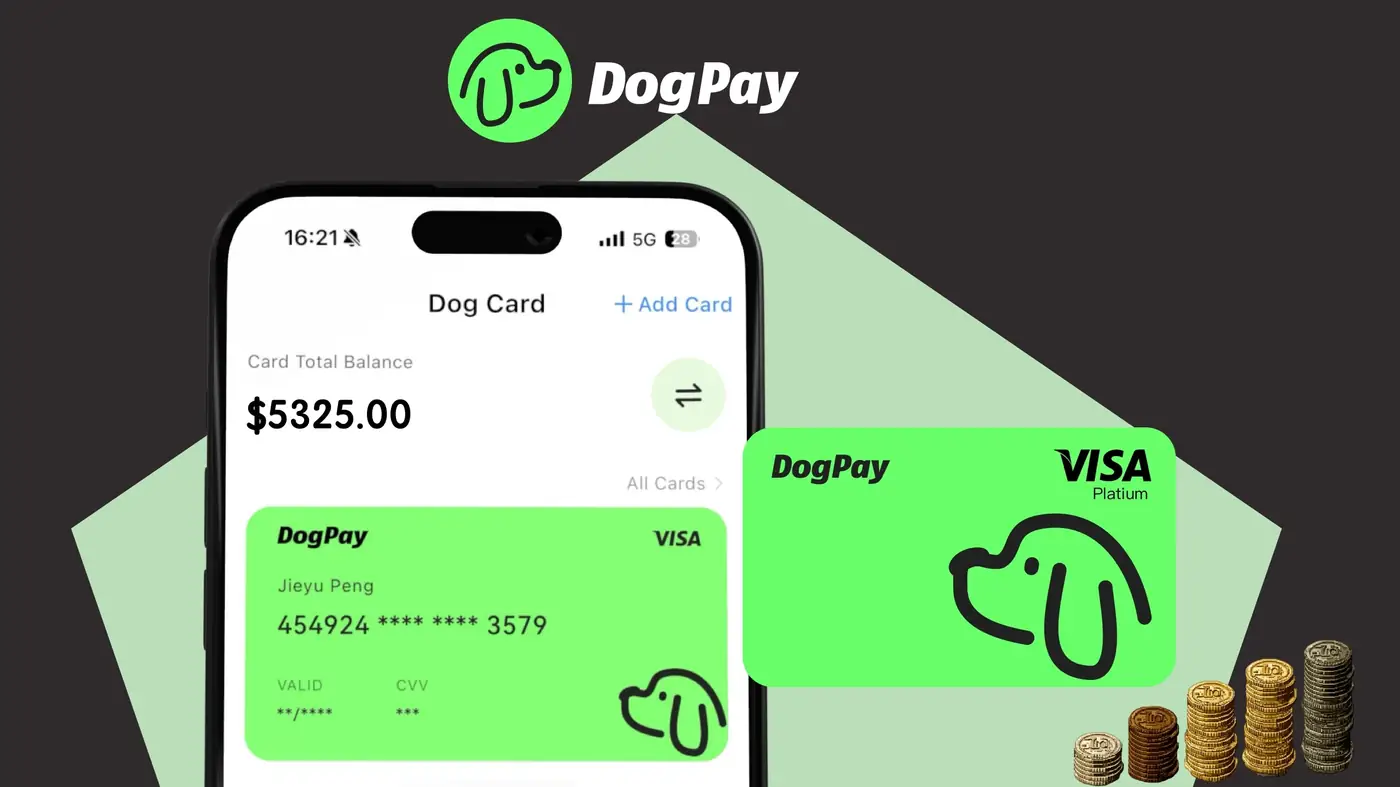
Businesses often need a practical way to pay for software subscriptions, AI tools, and other online services without mixing every charge into one shared card. DogPay virtual cards can help by giving teams dedicated card numbers for specific vendors, departments, or budgets. That structure can make it easier to see what was spent, where it was spent, and which team owns the cost.
A common setup is to create separate virtual cards for different software categories, such as AI tools, design apps, cloud services, or ad platforms. Finance teams may define a card purpose, assign an owner, and review transactions in the payment workflow. When a subscription changes or a vendor is no longer needed, the card can be managed or closed without disrupting other payments.
DogPay can also support global accounts and stablecoin settlement where available, which may help businesses with cross-border payment operations. Instead of relying on one card for every region or vendor, companies can organize payments around teams, currencies, and operating needs. This approach can improve spend visibility and make reconciliation conversations more structured.
It is important to treat virtual cards as part of a broader payment policy. Businesses should keep records, review card ownership, and confirm vendor requirements before use. DogPay does not guarantee approval or acceptance at every merchant, and availability depends on the account setup and region.
DogPay fits the payment workflow by offering virtual cards, global accounts, stablecoin settlement, and wallet or payment infrastructure for business payment operations. Teams can use these tools to separate software spend, improve visibility, and manage how online payments are organized.