
When Should Your Business Pick a DogPay Virtual Card Over a Prepaid Card?
 DogPayCard Editorial
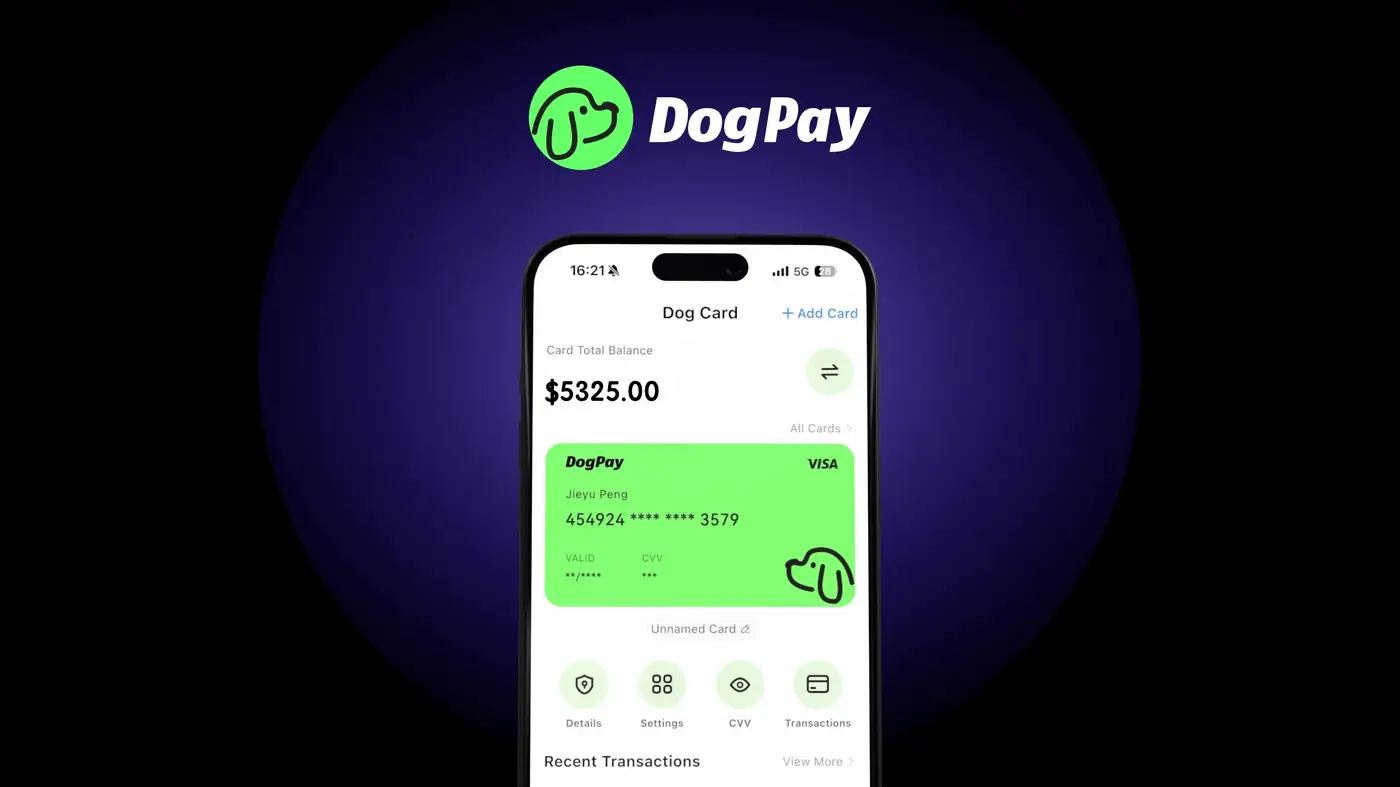
Businesses often compare DogPay virtual cards and prepaid cards when planning payments. The choice depends less on the card type and more on the spending context and workflow. Virtual cards are generated digitally and are typically linked to a funding account. They suit scenarios where you need a distinct card number for a specific vendor, subscription, or project. You can set spending limits and pause or close the card without replacing plastic. This works well for recurring SaaS bills, ad accounts, or contractor expenses, where you want clear attribution and control. Prepaid cards are funded in advance and can be either physical or virtual. They can help with budget isolation—you load a set amount for a trip, event, or department. However, they require manual top-ups and may not support certain transaction types, like refunds to the original funding source. DogPay supports both virtual and physical card issuance for business use. Virtual cards are useful for online and recurring payments, while physical cards can help with in-person purchases or travel. The underlying infrastructure enables you to manage card inventory, set controls, and see transaction data in one place. Your choice should align with how your team pays. If you want to prevent overspending on a one-off budget, a prepaid card might help. If you need to manage many ongoing subscriptions or vendor relationships, virtual cards offer granular control and easier reconciliation. DogPay fits into your payment stack by providing dedicated cards, global accounts, and stablecoin settlement options. It helps bridge traditional card payments with modern wallet and payment infrastructure. While DogPay can improve visibility and control, outcomes depend on your specific workflows and the merchant's acceptance. Always verify that your intended use cases are supported.