
SaaS Payment Card Declined? How Can Businesses Use DogPay to Respond?
 DogPayCard Editorial
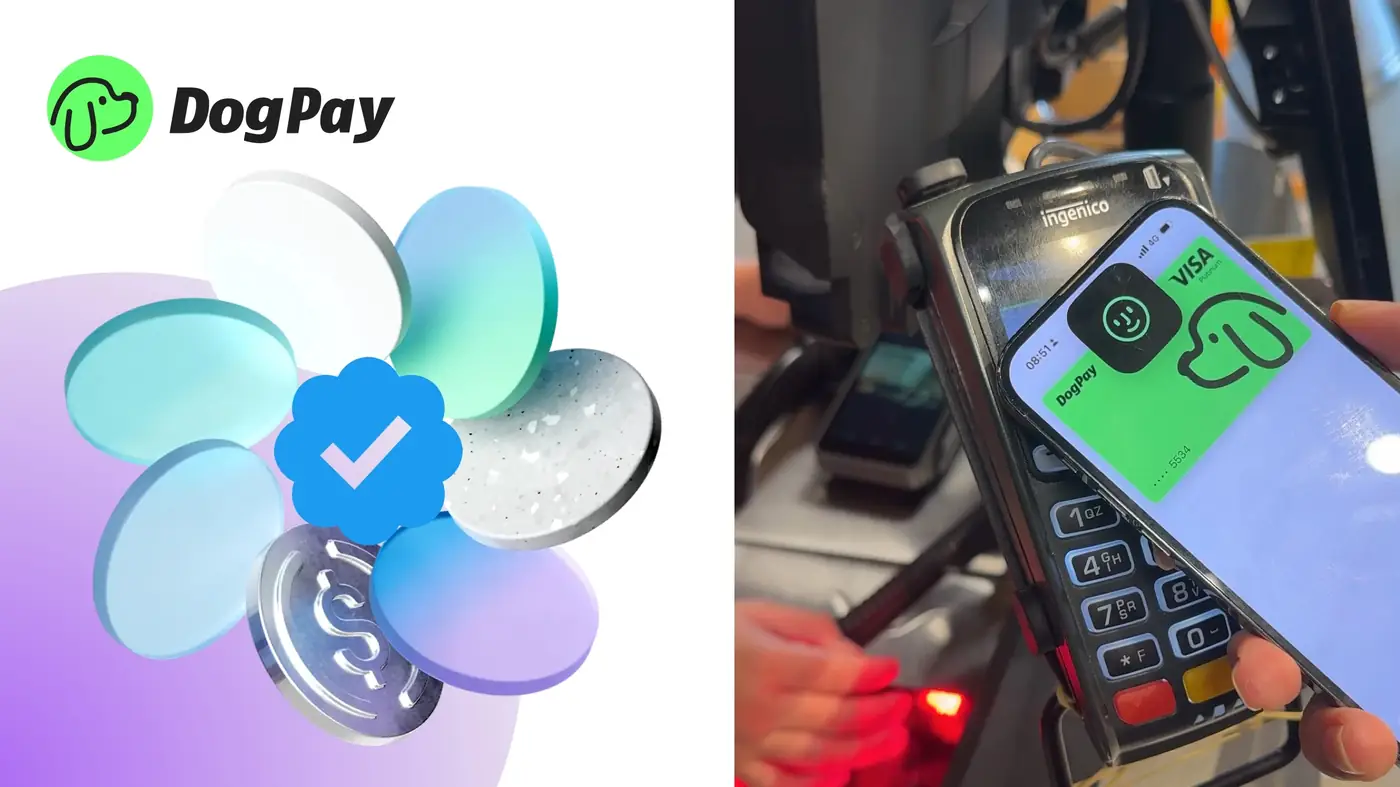
A SaaS payment card decline often happens at the worst time: a renewal date, an ad invoice, or a monthly vendor charge. The first question is practical: what can a business do next to keep operations moving while it investigates the decline?
Start by separating the cause from the cure. Declines can come from issuer rules, regional restrictions, mismatched billing details, or a card that no longer fits a vendor's payment flow. DogPay can help businesses respond by giving finance teams dedicated virtual cards for specific vendors or categories, so one declined card does not automatically disrupt unrelated subscriptions.
With DogPay, businesses can use virtual cards and global accounts to organize how they pay international SaaS vendors. Stablecoin settlement and wallet/payment infrastructure can support cross-border payment operations, while spend visibility helps teams see which cards are tied to which services. That makes it easier to replace a card, review limits, or adjust a payment method for a specific vendor.
A practical workflow looks like this: confirm the vendor still expects payment, check whether the decline is card-specific or account-specific, then assign a dedicated DogPay virtual card with appropriate limits and billing details. If the vendor is outside your usual banking region, a global account or stablecoin settlement route may fit the payment operations better than a single legacy card.
No setup removes every decline risk, and vendors set their own acceptance rules. DogPay can help with dedicated cards, global accounts, stablecoin settlement, wallet/payment infrastructure, spend visibility, and payment operations, giving teams more control when a SaaS card declines.