DogPayCard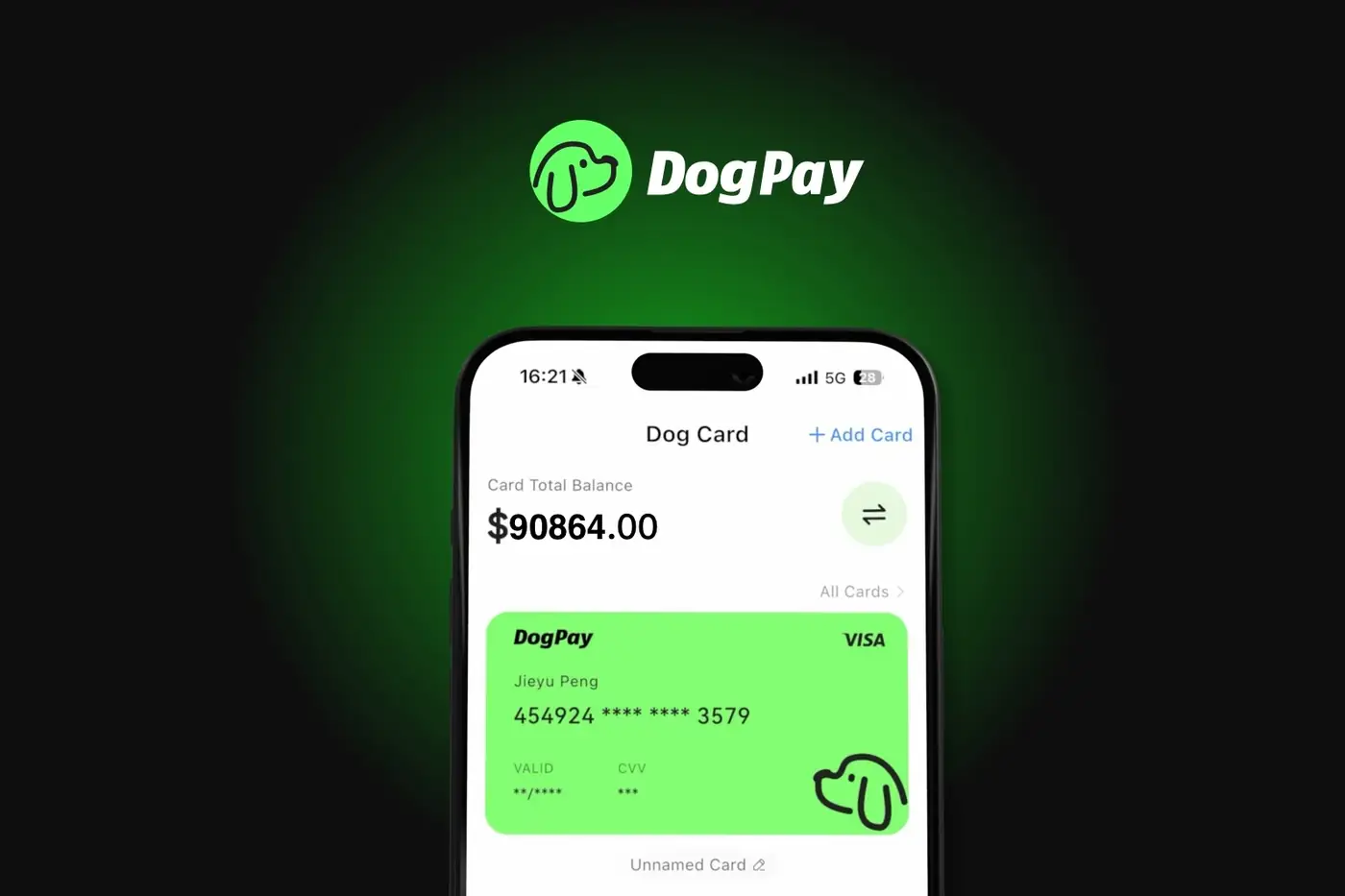
Businesses increasingly need to spend digital assets for everyday purchases like software subscriptions, cloud services, and marketing spend. DogPay enables companies to convert crypto into fiat-equivalent spending power through virtual cards that work where Visa or Mastercard are accepted.
To start, a business funds a DogPay wallet with supported cryptocurrencies or stablecoins. The wallet supports multiple blockchain networks for deposit. Once funds are credited, the business can create virtual cards with custom limits, merchant category restrictions, and expiration dates. Each card can be assigned to a specific team member or department for better spend visibility.
When a payment is made, DogPay processes the transaction using stablecoin settlement behind the scenes. The merchant receives fiat currency, while the business spends from its crypto balance. This eliminates the need for manual exchange or pre-funded fiat accounts.
DogPay provides a dashboard where finance teams can view transaction history, card usage, and remaining balances in real time. Cards can be frozen or adjusted instantly. This setup helps businesses manage global SaaS spend, ad campaigns, and operational expenses without opening traditional bank accounts in multiple countries.
DogPay fits into the payment workflow by offering dedicated virtual cards, multi-currency global accounts, stablecoin settlement, wallet infrastructure, spend reporting, and payment operations management. It is designed for teams that hold crypto and need a compliant way to spend it for business purposes. No banking license or accounting integration is required from the user side. The platform focuses on card issuance, wallet functionality, and transparent fee structures for crypto-to-fiat conversion at point of sale.