
How Can Businesses Use DogPay for Global SaaS Payments and Better Spend Control?
 DogPayCard Editorial
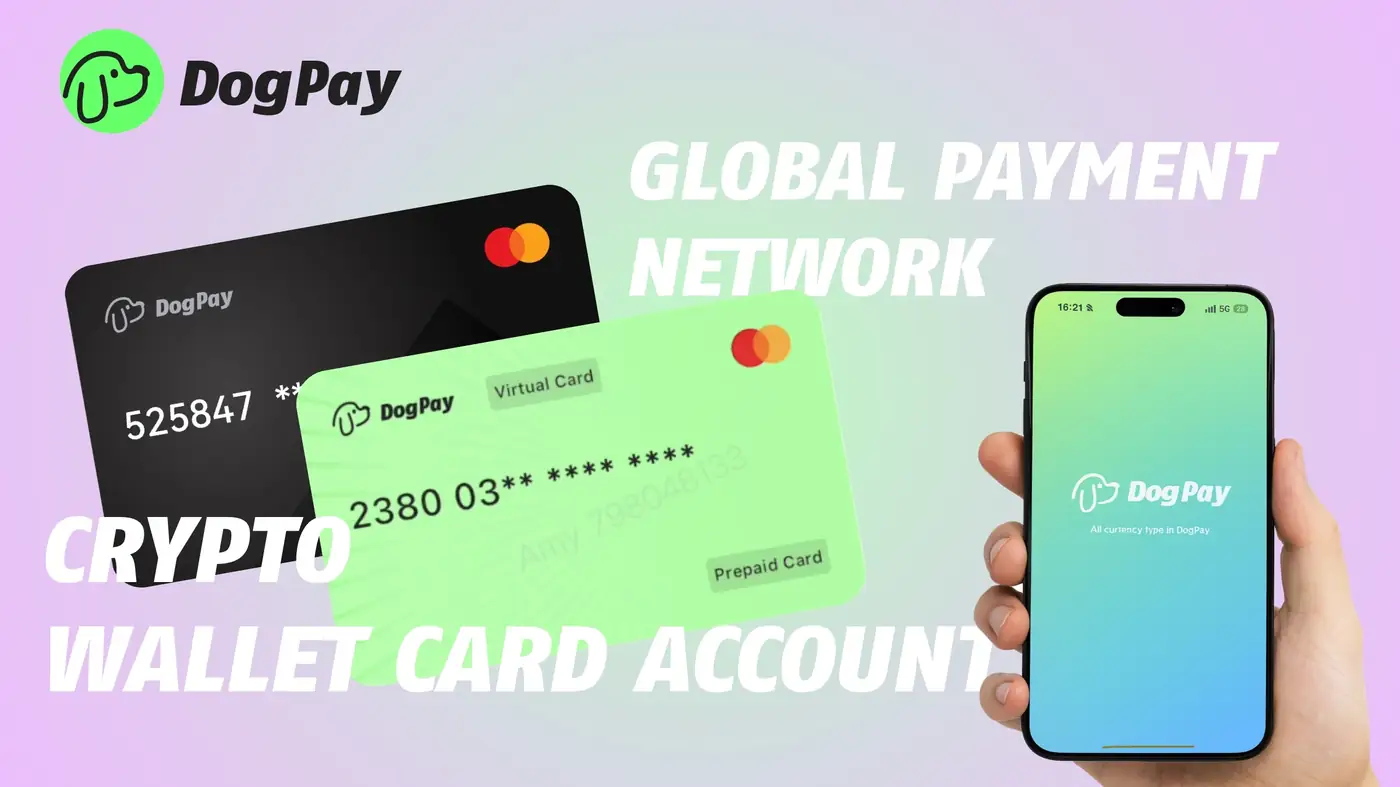
Global SaaS payments get messy when one card covers every subscription and owner. A practical approach is to use DogPay to create dedicated payment cards or accounts for specific software, teams, or cost centers. Each card can be tied to a clear purpose, such as design tools, AI subscriptions, cloud services, or advertising platforms. That separation makes spend easier to review because charges map to a known owner instead of a shared pool.
DogPay can help with card issuance, global accounts, wallet and payment infrastructure, and stablecoin settlement where supported. Finance teams can define who uses which card, set internal limits or approval steps, and collect receipts or notes against each SaaS renewal. Because SaaS billing often happens in different currencies and billing cycles, a global account structure can reduce the friction of routing payments through one local card or bank.
For ongoing control, treat each subscription as a small vendor record. Track the renewal date, expected amount, card used, and business owner. When a tool is cancelled or a trial ends, the associated card can be paused or closed so the charge does not continue unnoticed. This is spend control through visibility and process, not a promise that every merchant or charge will behave perfectly.
DogPay fits the payment workflow by giving teams a way to issue payment credentials, separate budgets, and view activity across global SaaS tools. It supports payment operations and spend visibility, while final acceptance depends on the merchant, card network, and region. Used with clear internal rules, DogPay can be part of a more controlled global SaaS payment setup.