
How Can Businesses Use DogPay for Virtual Cards Without Losing Spend Control?
 DogPayCard Editorial
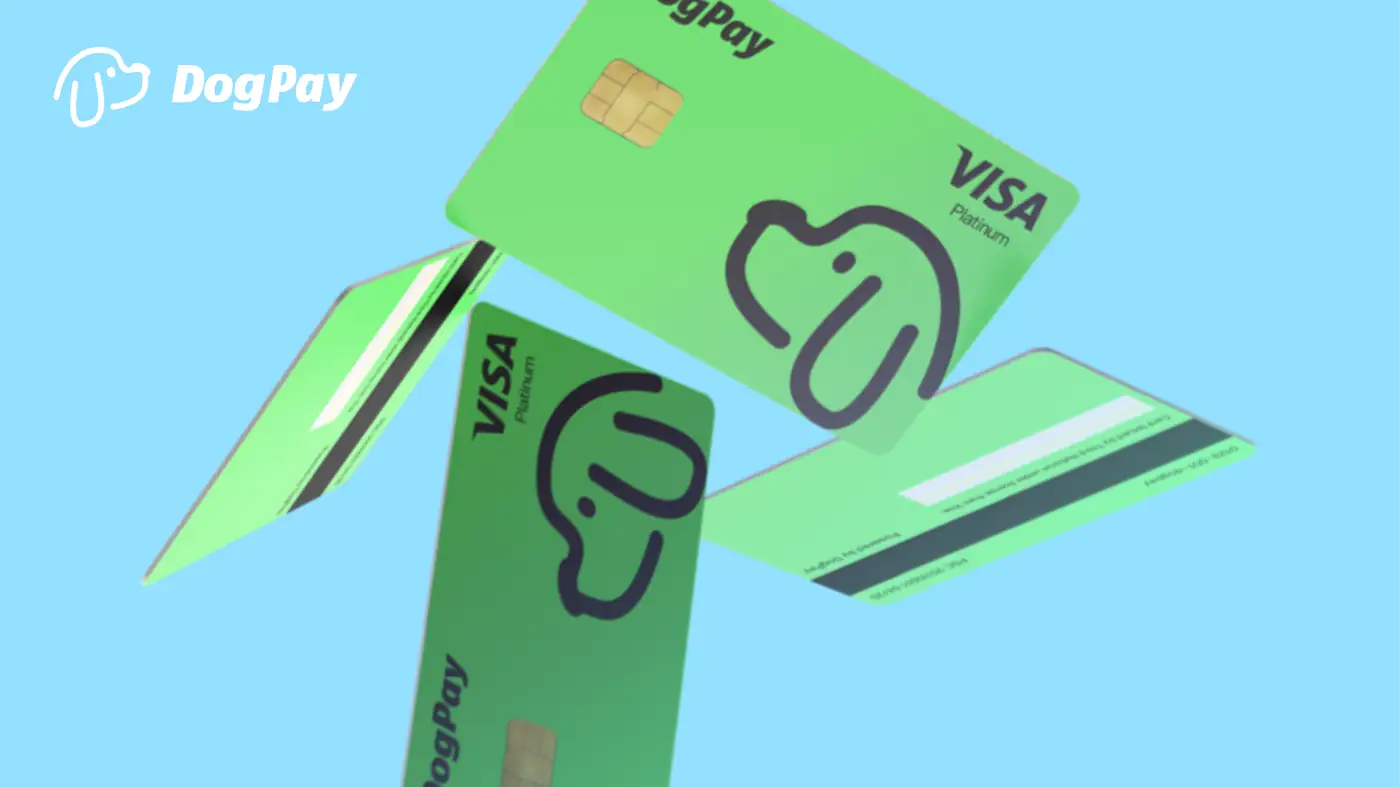
Businesses often need a payment method that can be issued per team, per vendor, or per subscription without exposing the main corporate account. DogPay virtual cards are designed for that kind of practical spend management.
A common workflow starts with setting up a DogPay account and funding it through supported methods, which may include stablecoin settlement where available. From there, an admin can create virtual cards, assign them to specific people or projects, and define spending limits or usage rules that fit the company policy.
For online software and AI tools, a dedicated virtual card can make it easier to separate recurring charges from one-off purchases. If a vendor changes its billing terms or a card is no longer needed, the business can pause or close that card without disrupting other payments.
Global accounts can help teams pay international vendors where local card acceptance may vary. Stablecoin settlement can support faster movement of funds between supported wallets and accounts, while wallet and payment infrastructure keeps the operational side in one place.
Spend visibility is another reason teams use virtual cards. Transaction records can be reviewed by card, team, or vendor, which supports reconciliation and budget reviews. This does not replace accounting software by itself, but it can make the raw payment data easier to collect and organize.
DogPay can help businesses create dedicated virtual cards, manage global accounts, use stablecoin settlement where supported, and maintain spend visibility across payment operations. Approval and acceptance depend on the provider, region, and merchant, so teams should review the current terms before relying on any specific workflow.