
How can businesses use DogPay for virtual card payments in daily spend?
 DogPayCard Editorial
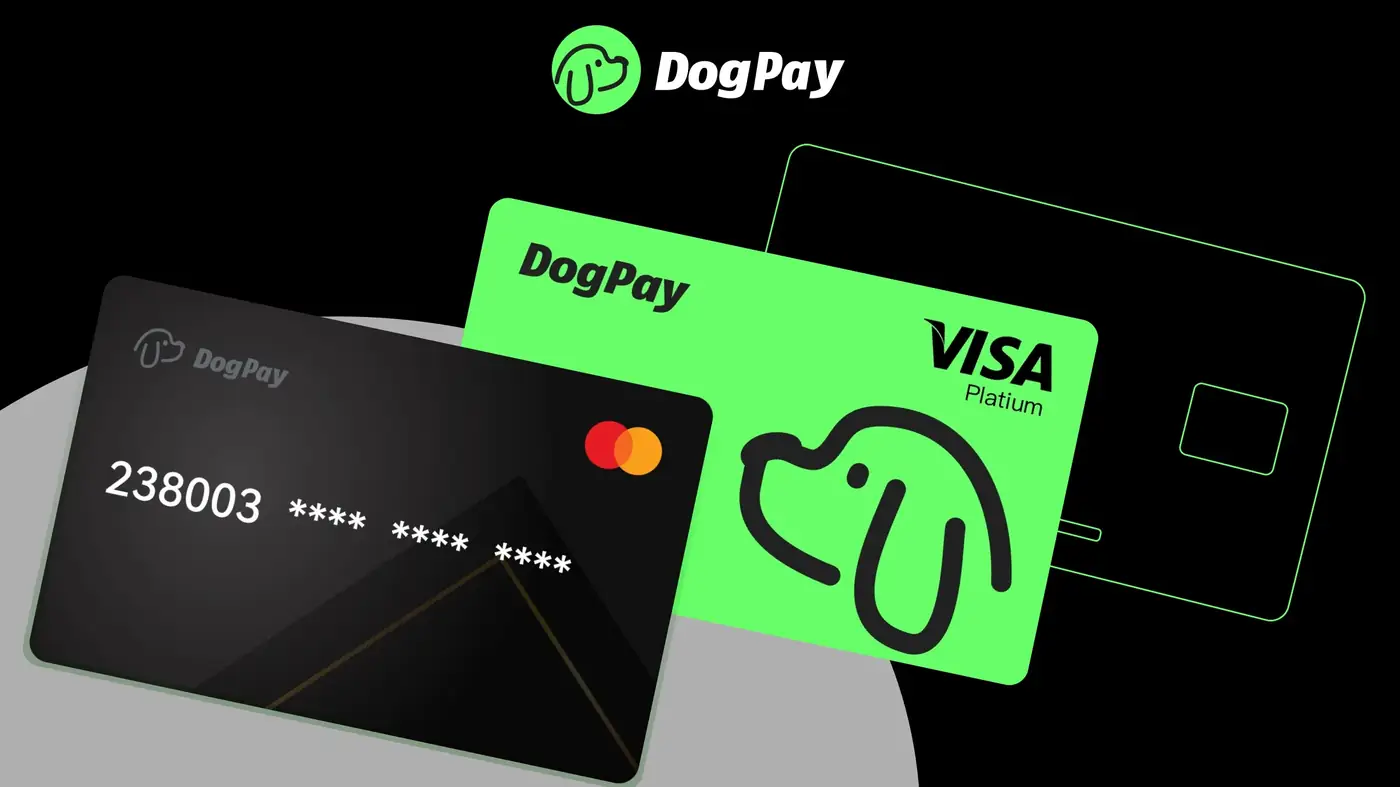
Businesses often need a simple way to pay for software, subscriptions, ads, and vendor invoices without mixing every charge on one shared corporate card. DogPay virtual cards can help teams create dedicated card details for a specific use case, such as a monthly SaaS subscription, a cloud service, a contractor payment, or a small ad test. That separation can make spend easier to review because each card is tied to a defined purpose instead of a generic company card number.
A practical setup usually starts with defining who owns the spend. Finance or operations can issue a virtual card for a team, project, or vendor, then share only the details needed for that payment. When the subscription renews or the vendor changes, the team can review the card activity instead of searching across multiple statements. DogPay can help with global accounts, stablecoin settlement, wallets, and payment infrastructure, so businesses can manage cross-border payment workflows with more visibility. It does not guarantee approval or merchant acceptance, and card acceptance depends on the merchant and payment network.
For daily operations, businesses can use DogPay virtual cards to support recurring billing, one-off vendor payments, and online software purchases. Teams can keep card details separate for different tools, which may reduce confusion when reconciling spend. If a card is no longer needed, the business can review and adjust that card rather than leaving an open payment method. This approach supports spend control without claiming that every payment will succeed.
DogPay fits into the payment workflow by giving businesses a way to issue virtual cards, manage global accounts, and use stablecoin settlement where supported. It can help with spend visibility and payment operations for teams that need more structure around online payments. Businesses should still review their own compliance, accounting, and vendor requirements before adopting any payment method.