
How Can Businesses Use DogPay for Virtual Cards in Real Payment Workflows?
 DogPayCard Editorial
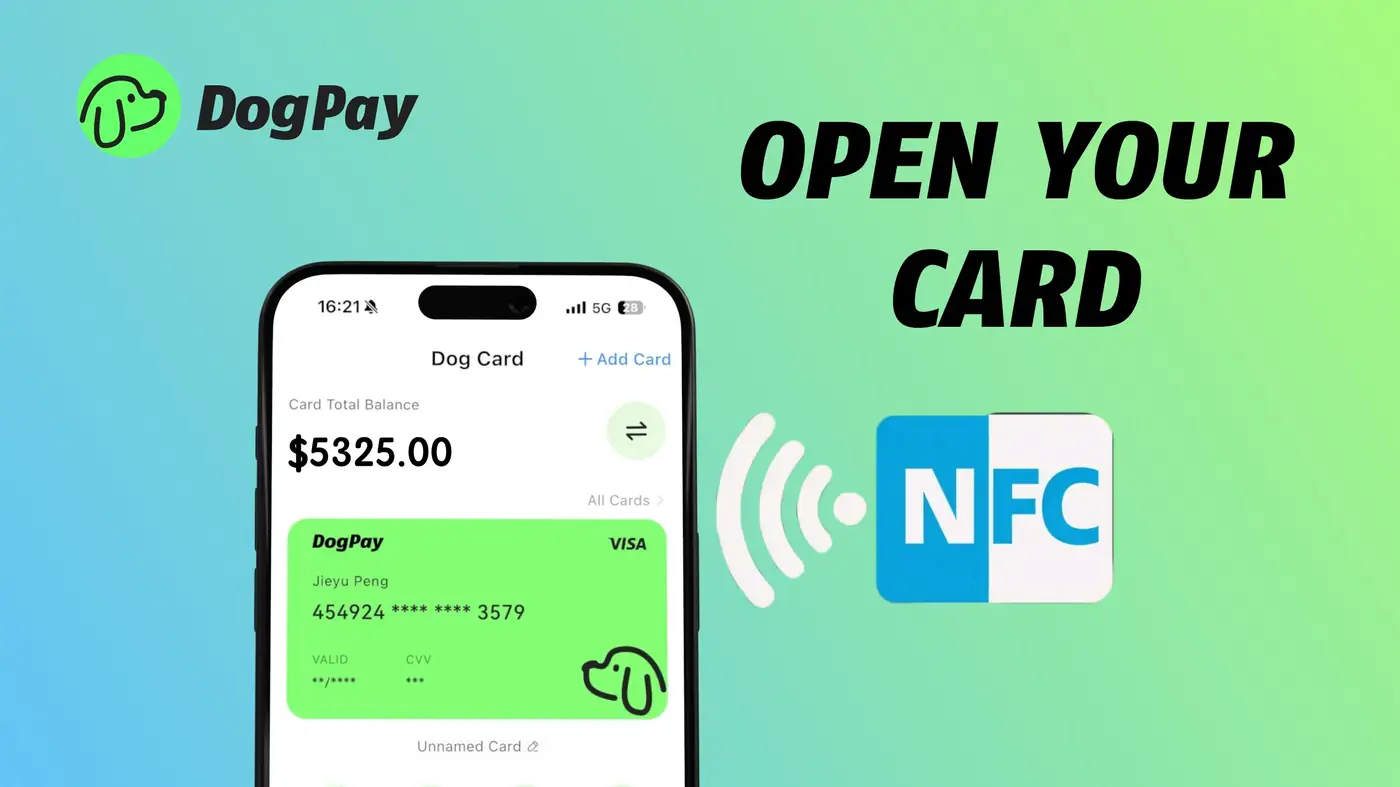
Businesses often need a practical way to pay for software, ads, contractors, and internal tools without mixing every charge into one shared card. DogPay can help by supporting virtual cards, global accounts, stablecoin settlement, wallet and payment infrastructure, and payment operations.
A common approach is to create dedicated virtual cards for specific purposes, such as one card for cloud hosting, one for AI tools, or one for a department. This can make spend visibility easier because each card maps to a clear owner, budget, or vendor category. Finance teams can review card-level activity instead of untangling a single combined statement.
For recurring billing, a dedicated card can reduce the chance that an unrelated charge affects the same payment method. When a subscription changes or a card needs review, teams can isolate the issue more quickly. DogPay can help with card setup and spend controls, but approval and acceptance depend on the provider, merchant, and region.
For global payments, businesses may use virtual cards alongside global accounts and stablecoin settlement where supported. This can simplify cross-border payment operations, though teams should still confirm availability, compliance requirements, and merchant rules.
Practical steps: define who owns each card, set limits where available, label cards by purpose, review transactions regularly, and keep records for reconciliation. DogPay can fit into this workflow as a payment infrastructure layer for virtual cards, spend visibility, and day-to-day payment operations.