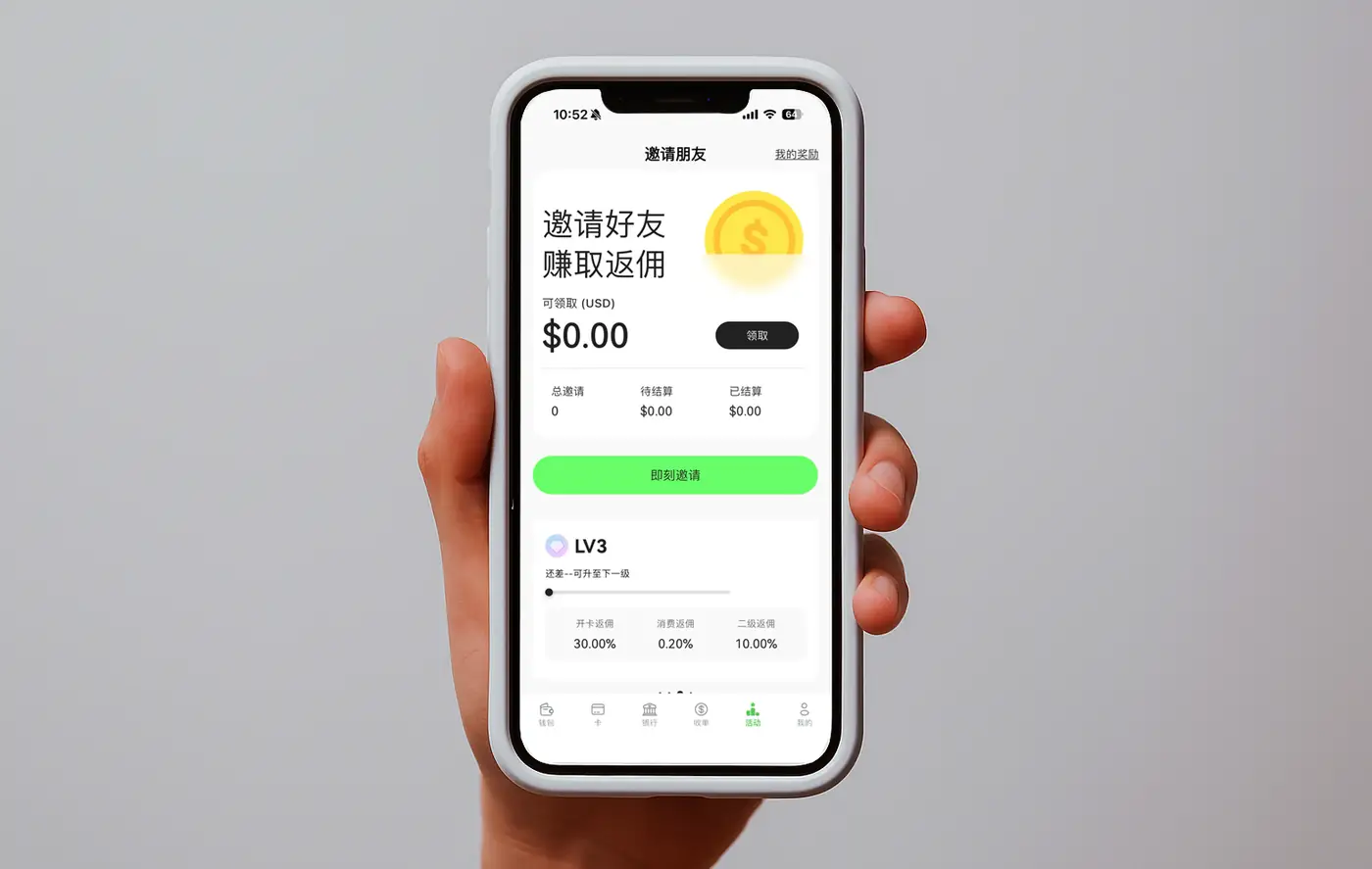
For businesses holding USDT, turning crypto into everyday spending power can be challenging. DogPay offers a practical path: funded virtual cards that work like traditional cards for online purchases, subscriptions, and vendor payments. Here is how it works. First, you open a DogPay global account and deposit USDT. DogPay supports stablecoin settlement, meaning your USDT is used to back card transactions. Next, you create virtual cards with custom limits and spending controls. Each card gets its own details, so you can assign cards to specific teams or purposes. When you pay a vendor or buy ad space, the card deducts from your USDT balance. This setup can help businesses streamline operations: you avoid converting crypto to fiat through multiple exchanges, and you keep spending in one place. DogPay provides visibility tools, letting you track transactions and manage limits. While DogPay does not guarantee acceptance at every merchant, virtual cards are widely usable for online transactions. For cross-border teams, this removes some friction of traditional banking. Remember, you still need to handle compliance and report transactions as required by your jurisdiction. In summary, DogPay can help businesses connect USDT holdings to practical card spending, supporting global operations with stablecoin efficiency. DogPay is a payment platform that offers dedicated virtual cards, global accounts, and stablecoin settlement. It helps businesses manage spend with wallet infrastructure and payment operations. For teams exploring USDT-based spending, DogPay can serve as a bridge between crypto assets and everyday business payments.
Virtual Cards / 5 min read
Business Guide: Using USDT to Fund Virtual Cards with DogPay
Learn how businesses can use DogPay to convert USDT into spendable virtual cards for global expenses, vendor payments, and ad spend, with practical steps and considerations.

DogPayCard Editorial