
SaaS Payment Card Declined? How Can Businesses Use DogPay to Keep Paying?
 DogPayCard Editorial
A SaaS card decline often happens at the worst time: a subscription renewal, a seat expansion, or a monthly invoice. The cause may be issuer rules, regional restrictions, insufficient balance, or risk controls. Businesses need a practical response, not panic.
First, identify the decline reason. Check the merchant portal, your card issuer, and your billing profile. Confirm the card is active, the billing address matches, and the currency is supported. If the decline repeats, using a different payment method can help you keep the subscription active while you resolve the issue.
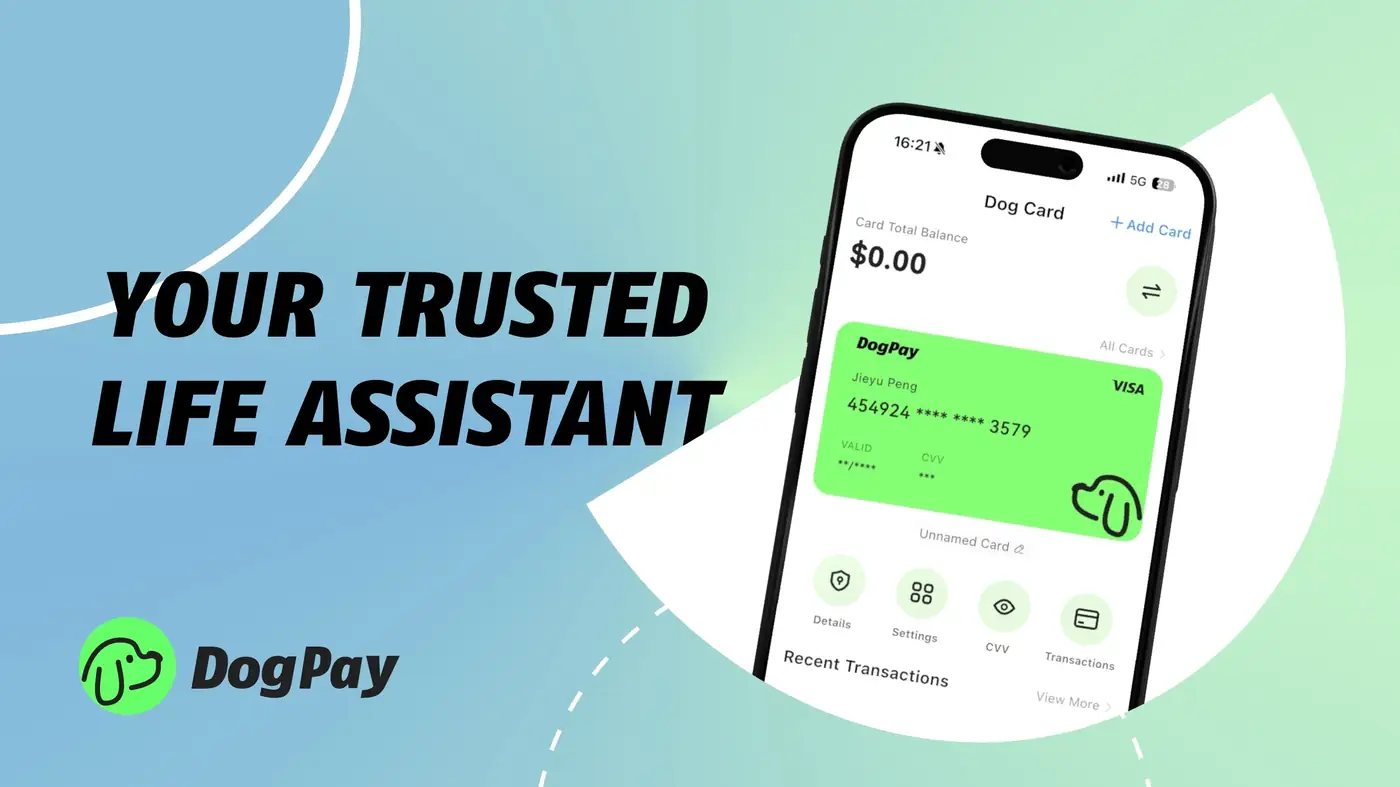
This is where DogPay can fit. DogPay provides virtual cards and global account infrastructure that businesses can use for online payments and subscription spend. A dedicated virtual card can be assigned to a specific SaaS vendor, which may make it easier to track recurring charges and isolate payment methods. If a card is declined, you can review the card settings, balance, and vendor requirements before trying another card.
DogPay also supports stablecoin settlement and wallet/payment infrastructure. For businesses with cross-border vendors, this can help reduce friction when traditional card routes are unavailable or slow. You can hold funds in a global account, convert or settle as needed, and use payment operations tools to monitor spend.
For continuity, keep a backup payment method and maintain enough balance. DogPay can help with spend visibility, so finance teams can see which SaaS tools are charged to which cards. This makes it easier to spot failed payments and respond quickly.
DogPay does not guarantee approval or acceptance at every merchant. Results depend on vendor rules, card network coverage, and your account status. But for many businesses, DogPay virtual cards and global accounts offer a flexible way to keep SaaS payments moving when a card decline occurs.