
International Merchant Card Declined? How Businesses Can Use DogPay
 DogPayCard Editorial
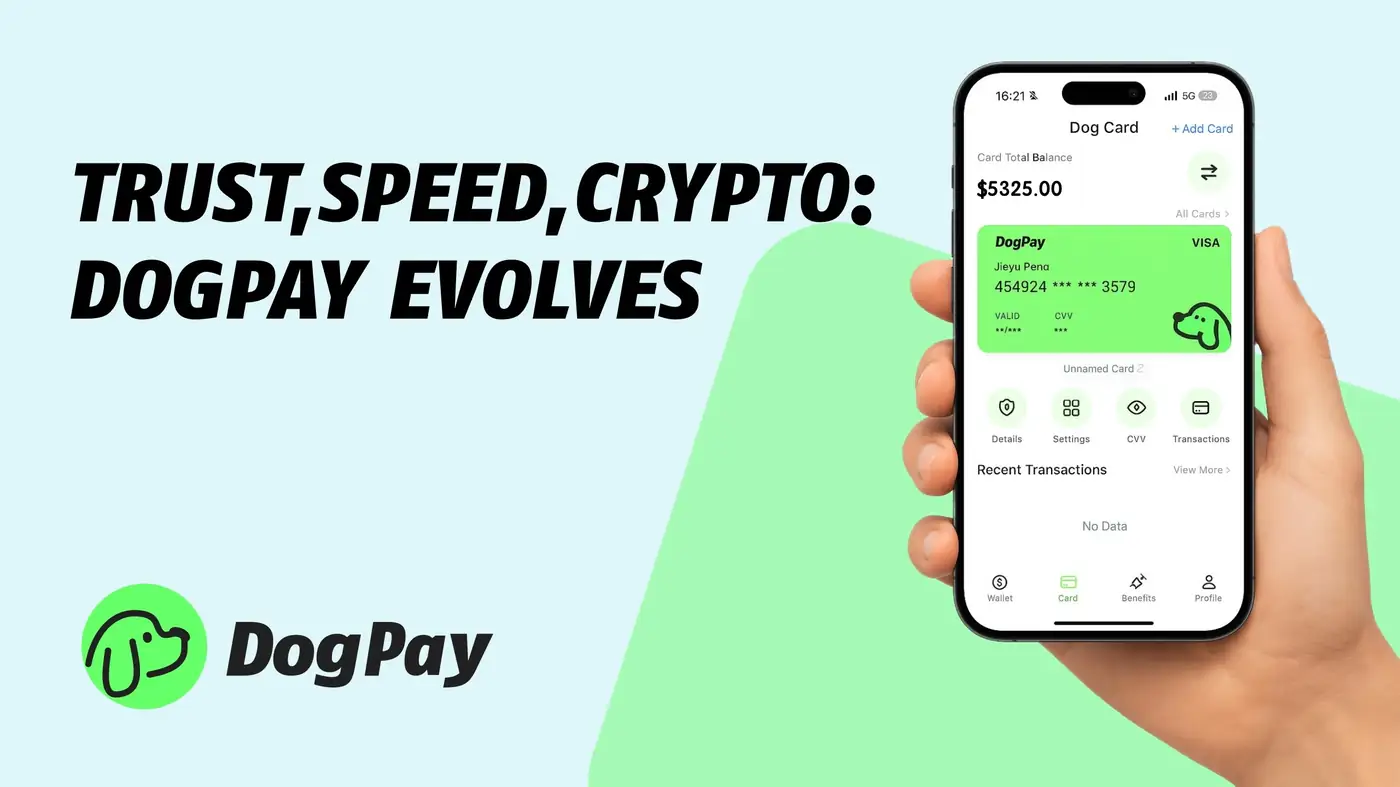
An international merchant card decline often happens because of cross-border risk checks, currency mismatch, or issuer limits. Businesses can respond by changing the payment rail, not just retrying the same card. DogPay can help teams create dedicated virtual cards for specific vendors, regions, or budgets, so a decline on one card does not block other payments.
A practical workflow: confirm the decline reason with the merchant, then assign a DogPay virtual card to that supplier. Fund the card from a DogPay global account or stablecoin settlement balance, and set spend controls that match the invoice. Keep the card dedicated to that merchant so future charges are easier to review. If the merchant requires local currency, use the DogPay account structure to reduce avoidable cross-border friction.
DogPay also supports wallet and payment infrastructure use cases, giving finance teams a clearer view of card status, balances, and payment operations. This can help with reconciliation and follow-up when a merchant declines a card.
No provider can promise approval or acceptance at every merchant. Treat DogPay as a flexible payment operations layer for virtual cards, global accounts, stablecoin settlement, and spend visibility. Test small payments first, keep backup cards ready, and document each decline so your team can adjust limits, currencies, or card assignment before the next billing cycle.