DogPayCard
Cloud services often come with recurring invoices from providers like AWS, Azure, or Google Cloud. For businesses, managing these payments can be tricky due to varying billing cycles, currency conversions, and the need to keep services running smoothly. Using DogPay as a payment method for cloud billing can bring more control and flexibility.
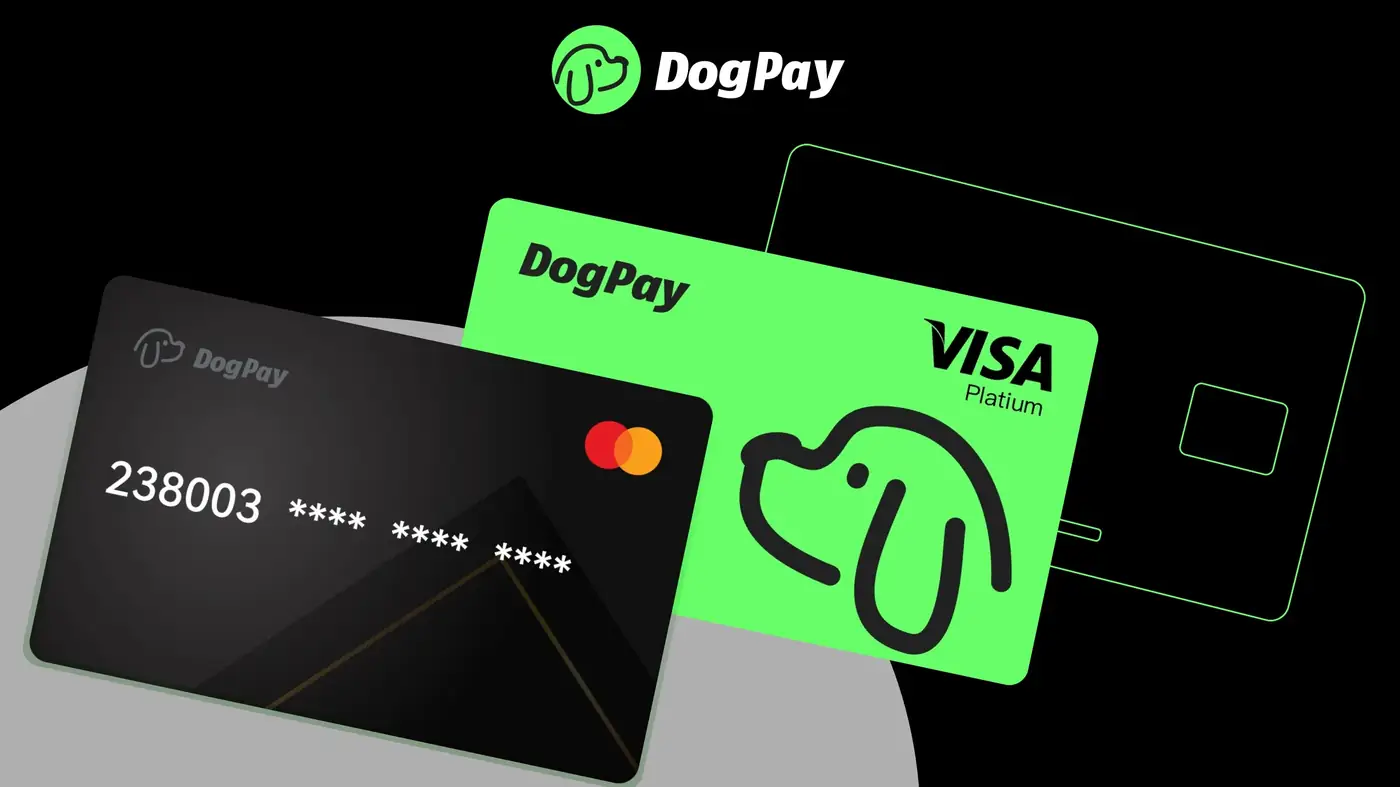
First, you can use DogPay virtual cards to pay for cloud subscriptions. These cards are dedicated to specific vendors, so you can track spending per provider without mixing it with other expenses. This makes it easier to allocate budgets and spot unusual charges.
Second, DogPay supports global accounts and stablecoin settlement, which can help when your cloud provider bills in a different currency. Instead of dealing with high conversion fees, you can settle payments in a stablecoin, potentially reducing cross-border costs.
To set up DogPay for cloud billing, you would typically create a virtual card, fund it via your global account, and then enter the card details in your cloud provider's billing dashboard. If a payment fails due to insufficient funds, you can quickly top up the card from your DogPay account—though automatic top-ups are not guaranteed, so manual monitoring may be needed.
DogPay also offers spend visibility, allowing you to see all cloud-related transactions in one place. This helps in forecasting and managing subscription renewals.
In summary, DogPay can help businesses manage cloud billing by providing dedicated cards, global accounts, stablecoin settlement, and spend visibility. It fits into your payment workflow as a flexible payment layer, giving you more control over cloud costs and reducing friction in recurring transactions.