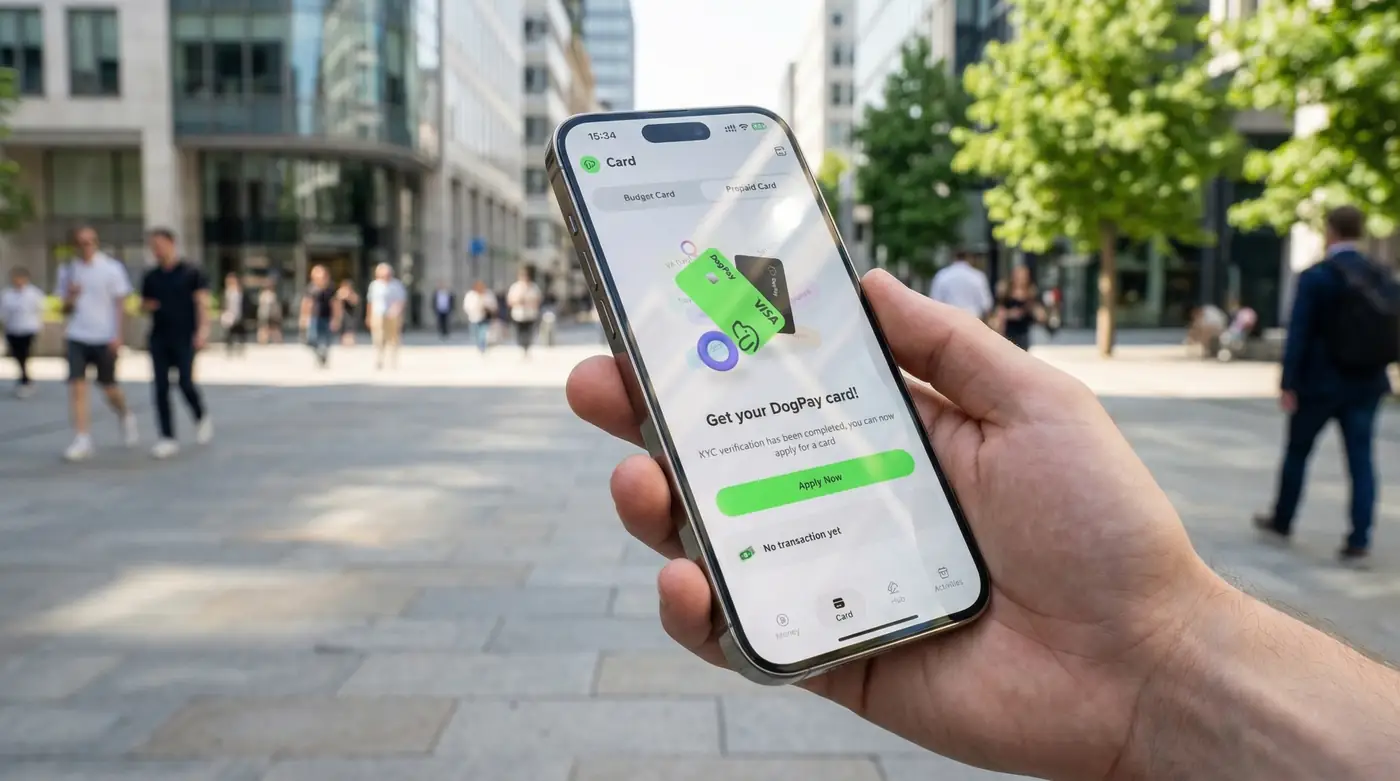
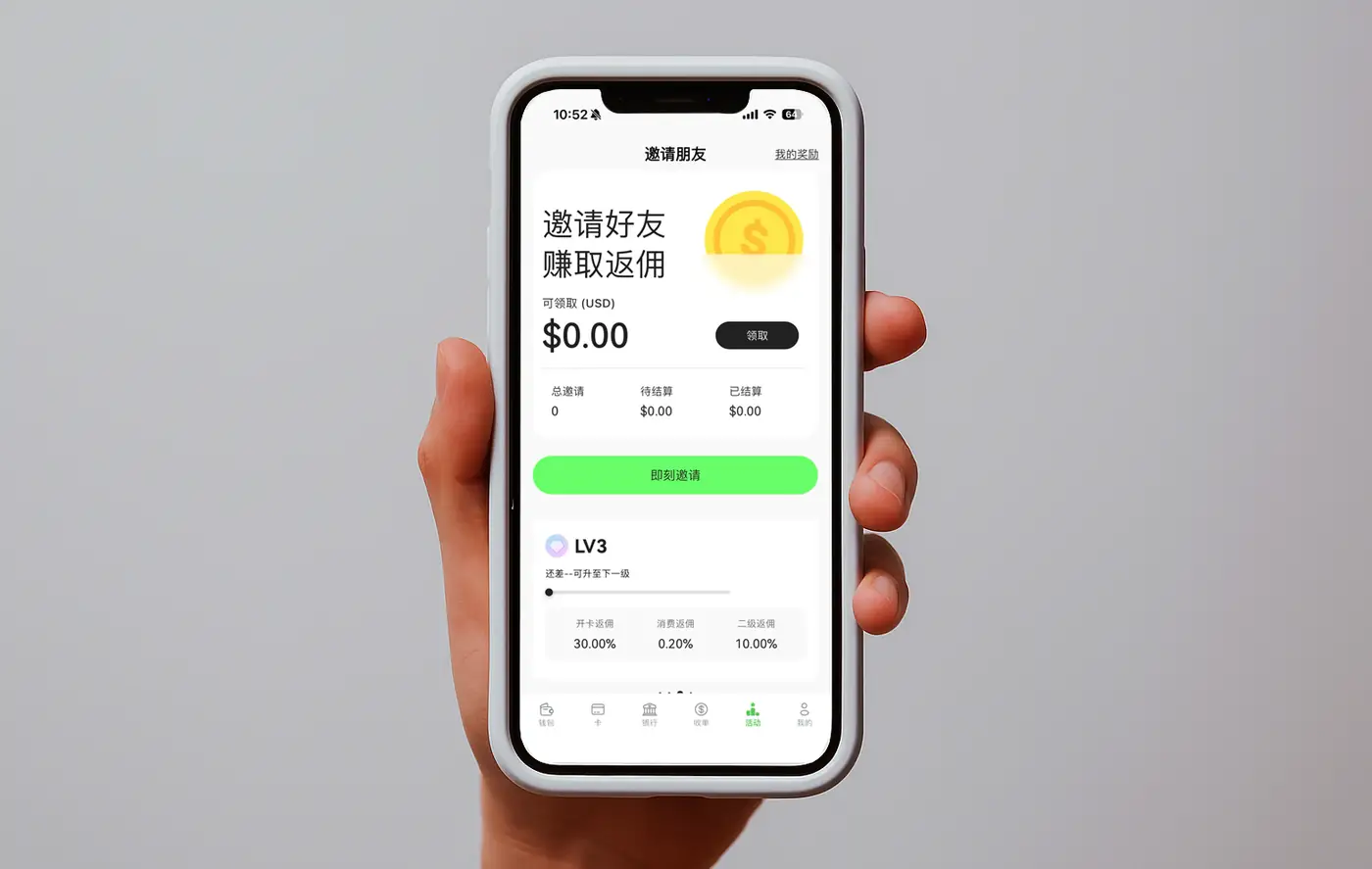
Businesses often wonder whether DogPay virtual cards or prepaid cards better suit their spend control needs. Both offer distinct advantages depending on use case. Virtual cards are generated instantly for online purchases, subscriptions, and ad platforms. They provide unique card numbers per transaction or vendor, limiting exposure and simplifying reconciliation. Prepaid cards, on the other hand, are physical cards loaded with funds for in-person expenses, such as travel or team purchases. With DogPay, businesses can issue both types through a unified dashboard, setting spending limits and tracking transactions in real time. For recurring cloud services, virtual cards help manage billing without exposing primary accounts. For field teams, prepaid cards offer offline payment flexibility. DogPay works with global accounts and stablecoin settlement, enabling cross-border payments without traditional banking delays. Combining both card types lets businesses tailor controls and maintain visibility over all outflows. Ultimately, the choice depends on where your team spends: online or offline. DogPay supports a balanced approach with dedicated cards, wallet infrastructure, and spend analytics. By using DogPay, businesses can streamline payment operations—issuing virtual cards for digital vendors and prepaid cards for physical expenses—while retaining full oversight and settlement in stablecoins or fiat. This flexible system helps reduce fraud risk and improve cash flow management.
Virtual Cards / 5 min read
How Should Your Business Choose Between DogPay Virtual Card and Prepaid Card?
Compare DogPay virtual card vs prepaid card for business spend. Learn when to use each, how they control costs, and which fits your payment workflows.

DogPayCard Editorial